Stories about real coins and their value
From the gold staters of the Dacians to today's digital money — articles about the history, symbols and value of the coins that inspired KOSR.
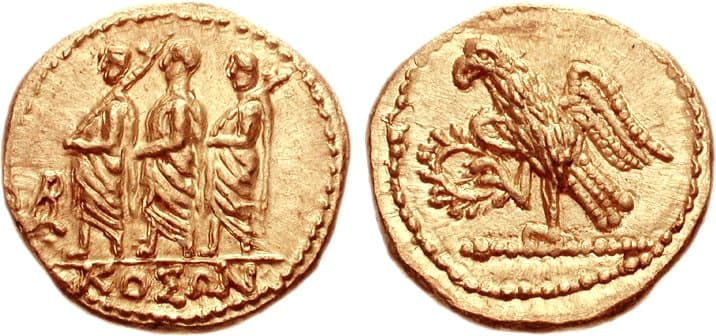
Koson — the gold of the Dacians and the coin that inspired KOSR
The first gold coin minted on the territory of present-day Romania. The story of the Koson stater, the ΚΟΣΩΝ inscription and the eagle watching over its reverse.
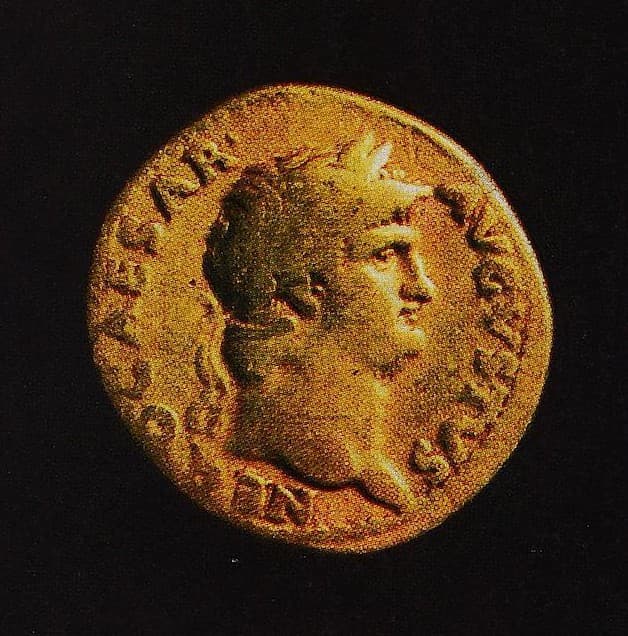
What actually gives a coin its value?
Gold, trust, scarcity or law? A short journey from gold staters to digital money — and why KOSR has value only inside the educational game.
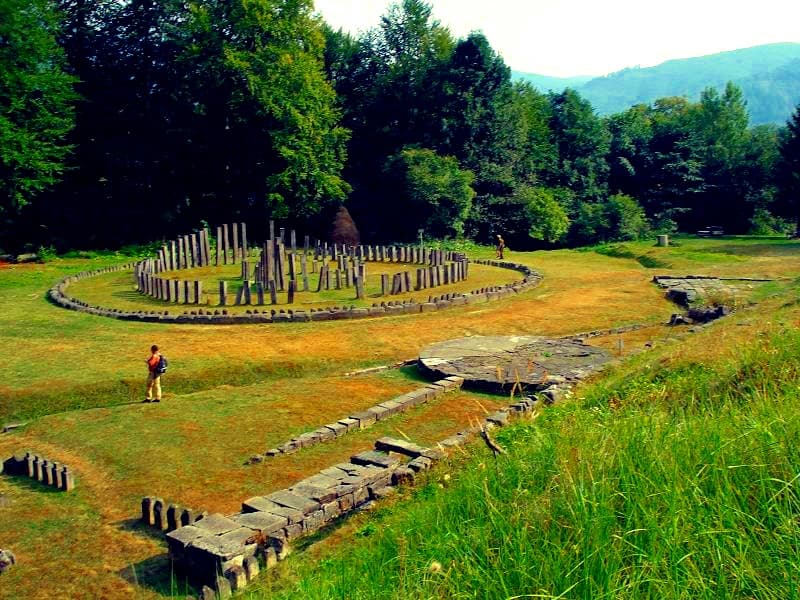
The treasures of the Orăștie Mountains
Beneath the Dacian fortresses, thousands of gold coins lay hidden. The story of the hoards found — and looted — from the heart of Decebalus' former kingdom.
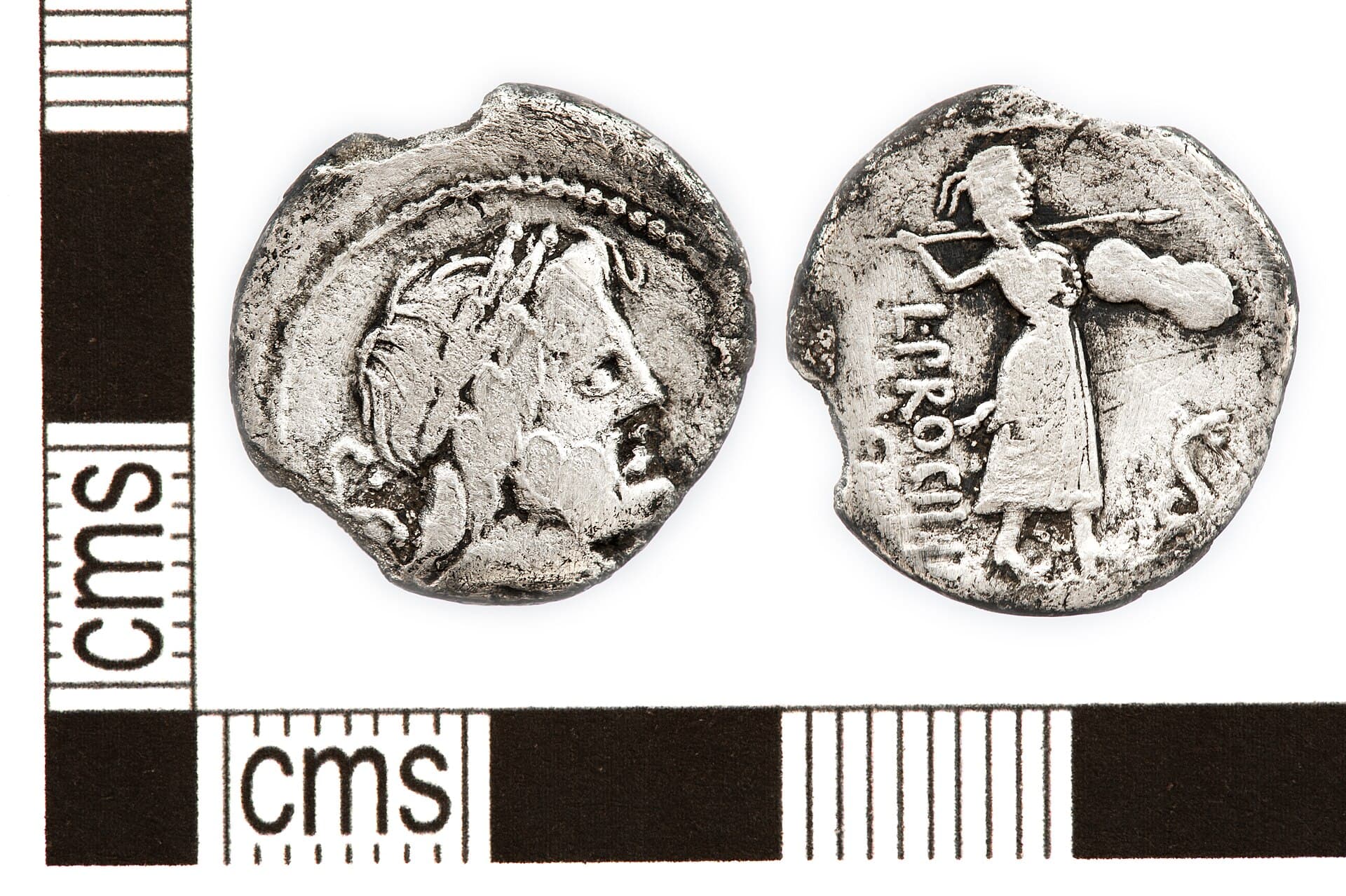
The Roman denarius — the coin that held an empire together
For nearly 500 years, one silver coin paid legions, roads and bread. The story of the denarius — and history's first great lesson in inflation.
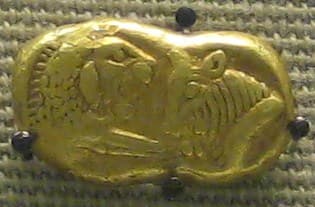
The first coin in history — the gold of King Croesus
In ancient Lydia an idea was born that changed the world: a piece of metal whose value is guaranteed by the state. This is where "rich as Croesus" comes from.
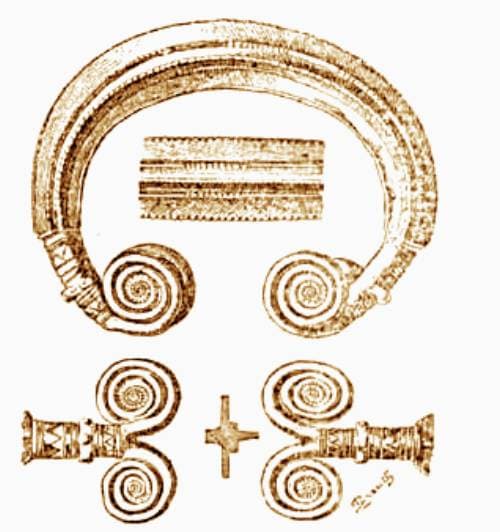
The Dacian gold bracelets — the treasure that came home
Heavy gold spirals, hidden in the Orăștie Mountains and stolen after 2,000 years. The story of their recovery is one of the greatest victories of Romanian heritage.
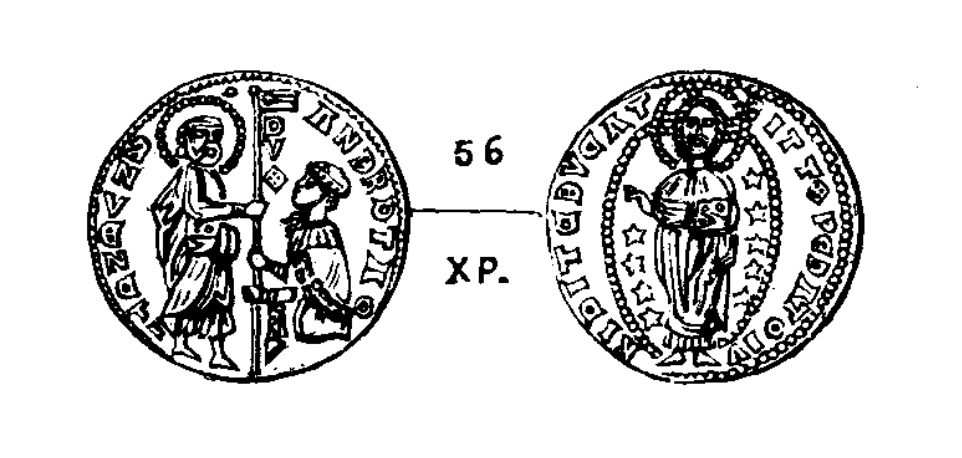
The gold ducat — the euro of the Middle Ages
Minted in Venice for 500 years without changing its weight, the ducat was the coin trusted by merchants across Europe. A lesson in stability.
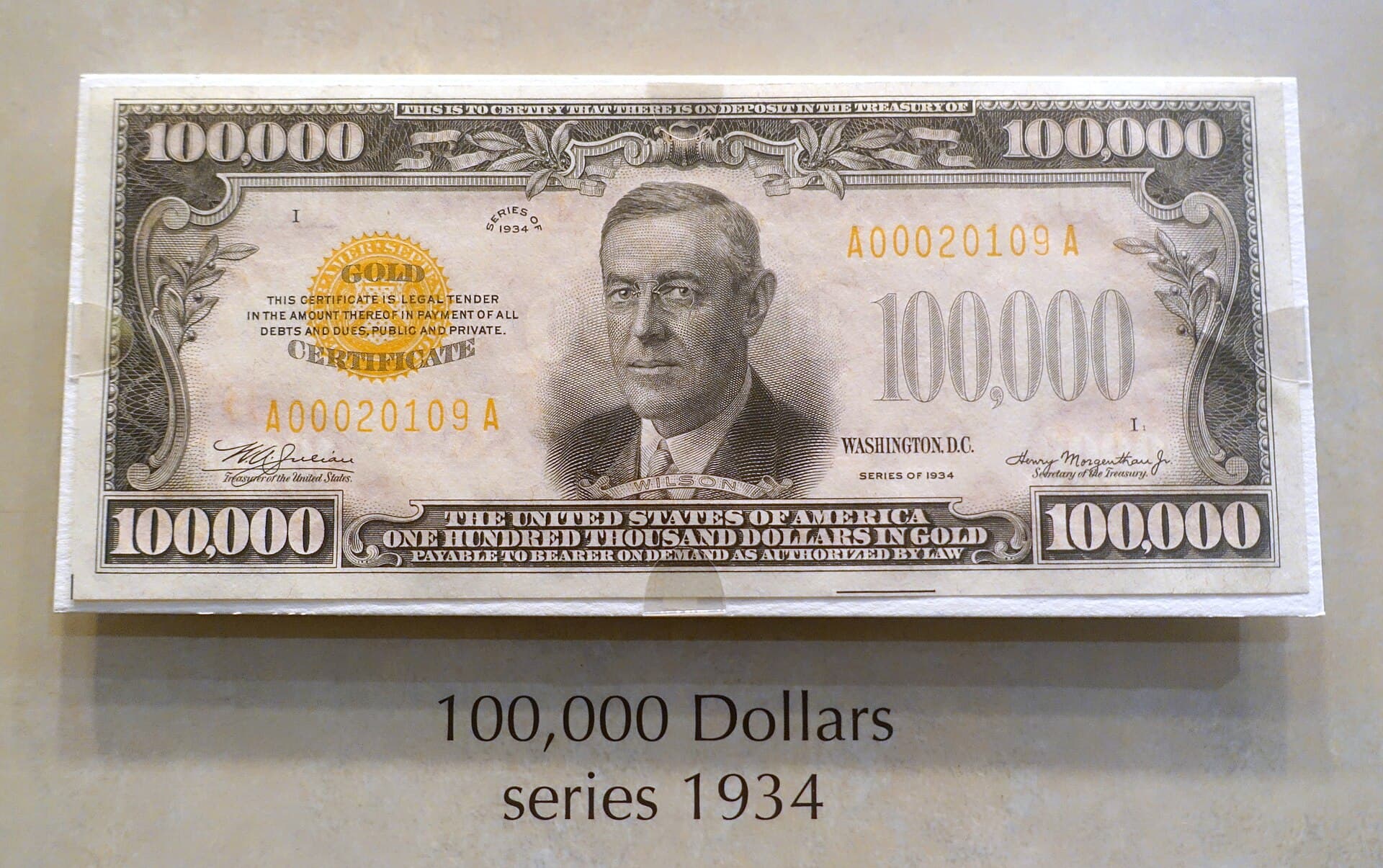
From gold to digital money — how money let go of metal
The gold standard, paper money, cards and, finally, numbers in an app. A short history of how money gradually became pure trust.
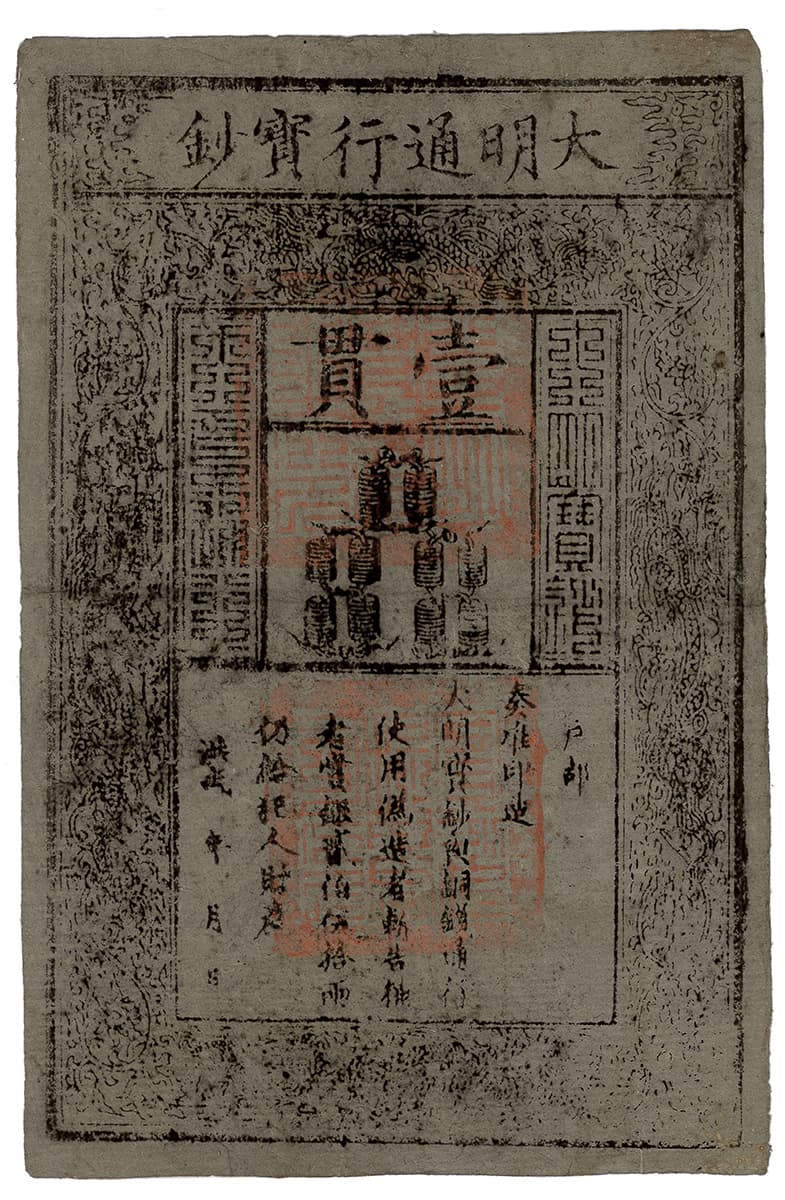
The first paper money — the invention that stunned Europe
Almost 1,000 years before European banks, the Chinese paid with paper. Marco Polo could not believe his eyes. The story of the first money with no value in itself.
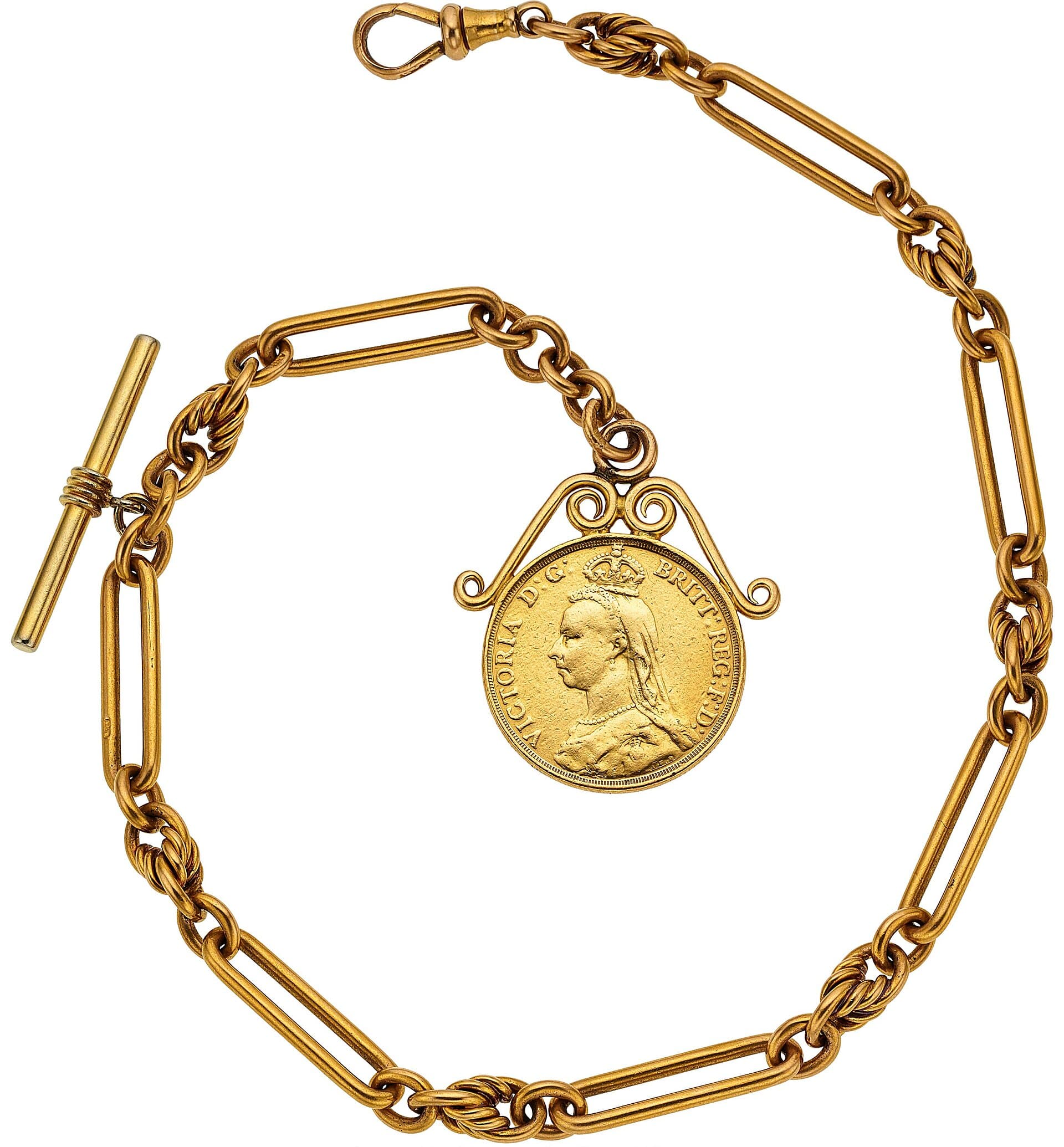
Pound sterling — a pound of silver, literally
The oldest currency still in use. Its name says exactly what it was made of a thousand years ago — and why weight was the first form of trust.
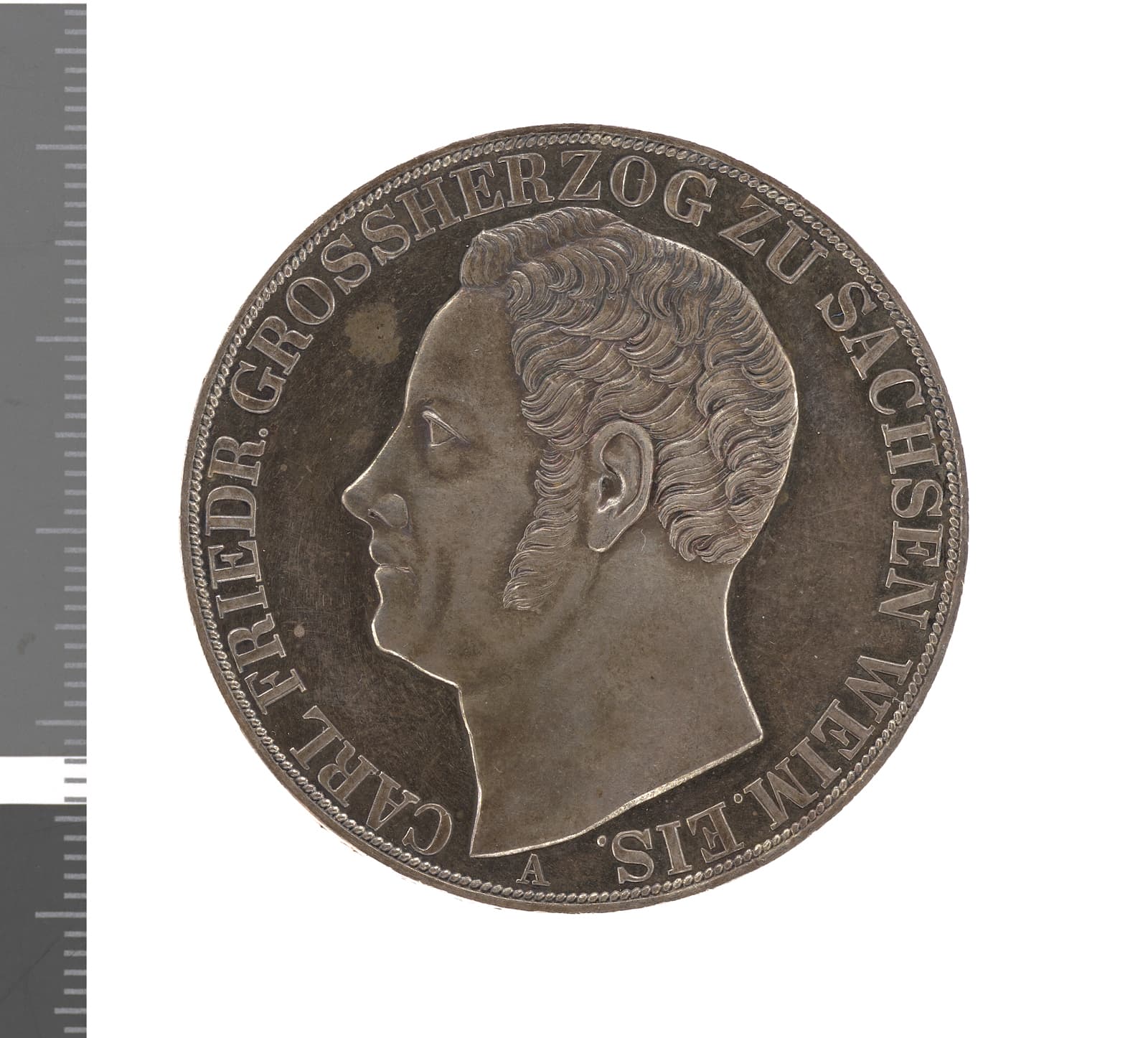
The thaler — the coin that gave the dollar its name
The most famous currency in the world traces its name to a valley in Bohemia. How "thaler" became "dollar".
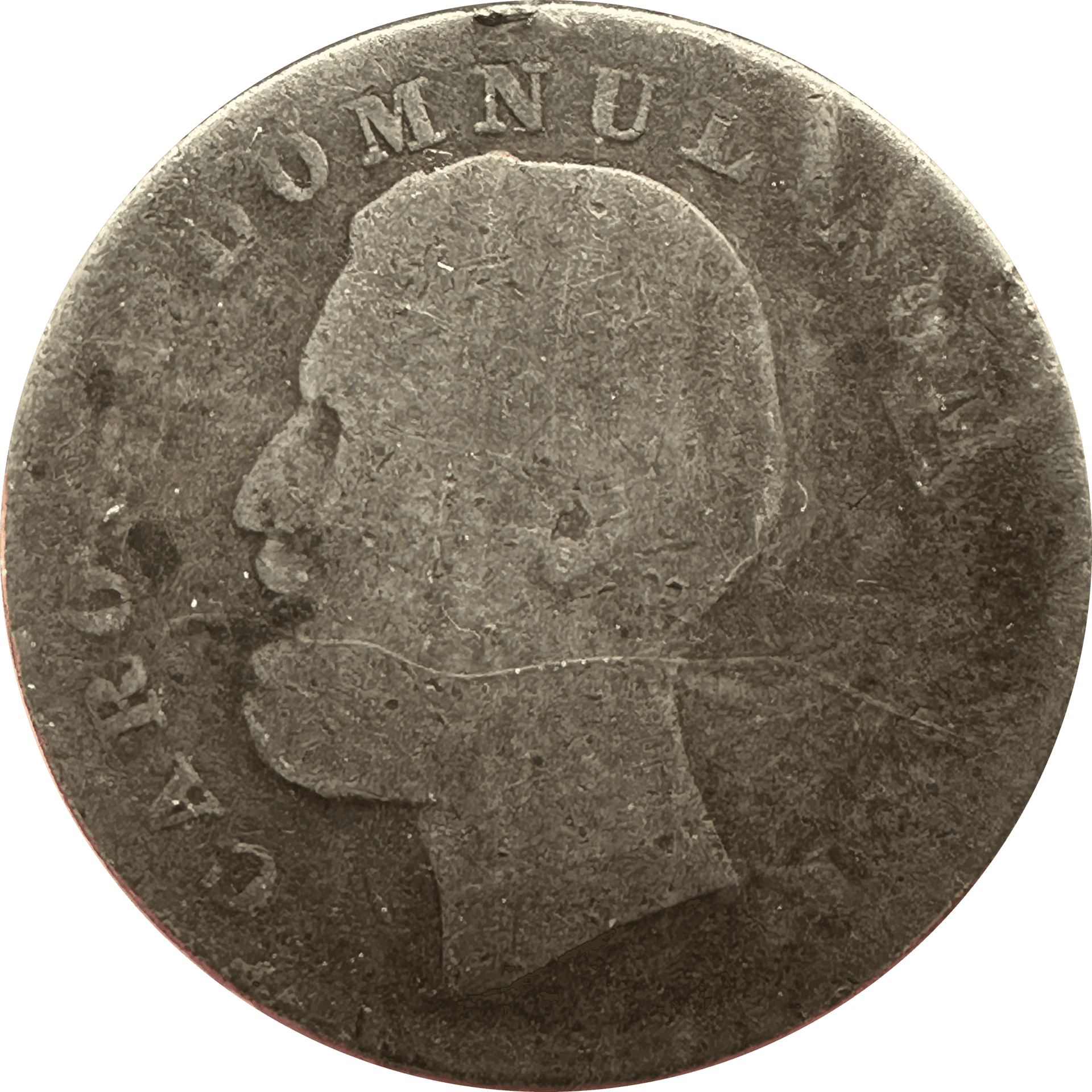
The Romanian leu — why it's called a "lion"
Our currency is named after a Dutch thaler with a lion on it. A short history of the leu, from foreign coins to national money.
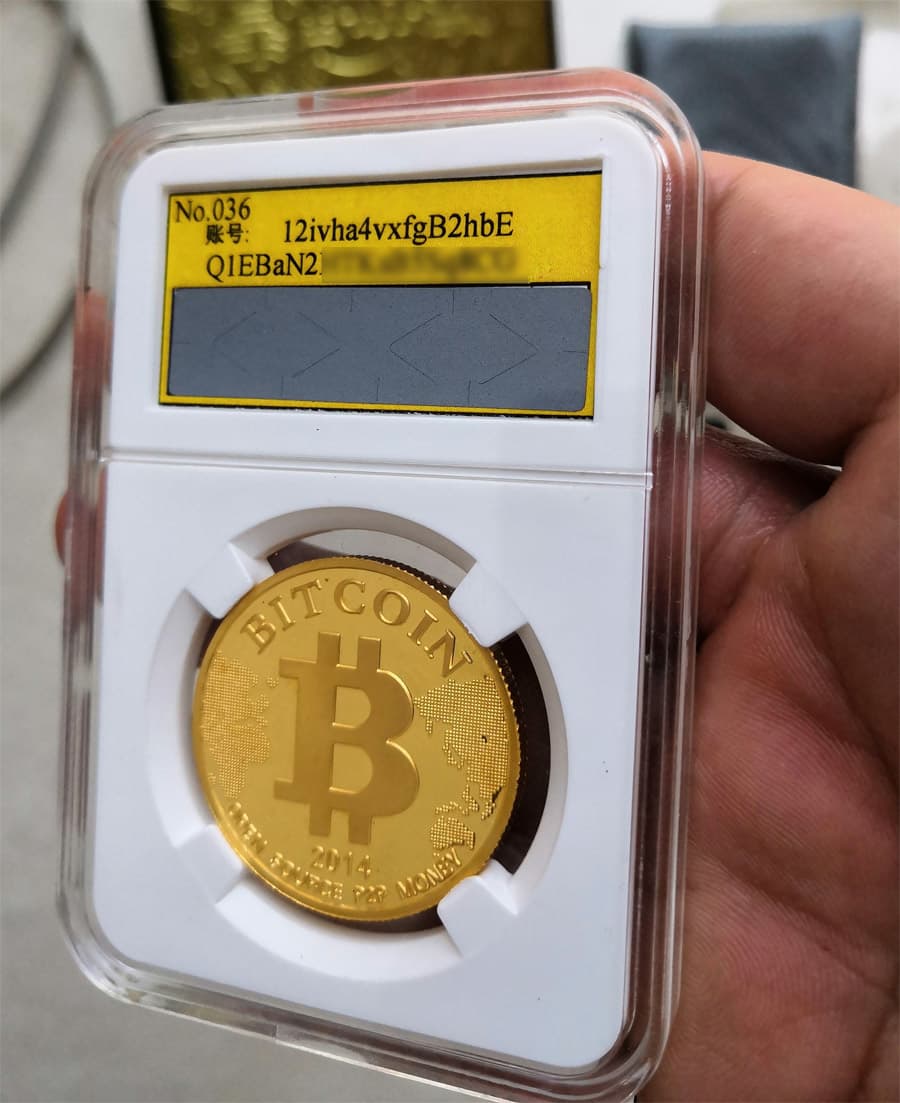
Bitcoin vs gold — scarcity, from mine to mathematics
Gold is scarce because it's hard to dig out of the ground. Bitcoin is scarce because the code says so. What scarcity really means — and why KOSR is different from both.
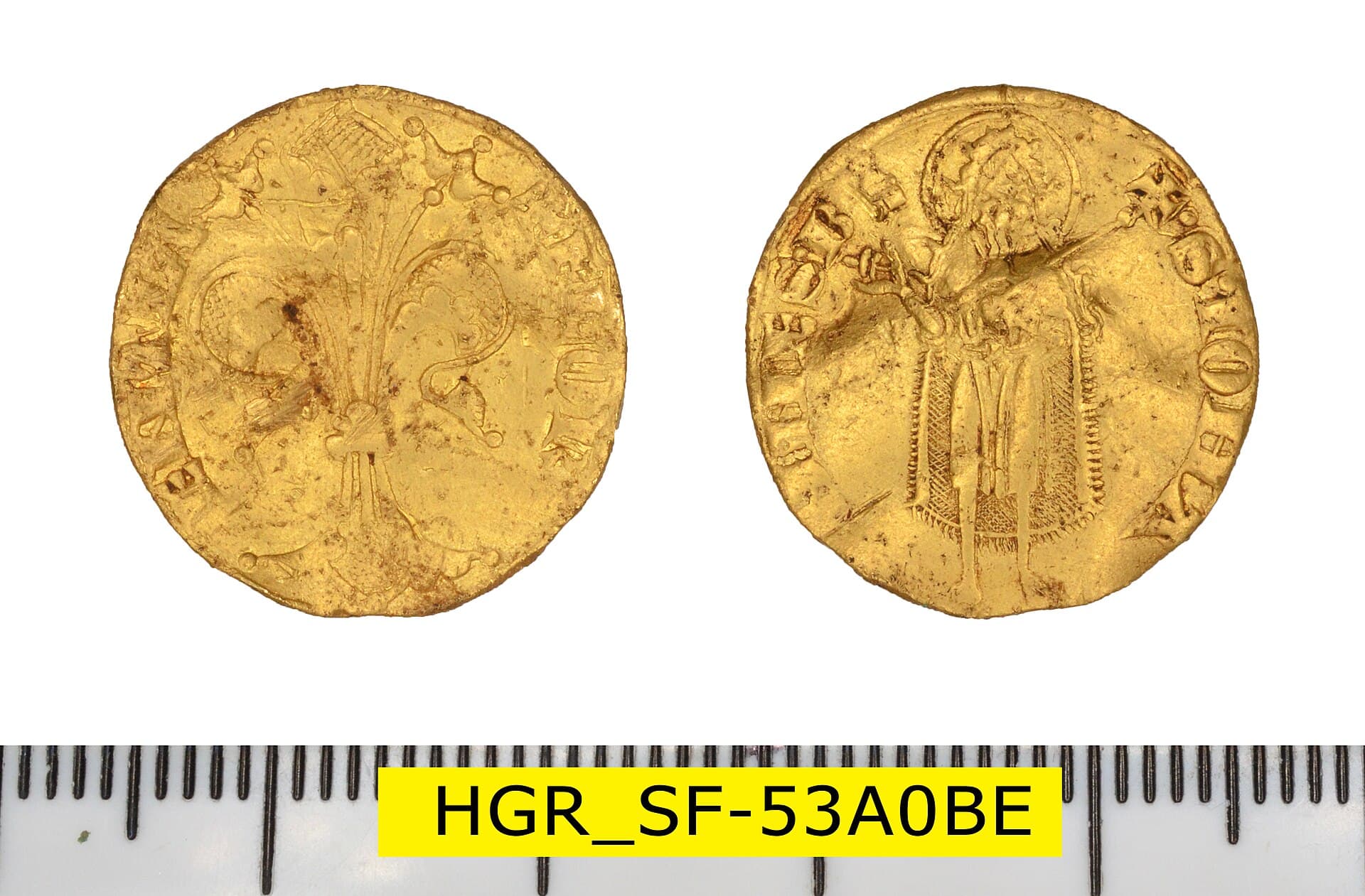
The gold florin — the coin that funded the Renaissance
Minted in Florence in 1252, the florin became Europe's gold standard and enriched the banks that paid for the artists of the Renaissance.
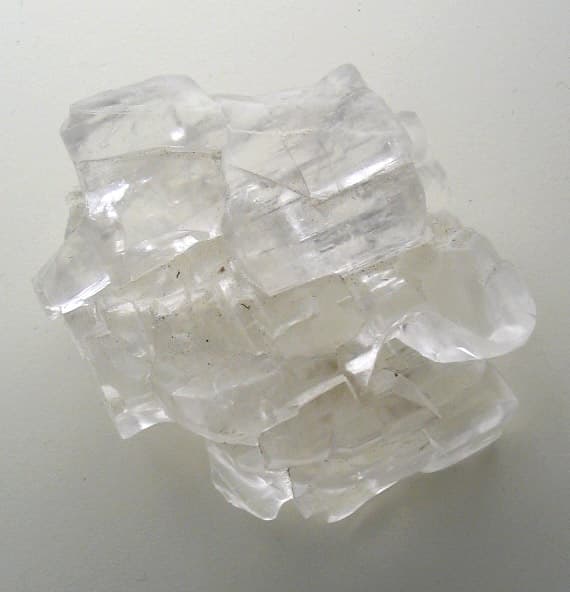
Salt — the money behind the word "salary"
Before coins, people used rare and useful things as money: salt, shells, cattle. Here's where the word "salary" comes from.
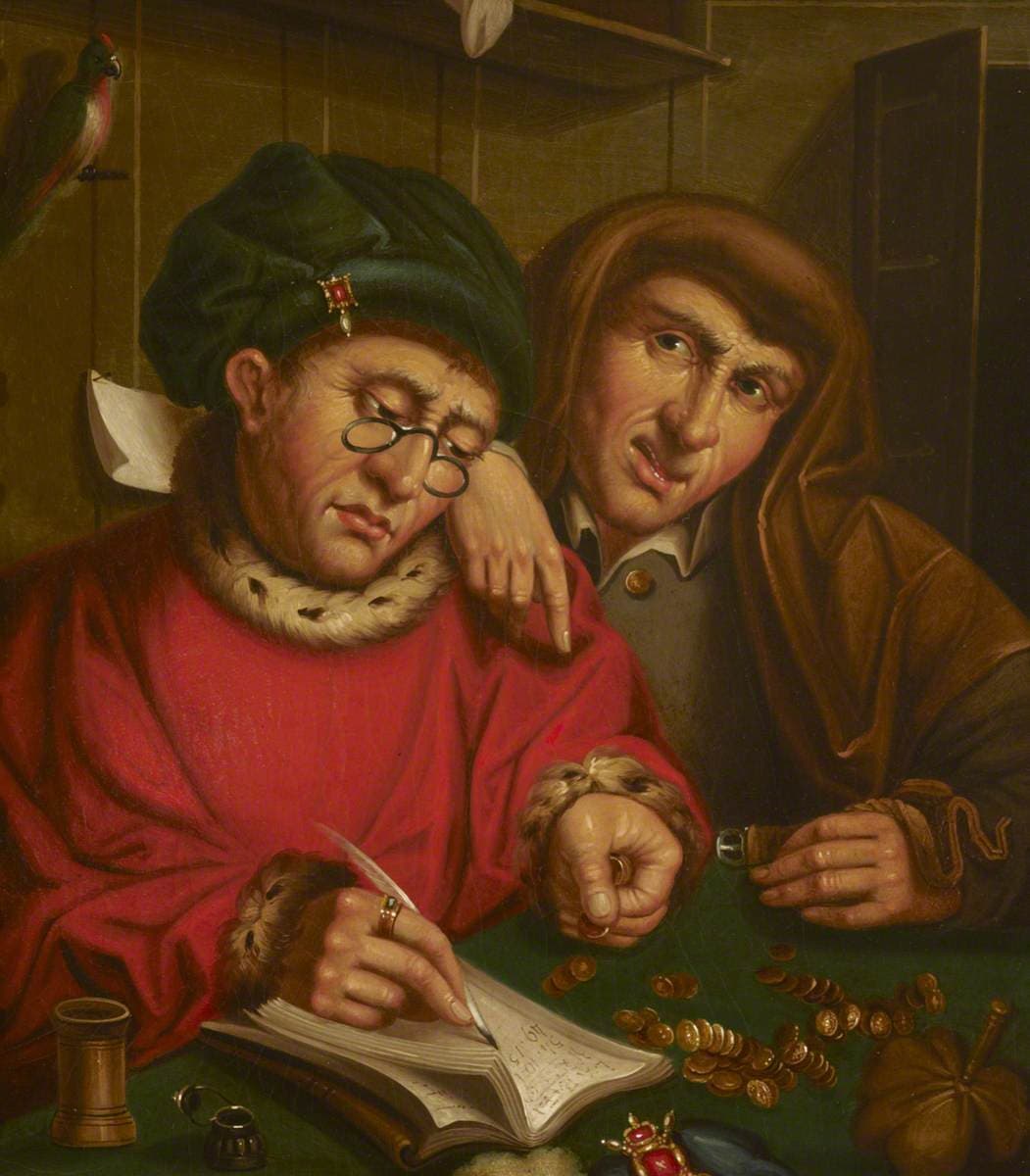
Where the word "bank" comes from — and "bankrupt"
The first bankers worked on a wooden bench in the market square. When they went broke, their bench was broken. Two of today's words preserve the story.
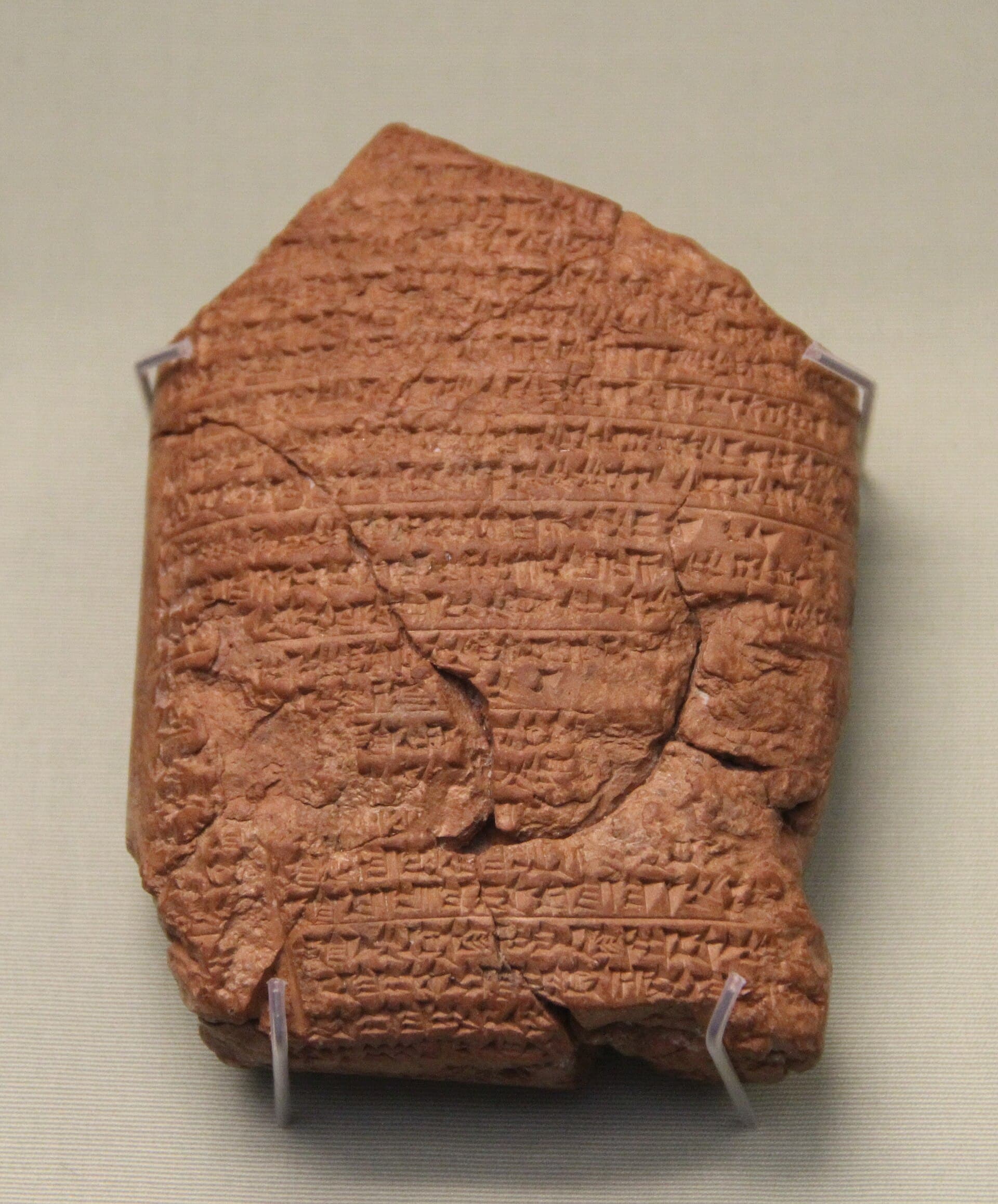
A short history of interest — from grain to APR
Interest is older than coinage. It began with seed that multiplies and became the percentage you see on any loan today.
Romania's treasure in Moscow — the gold that never came home
In World War I, Romania sent its gold to Moscow for safekeeping. A large part never returned. A lesson about trust and risk.
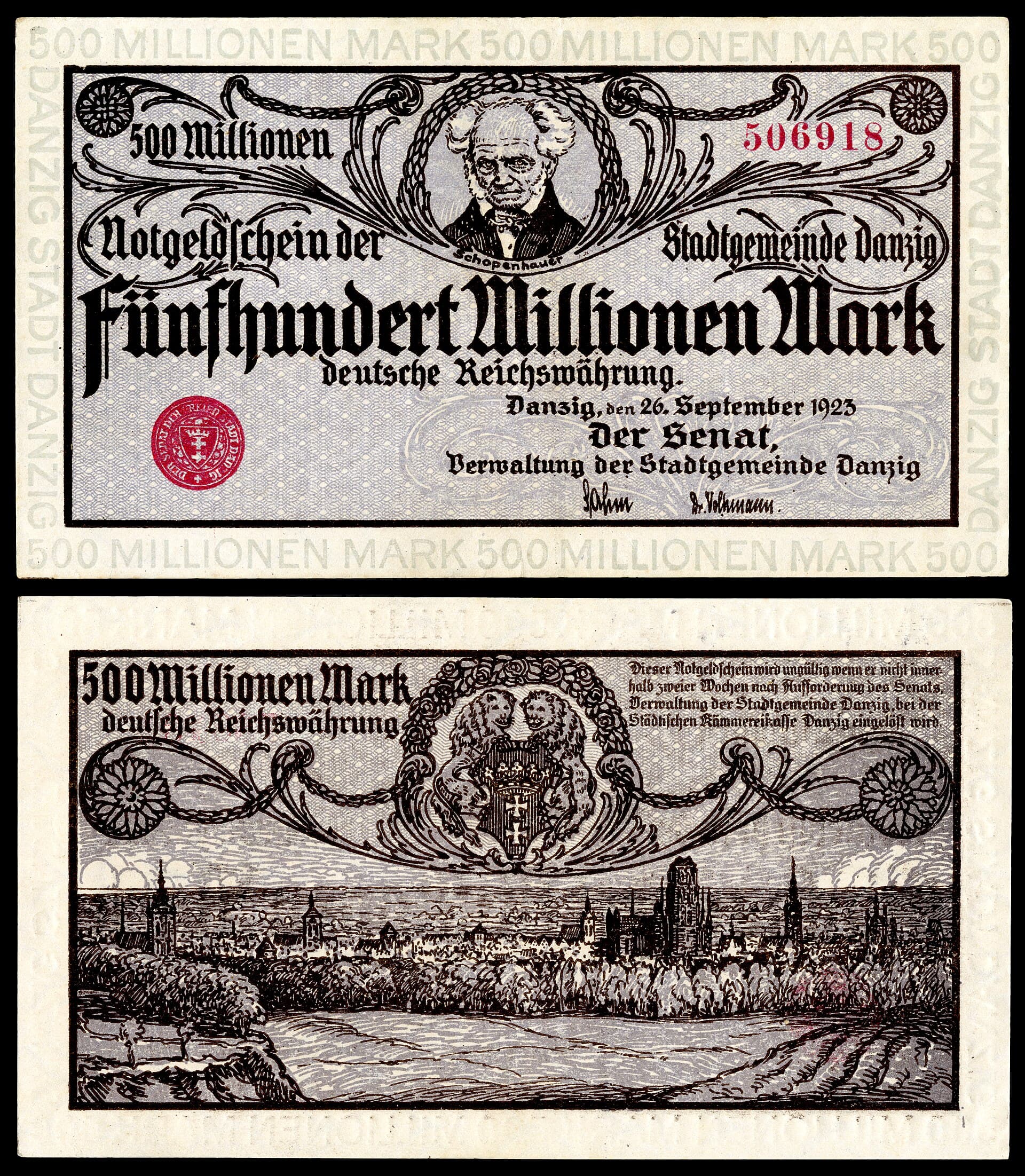
When a loaf of bread cost a billion — German hyperinflation
In 1923 Germany, people carried money in wheelbarrows and burned banknotes in the stove. History's most famous lesson on what happens when you print money without limit.
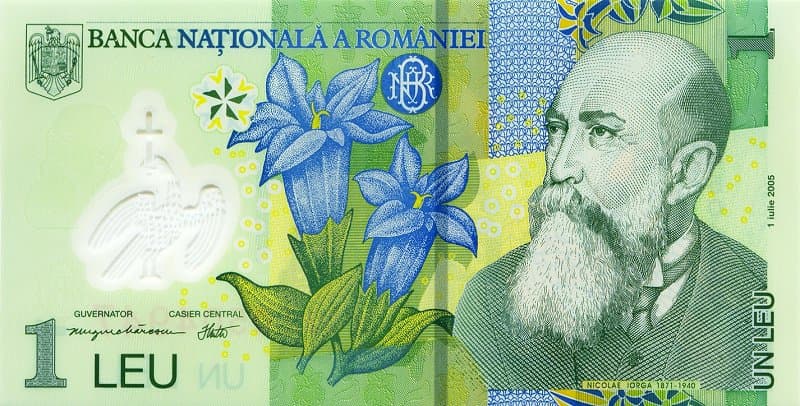
The heavy leu — the day Romania cut four zeros
In 2005, 10,000 old lei became 1 new leu. What a denomination is, why it's done, and what it teaches us about numbers and trust.
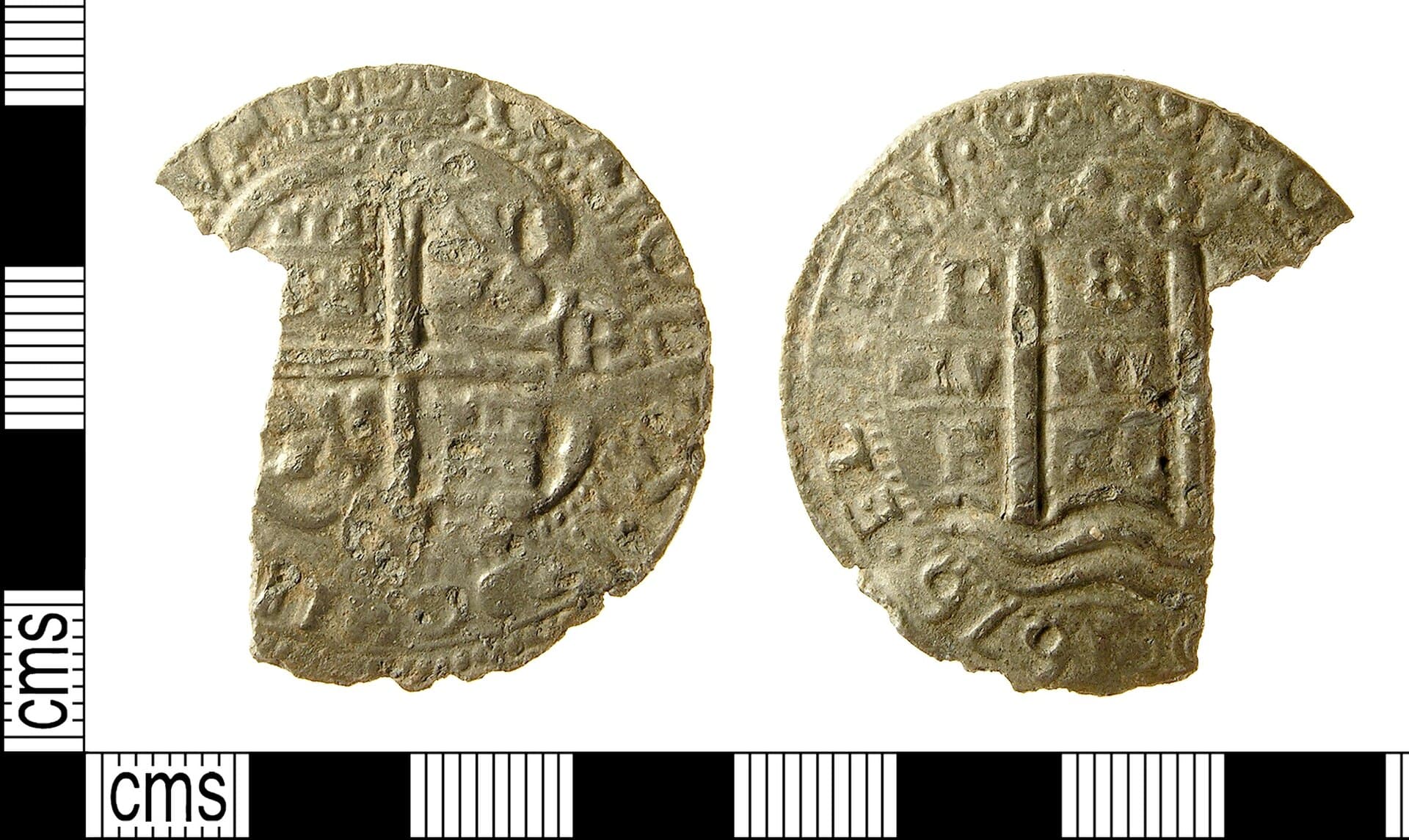
Too much gold — how Spain grew poor from its own riches
In the 16th century, Spain brought mountains of gold and silver from the Americas. The unexpected result: prices exploded across Europe. A counter-intuitive lesson about value.
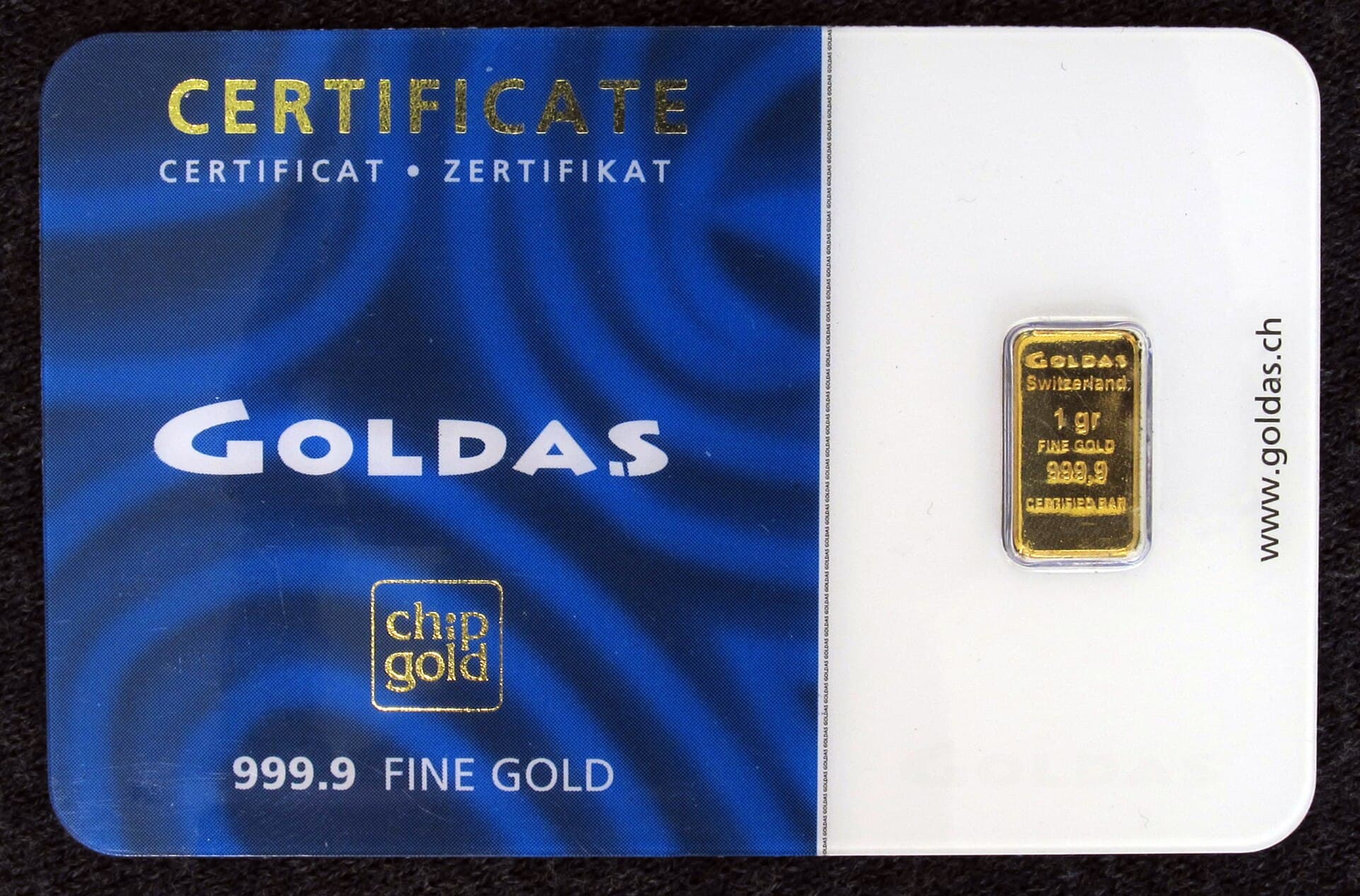
What a reserve is — and why every bank needs one
Central banks keep gold and foreign currency as a "safety net". How a reserve works and why KOSR is built on the same idea.
The galben — the gold that circulated in the Romanian lands
Before our leu, dozens of foreign coins circulated in the Romanian lands: galbeni, thalers, zloty. A world where you had to know the value of each.
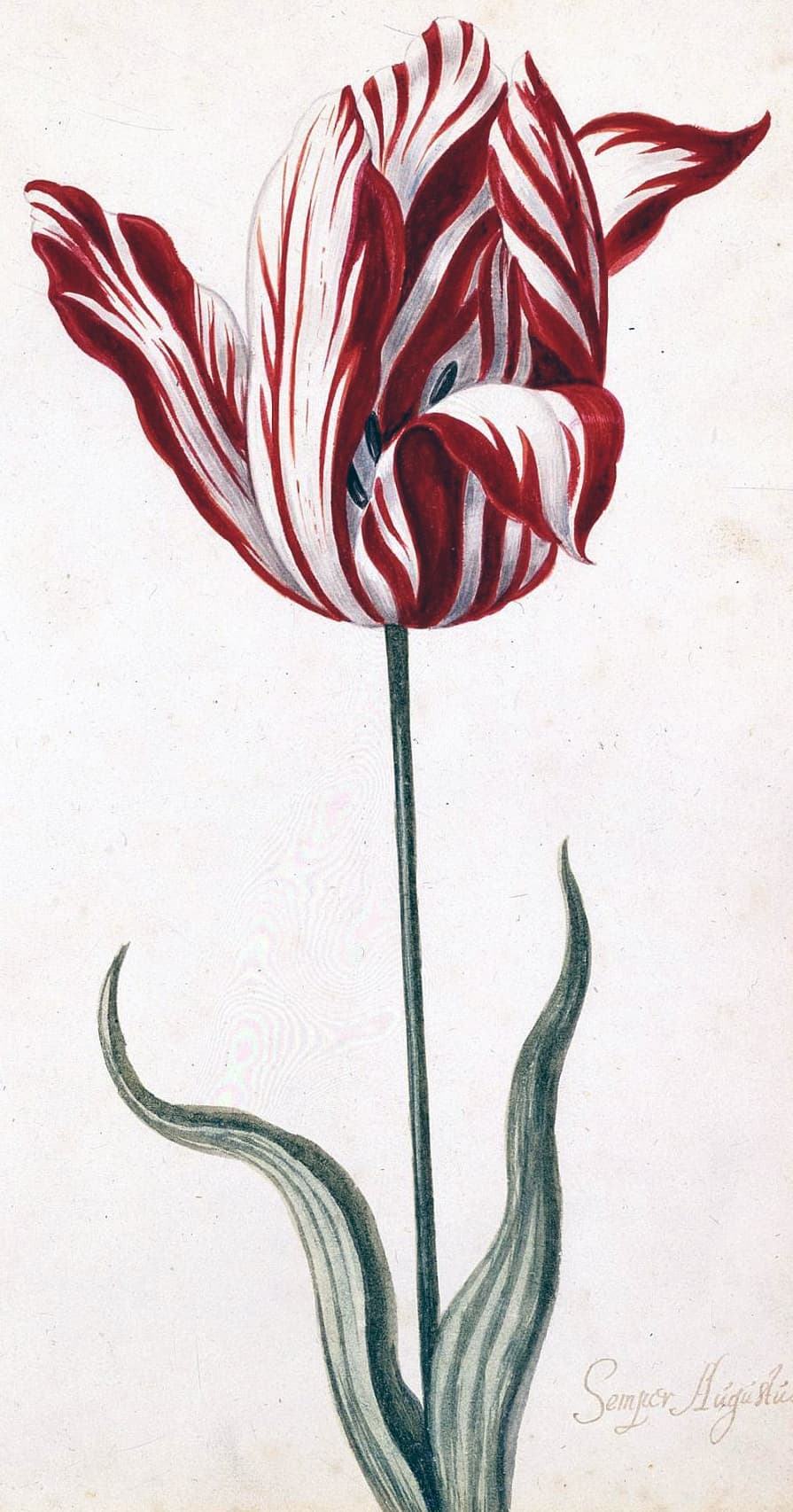
Tulip mania — the first speculative bubble in history
In 17th-century Holland, a tulip bulb came to cost as much as a house. Then it all collapsed in a single day. The oldest lesson about greed and crazy prices.
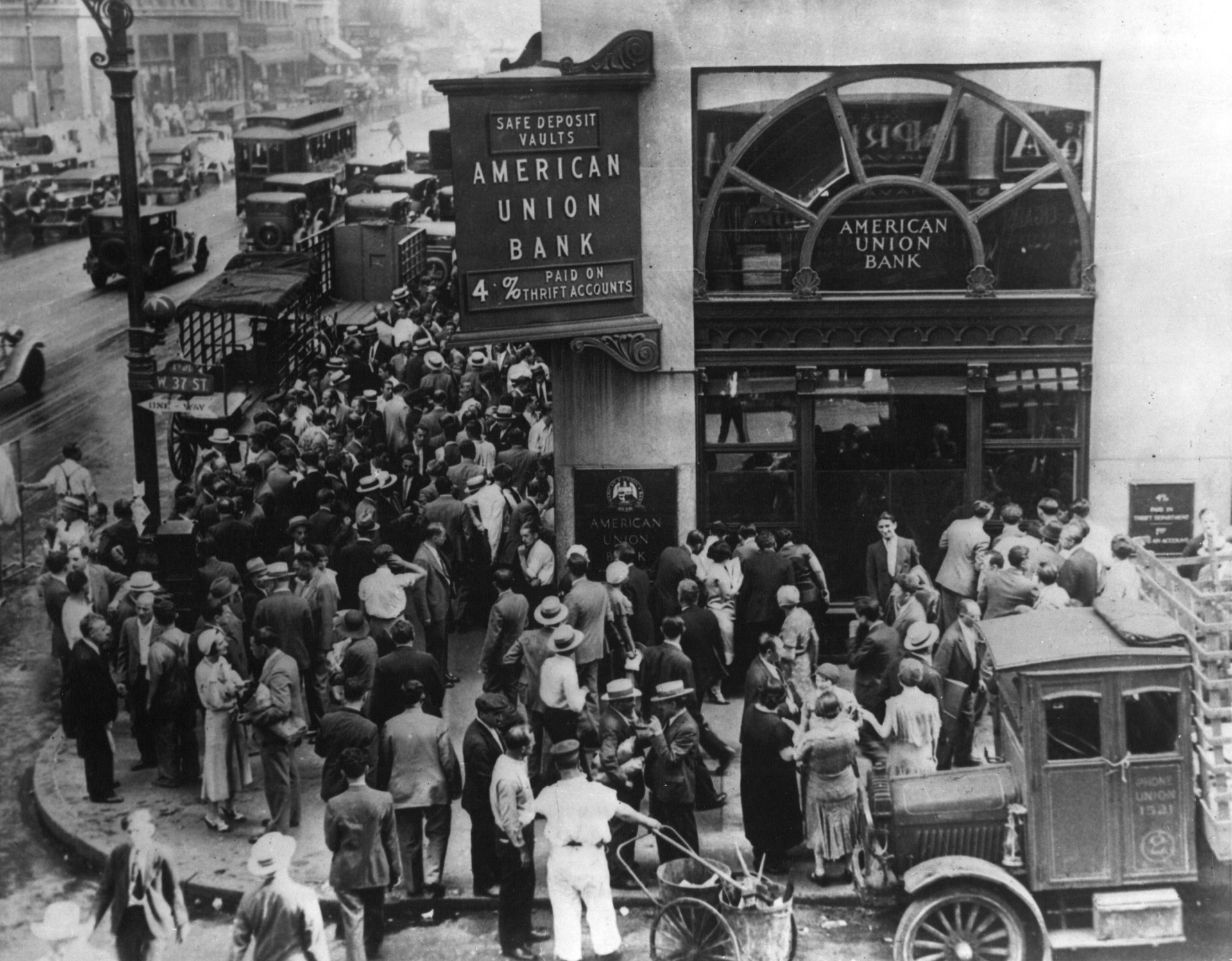
What a bank run is — when everyone wants their money at once
A bank doesn't keep all its clients' money in the vault. Usually that's fine. But when everyone comes to withdraw on the same day, even a healthy bank can collapse.
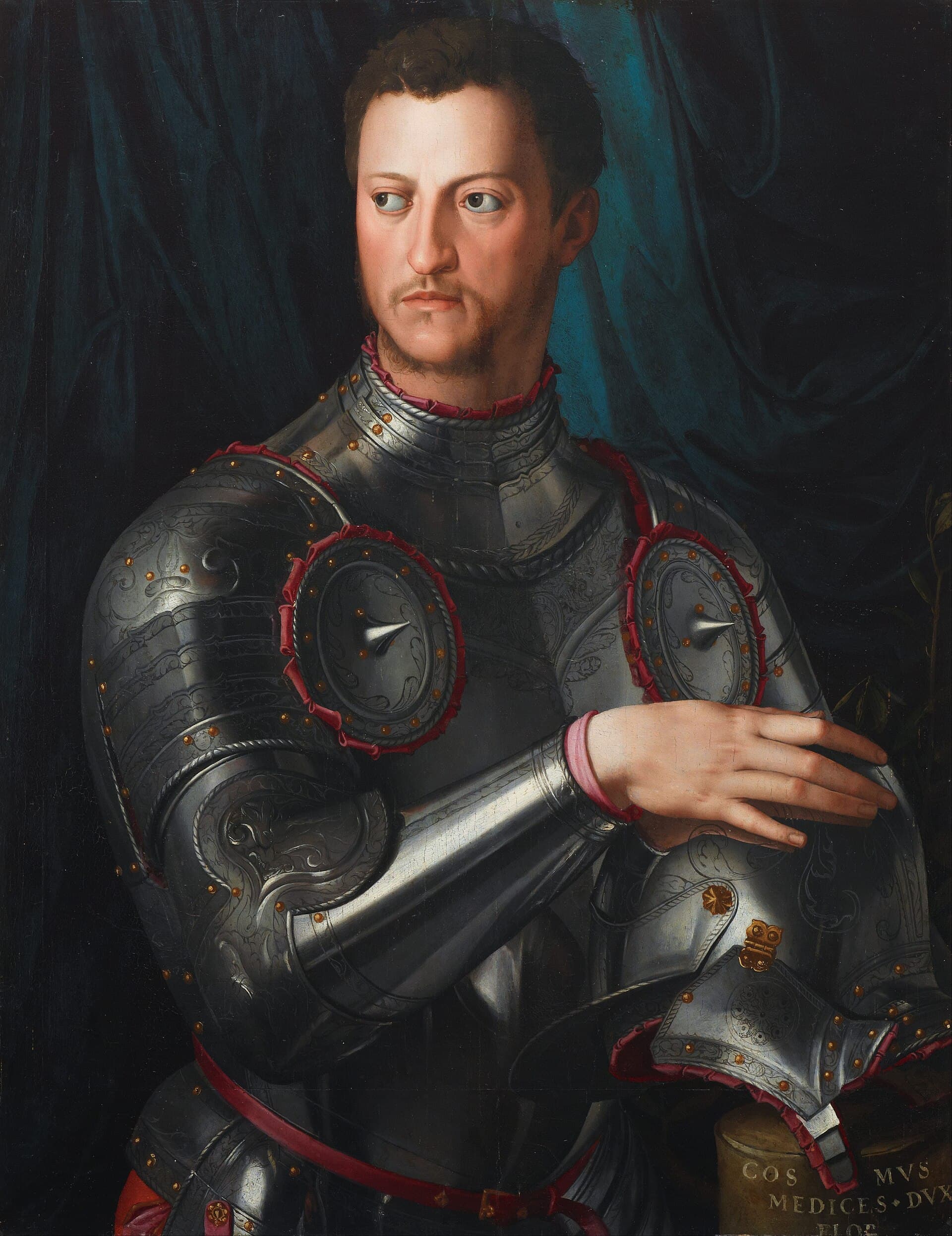
The Medici Bank — the family that invented modern banking
From money changers in Florence, the Medici built Europe's most powerful bank and produced three popes and two queens. How did they do it?
ROBOR, IRCC and variable interest — explained simply
Why can a loan installment rise or fall over time? What are these mysterious indices in the contract? A simple explanation, with examples.
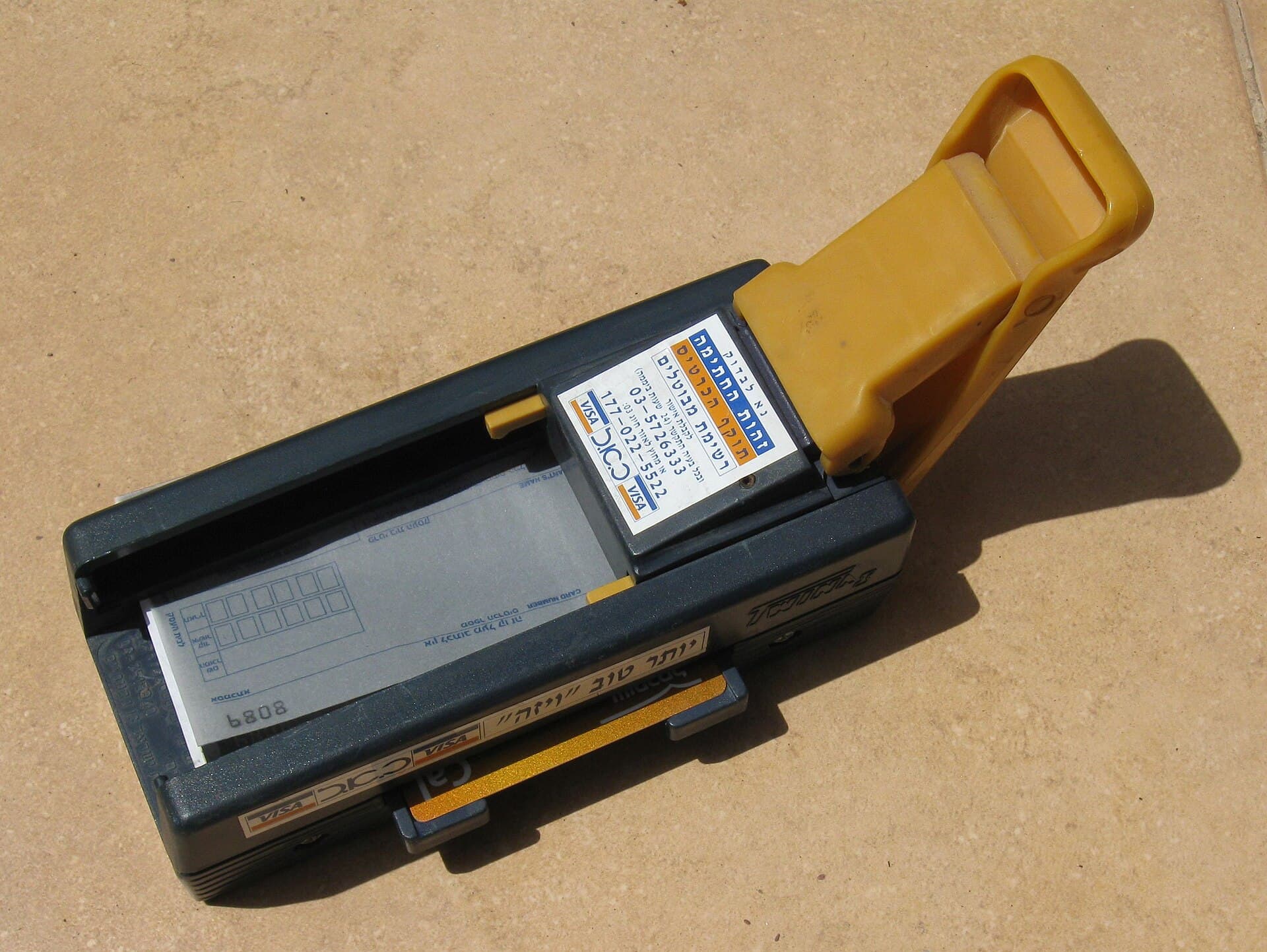
From the cardboard card to paying with your phone
The first "credit card" was a piece of cardboard. In less than a century we got to paying with a watch. A short history of money disappearing from the pocket.
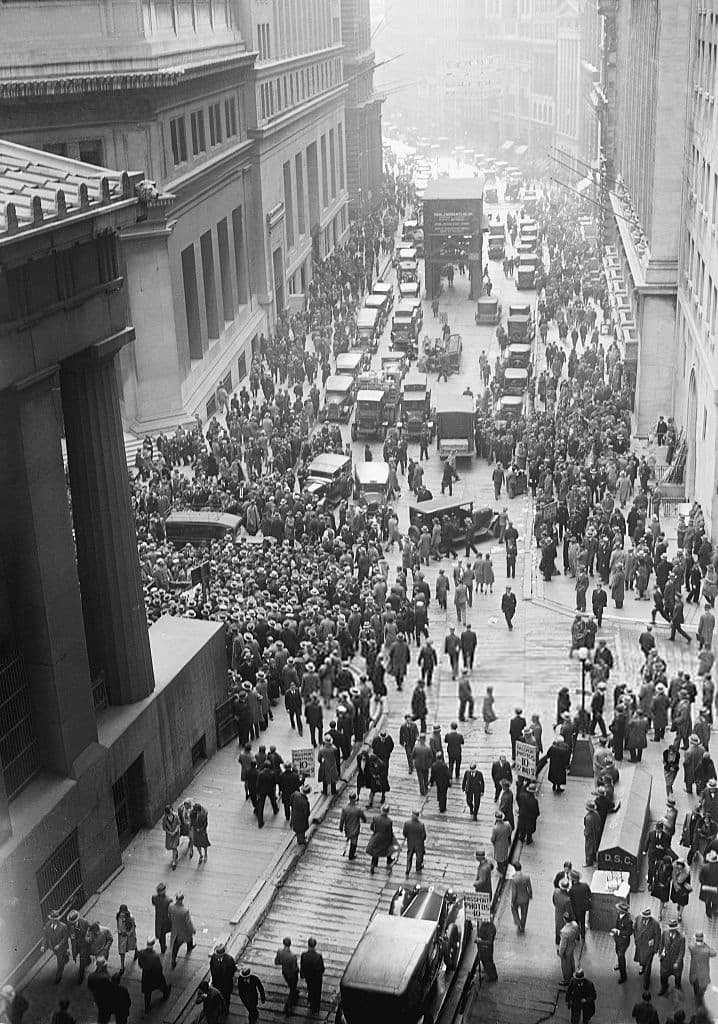
The Great Crash of 1929 — the day the stock market collapsed
Everyone was buying stocks on debt, convinced prices would rise forever. Then, in one week of October 1929, it all collapsed. The start of the Great Depression.
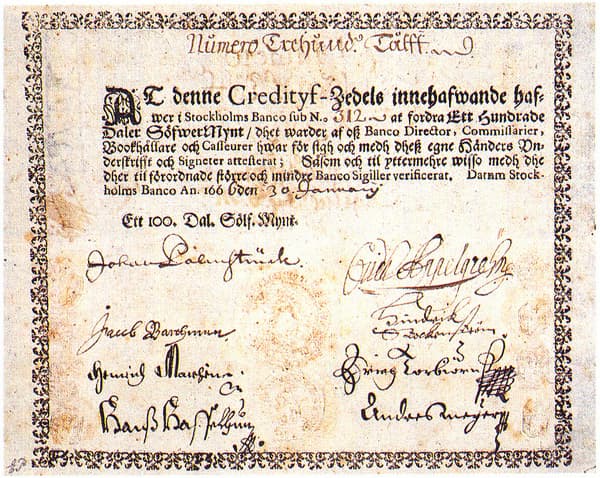
Europe's first banknote — and its first mistake
In 1661, a Swedish bank printed Europe's first banknotes. A few years later, it printed too many and went bankrupt. The lesson has repeated a thousand times since.
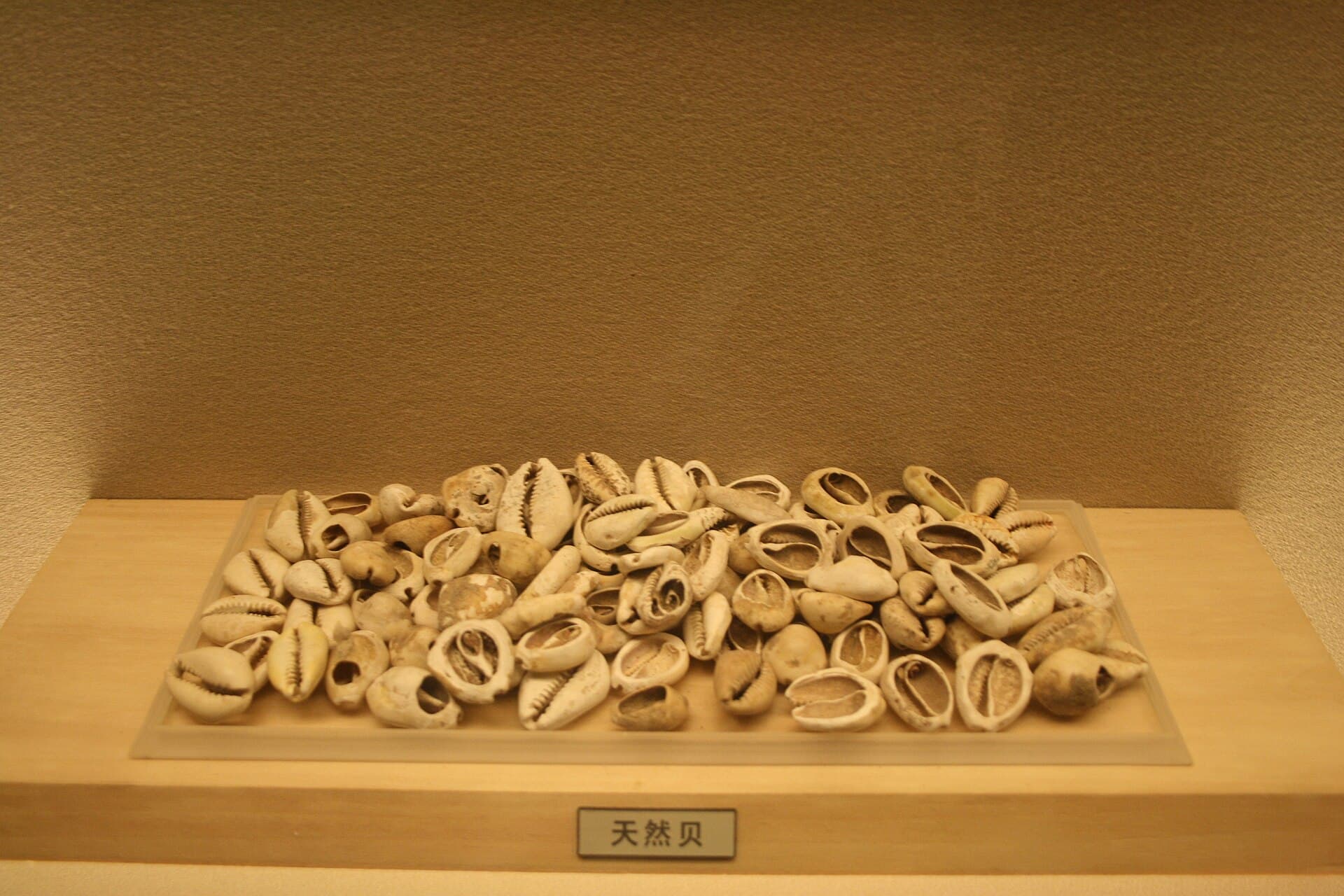
Cowrie shells — the money that conquered half the world
For thousands of years, small shiny shells were the most widespread money on Earth — from Africa to China. Why did they work so well?
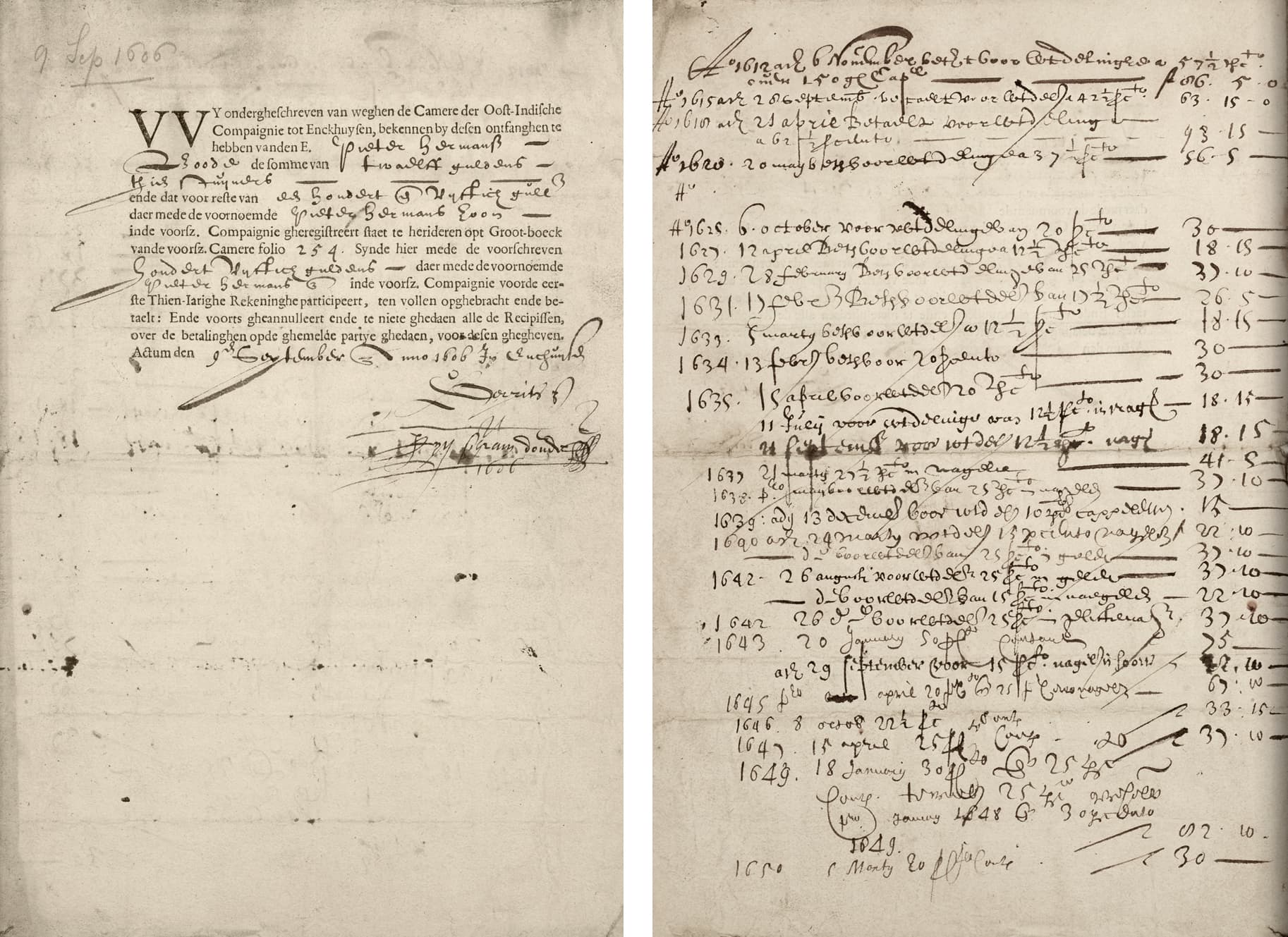
The first share in history — and the birth of the stock market
In 1602, a Dutch company did something never seen before: it sold pieces of itself to anyone who wanted them. Thus shares and the world's first stock exchange were born.
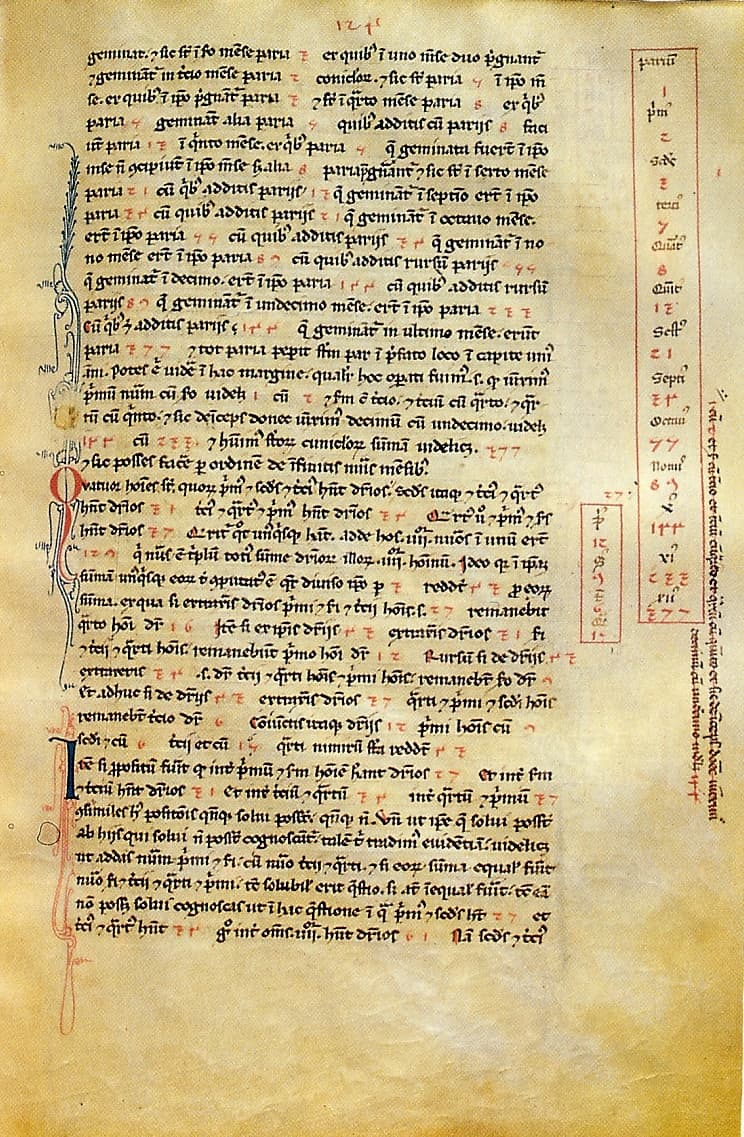
The power of compound interest — "the eighth wonder of the world"
Interest that earns interest seems a small detail, but over time it makes the difference between saving and slowly growing wealthy. The most important money lesson you can learn early.

The 2008 crisis — when loans brought down the world
Giant banks collapsed because they had handed out loans people couldn't repay. The biggest financial crisis since 1929 — and what it taught us about debt.
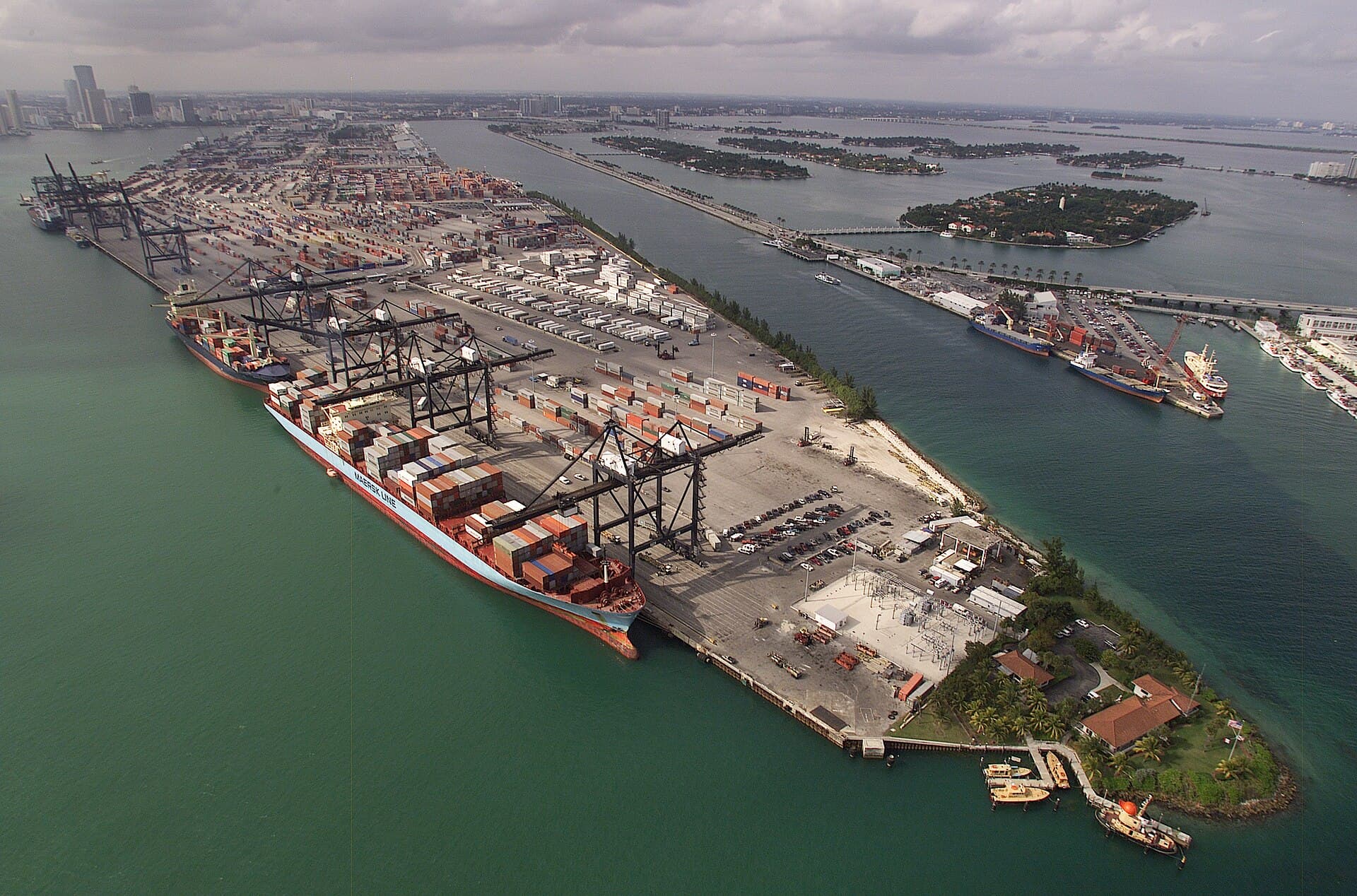
What is GDP — a country's "report card"
You always hear "GDP grew" on the news. But what is it, really? A simple explanation of the most used number in economics.
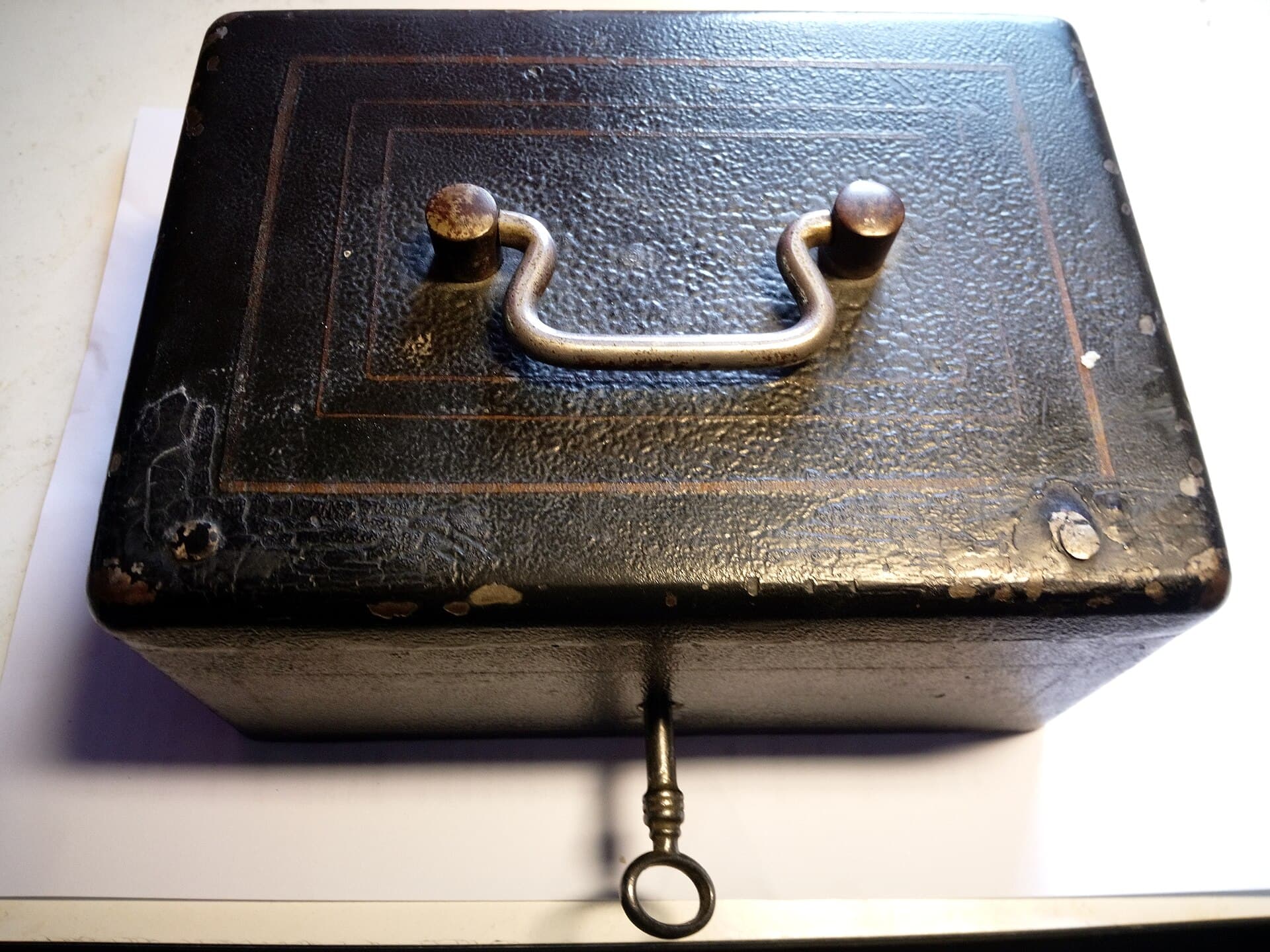
The personal budget — the first lesson we're not taught in school
What comes in, what goes out, what's left. It sounds trivial, but it's the most important financial habit of life. How to keep a budget — and how to practice it without stress.
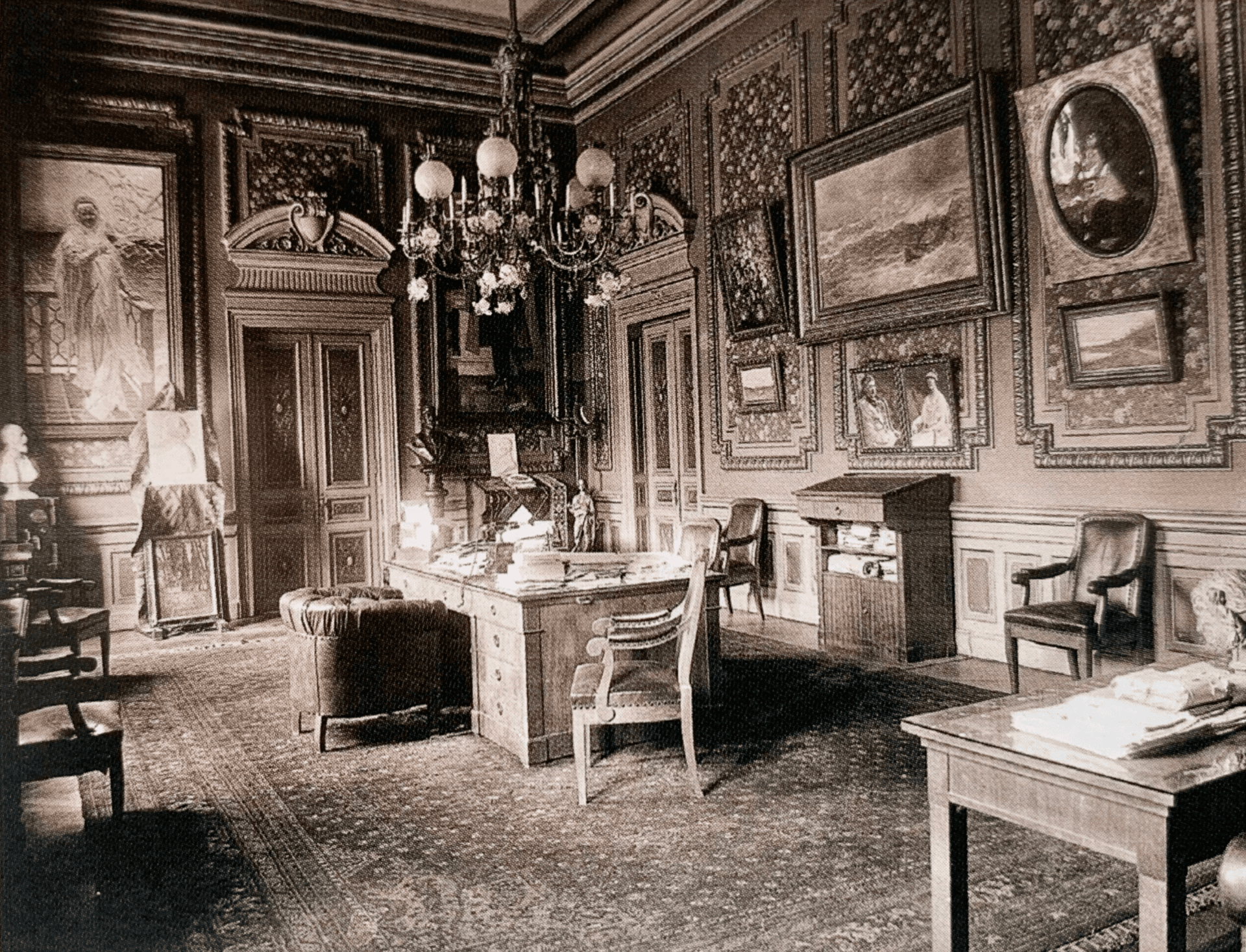
The first banks in the Romanian lands — and the birth of the BNR
Until late, Romanians kept their money in the dowry chest. How the first modern banks appeared and why the founding of the National Bank, in 1880, changed everything.
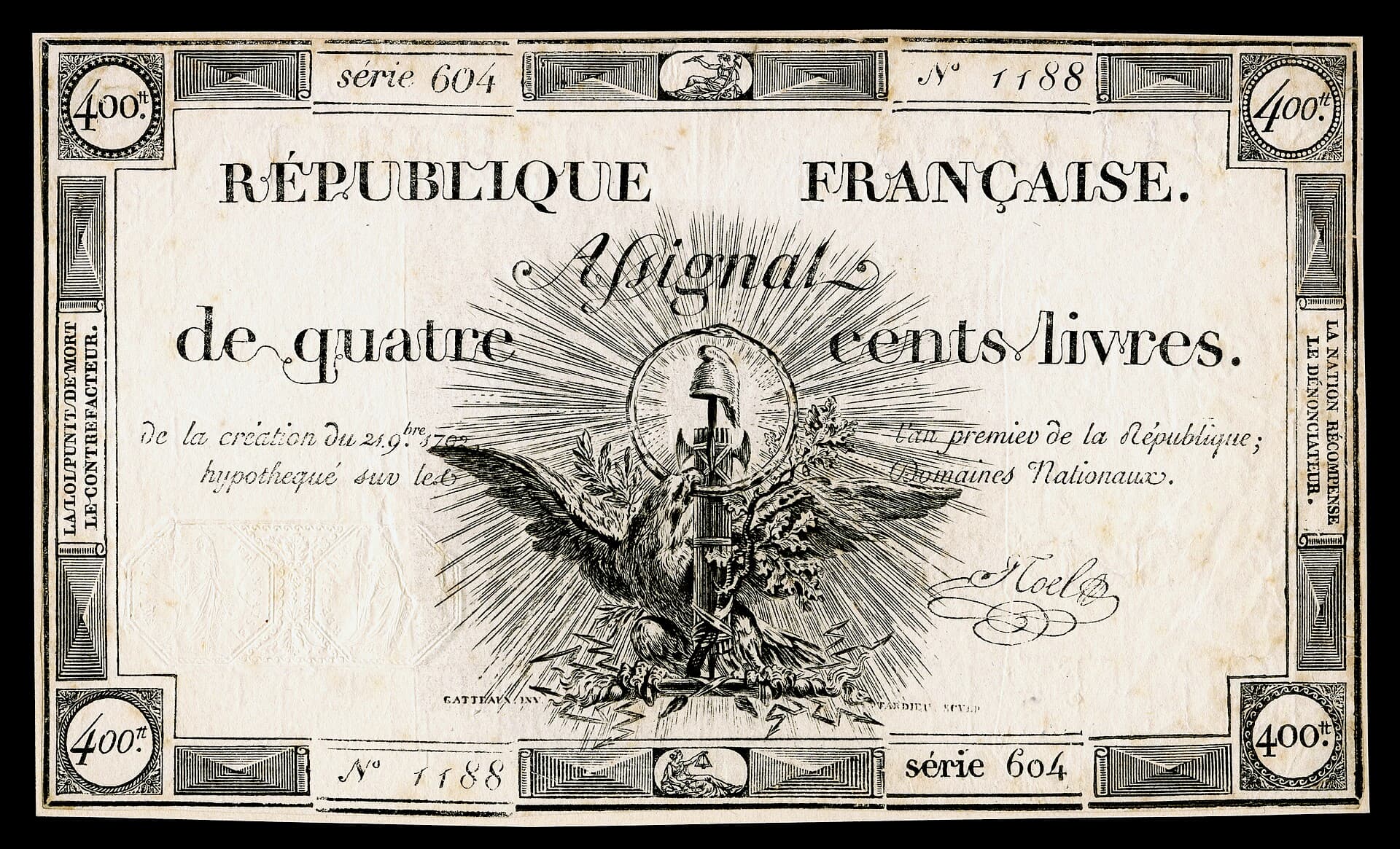
The assignats — how the French Revolution printed itself into disaster
To pay its debts, revolutionary France printed money backed by land. It printed too much — and the currency became worth nothing.
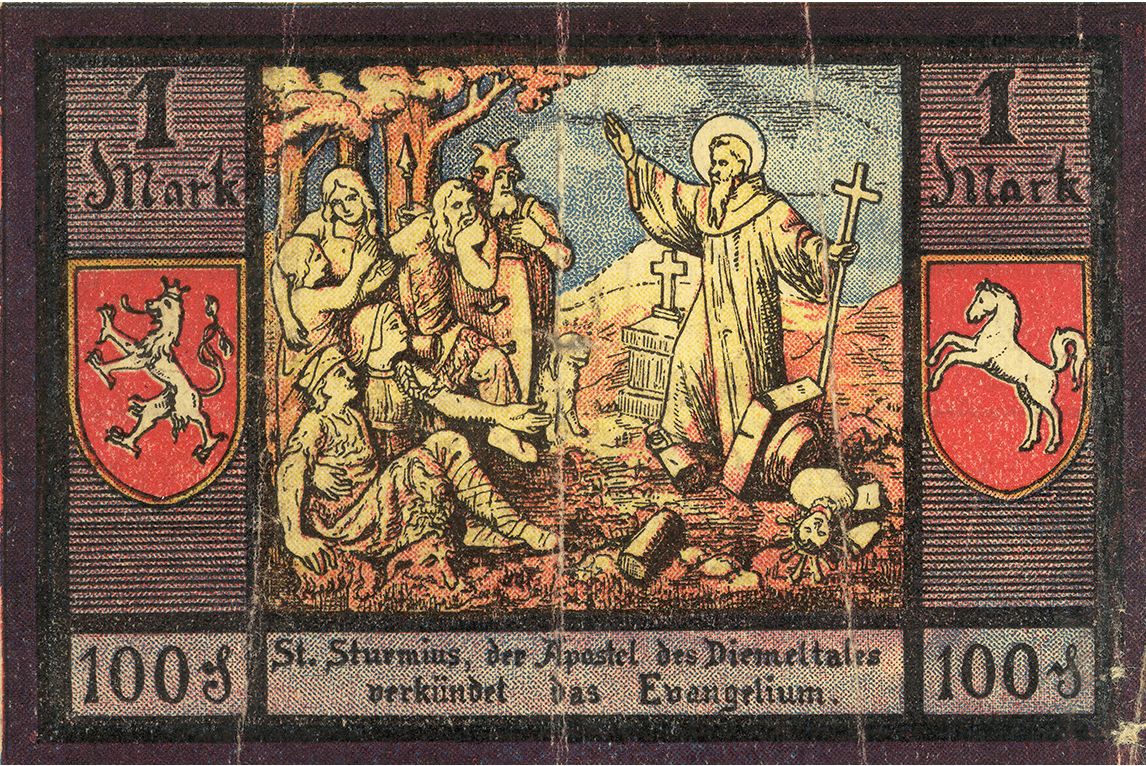
Notgeld — emergency money, when the state runs out of coin
In Germany after World War I, towns printed their own money. Tiny works of art on paper, born out of crisis.
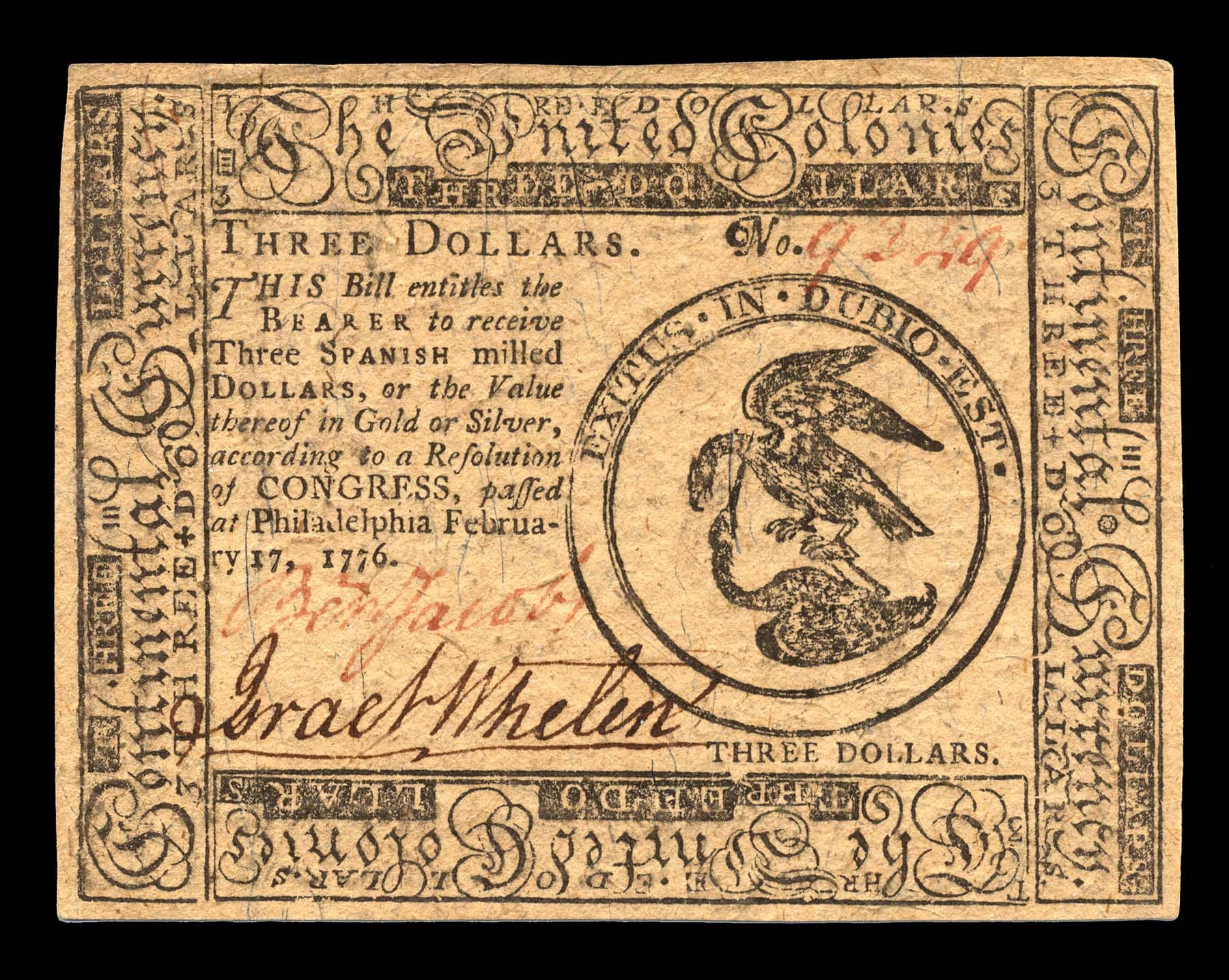
The Continental dollar — the money that won a war then died
To finance the American Revolution, the colonies printed "Continental dollars". They worked — until inflation turned them into a phrase for something worthless.
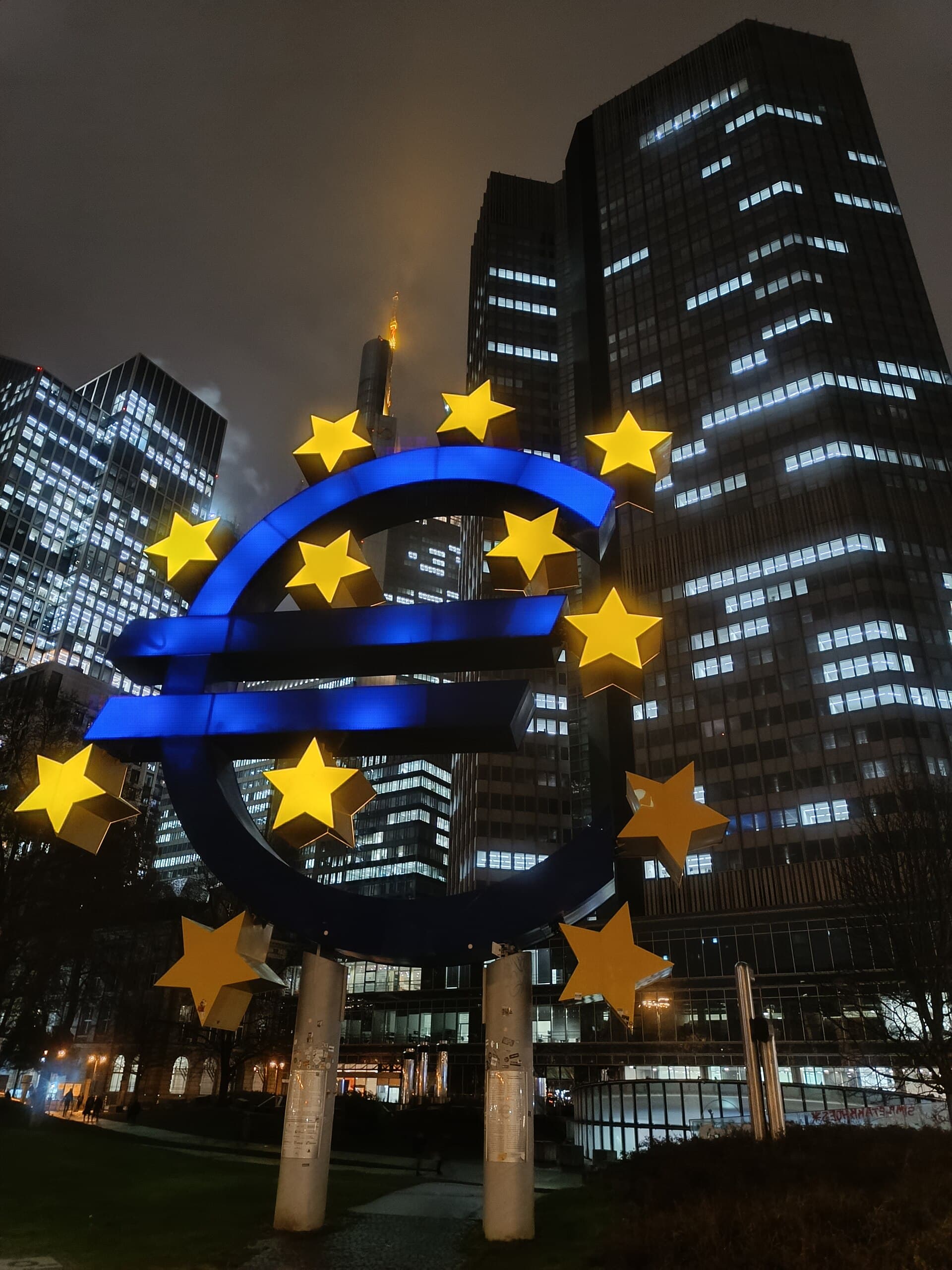
The birth of the euro — one currency for many peoples
In 2002, over 300 million people gave up marks, francs and lire for a common currency. The most ambitious monetary experiment in history.
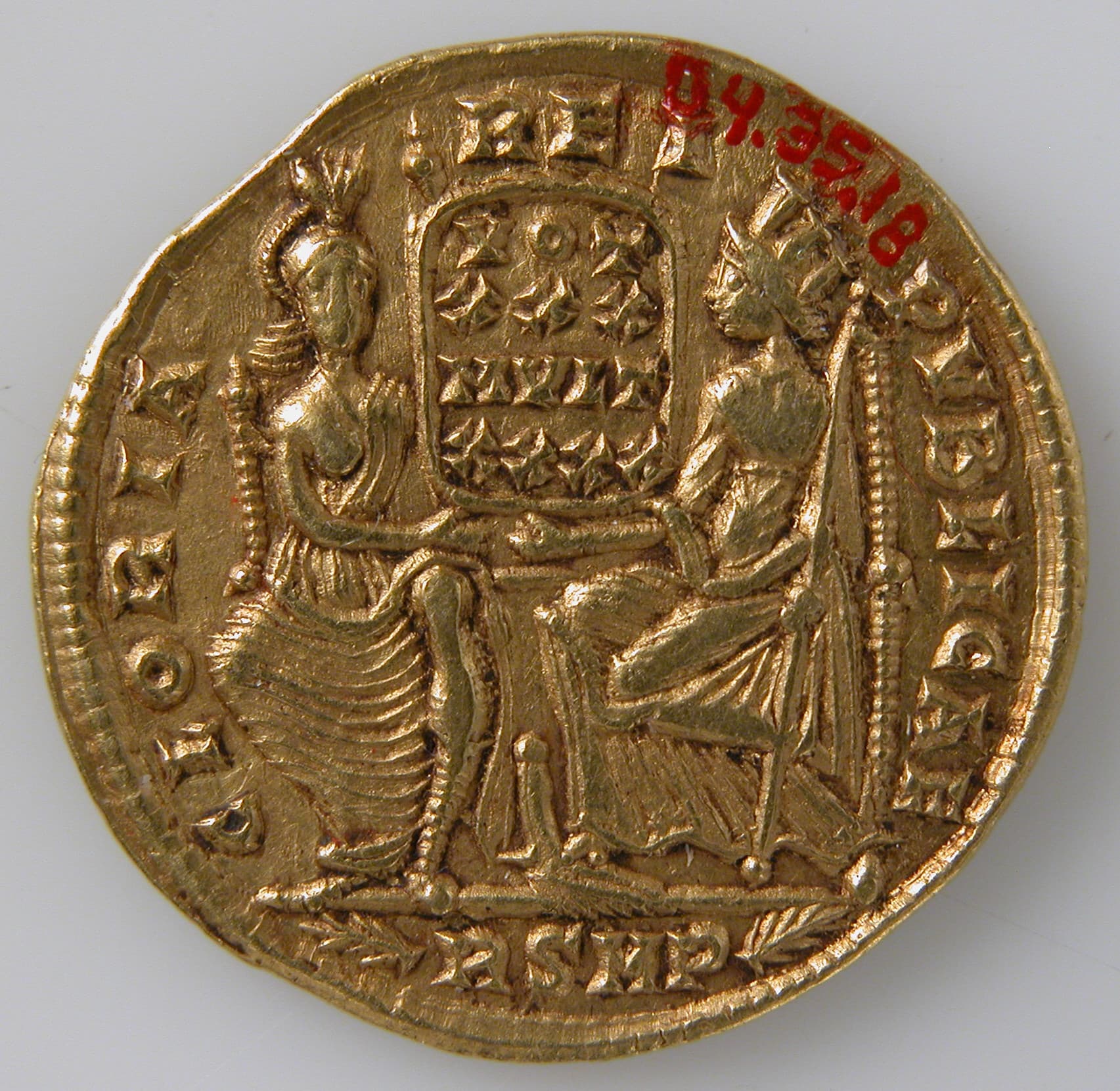
Solidus — the gold dollar of Byzantium
For 700 years, a Byzantine gold coin was the trusted money of the medieval world, from Rome to China.
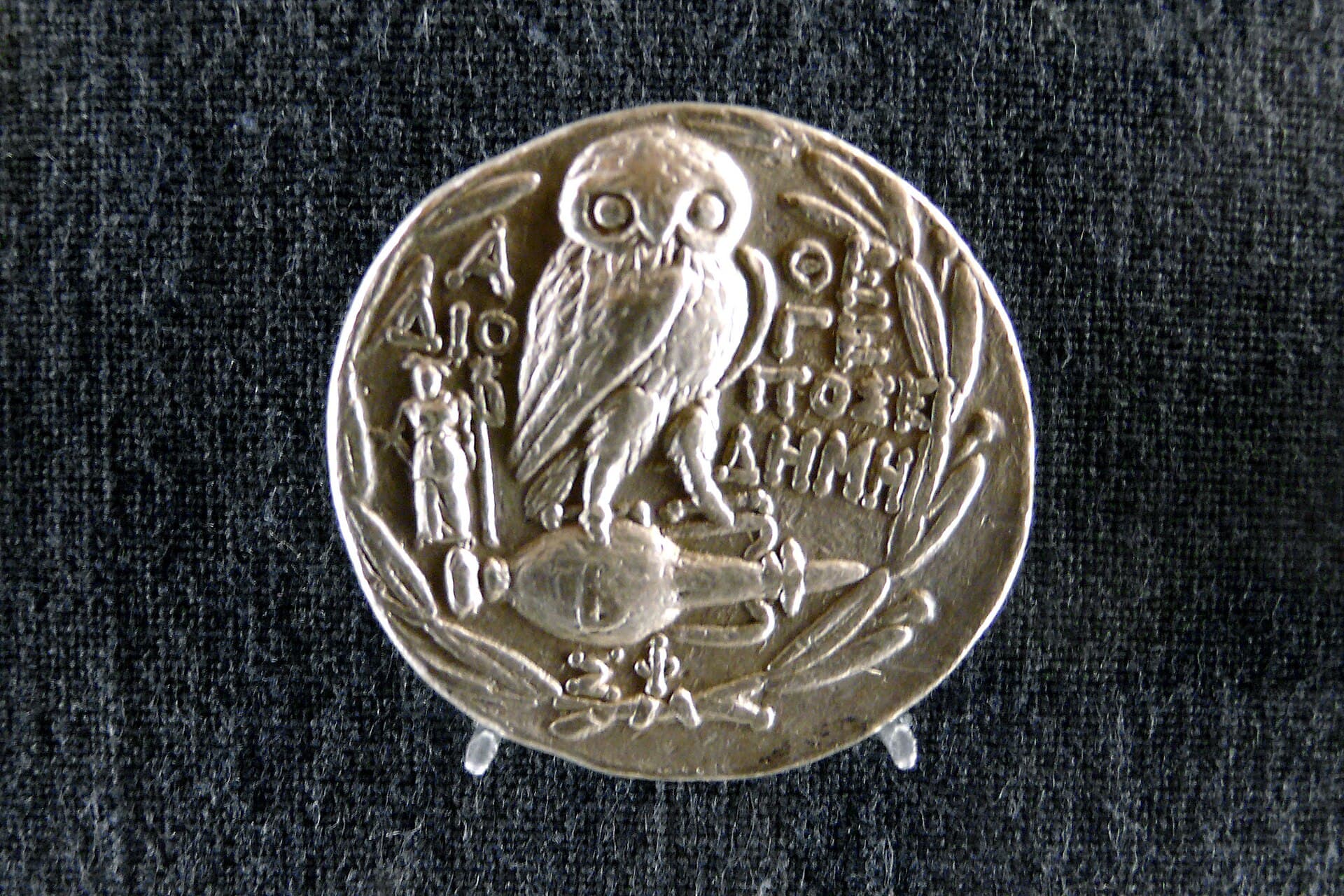
Athena's owl — the coin that funded democracy
Athens' silver tetradrachm, with the owl on the reverse, was one of the most powerful coins of antiquity.
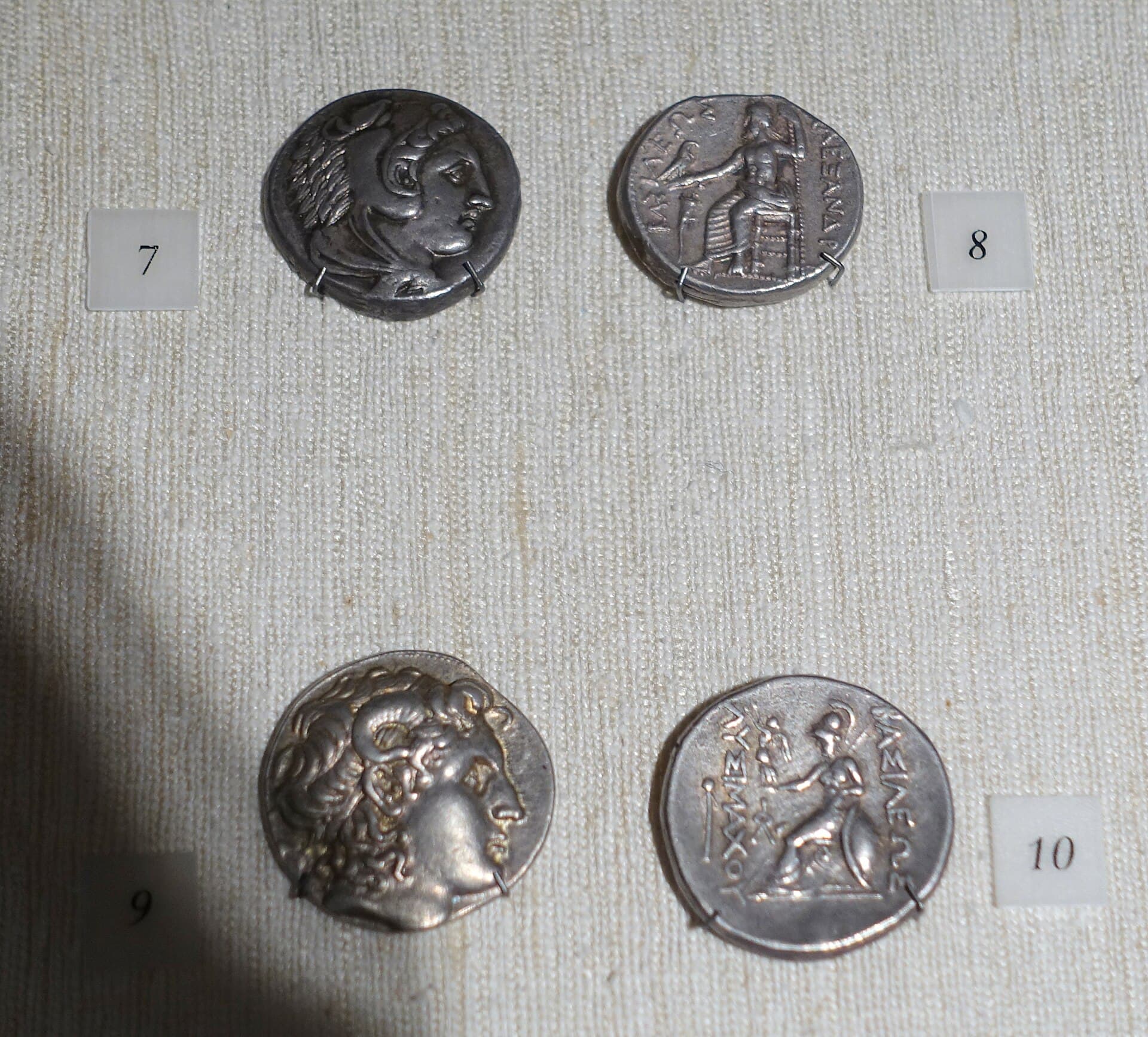
The coins of Alexander the Great — money of a conquered empire
Alexander spread a single coinage from Greece to India, uniting economies that had never met.
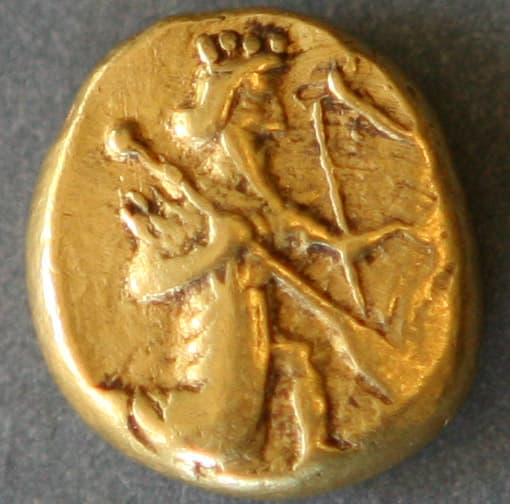
The Persian daric — the Great King's gold
The gold coin of the Persian Empire, with the royal archer, was the money of the ancient superpower.
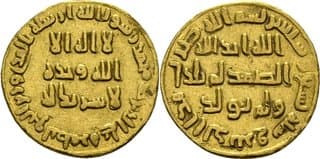
The Islamic gold dinar — the coin without faces
Instead of emperors, the Islamic dinar carried only words. A coin that united trade from Spain to India.
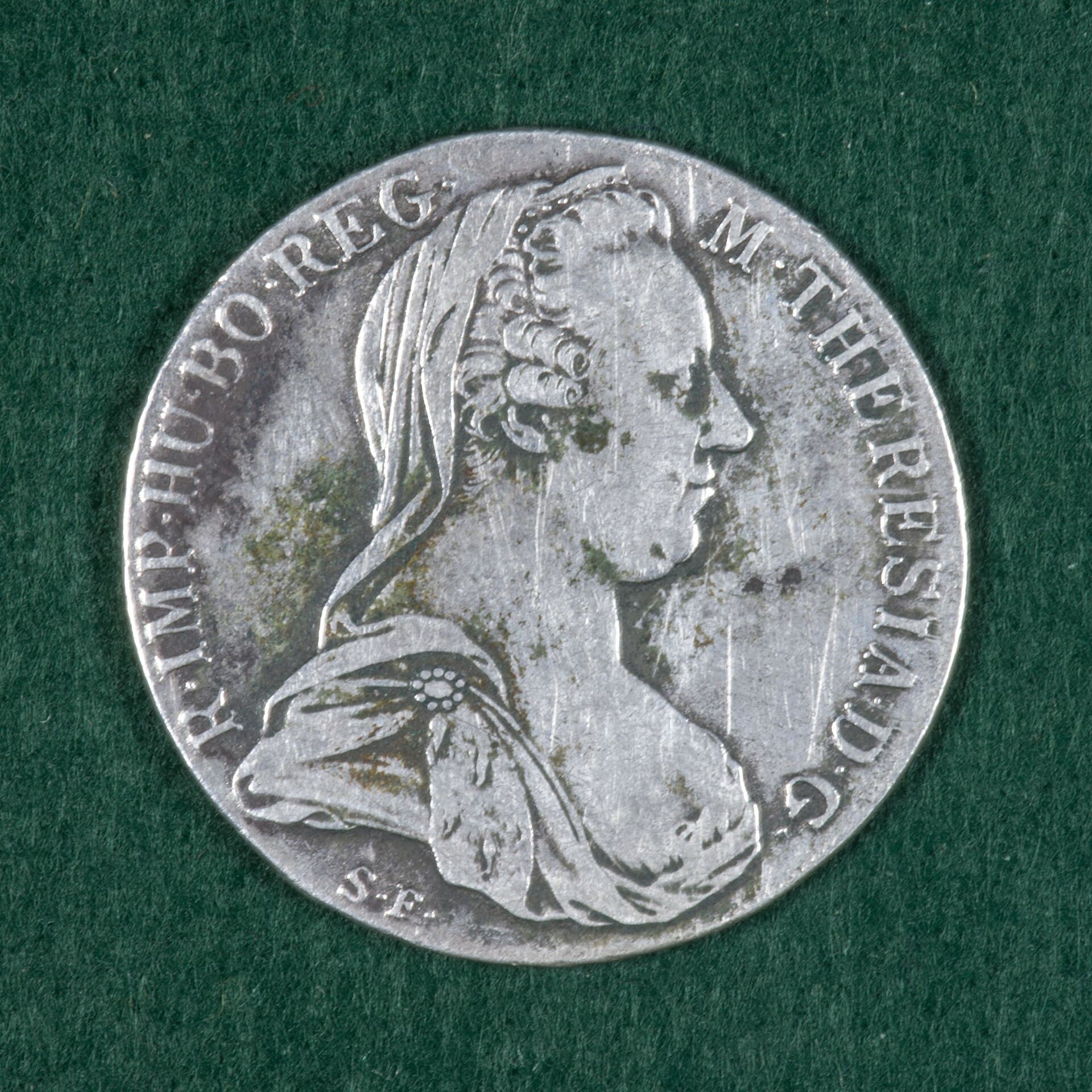
The Maria Theresa thaler — the immortal coin
An Austrian coin from 1780 has been struck continuously for over 240 years and circulated as money in Africa and Arabia.
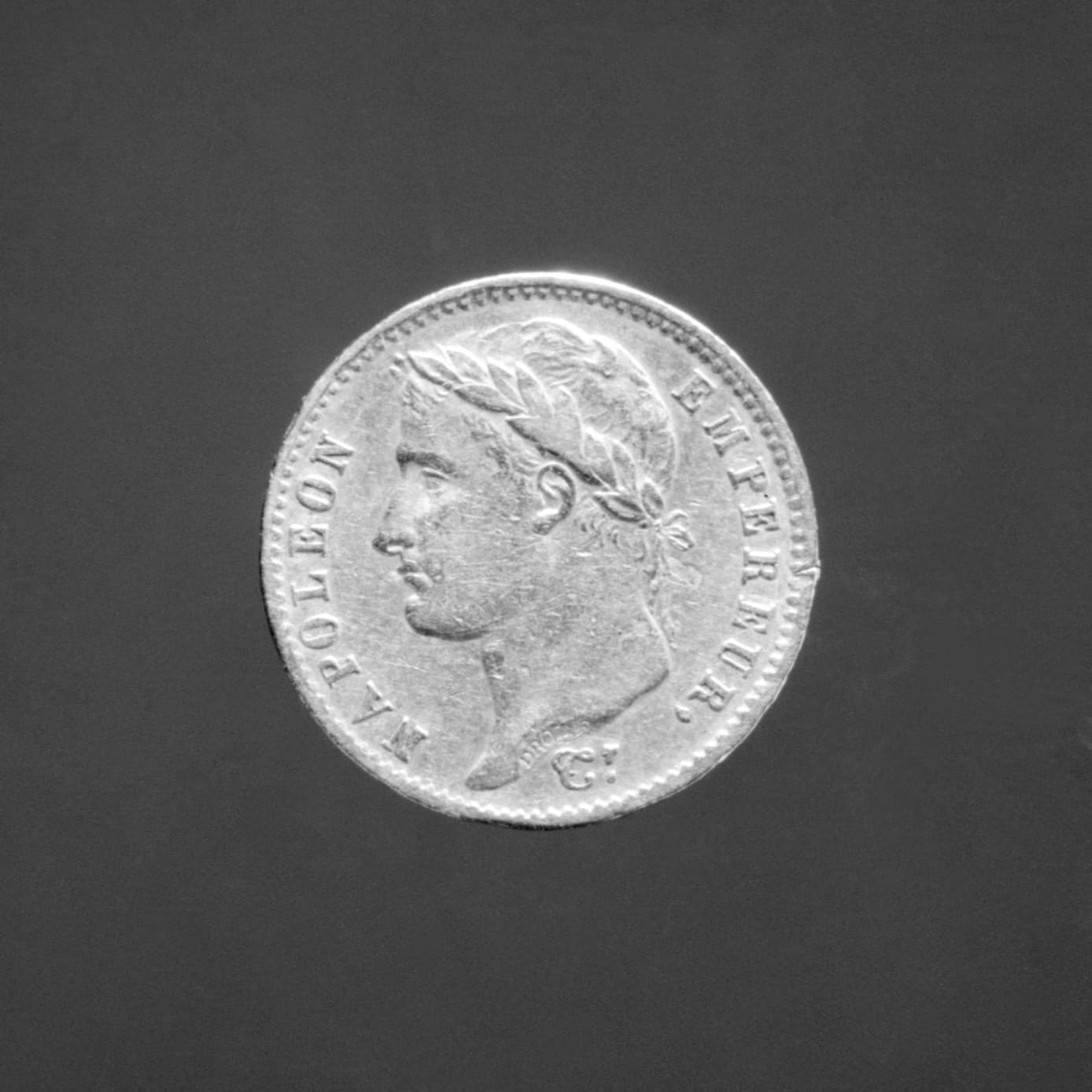
The gold Napoleon — the trusted coin of the French
The 20-franc coin bearing Napoleon was, for a century, the symbol of safe savings in France.
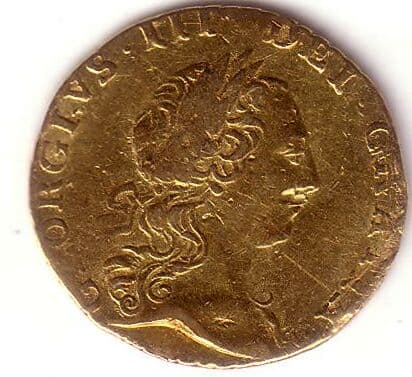
The guinea — the coin that named a price
Struck from gold brought from Guinea, the English coin lived on in language long after it left pockets.
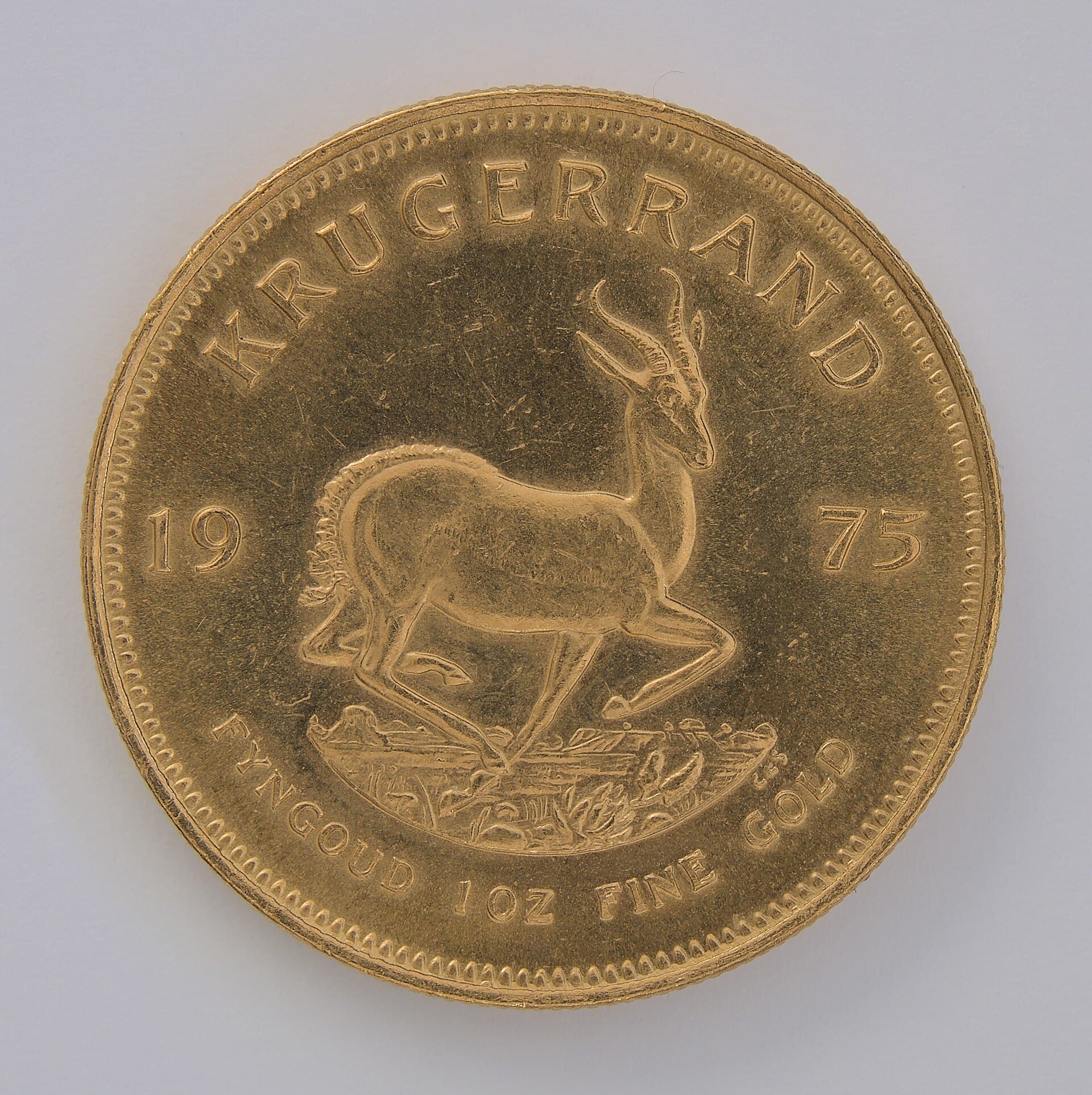
The Krugerrand — the coin that made gold accessible
Launched in 1967, it was the first coin designed so ordinary people could own investment gold.
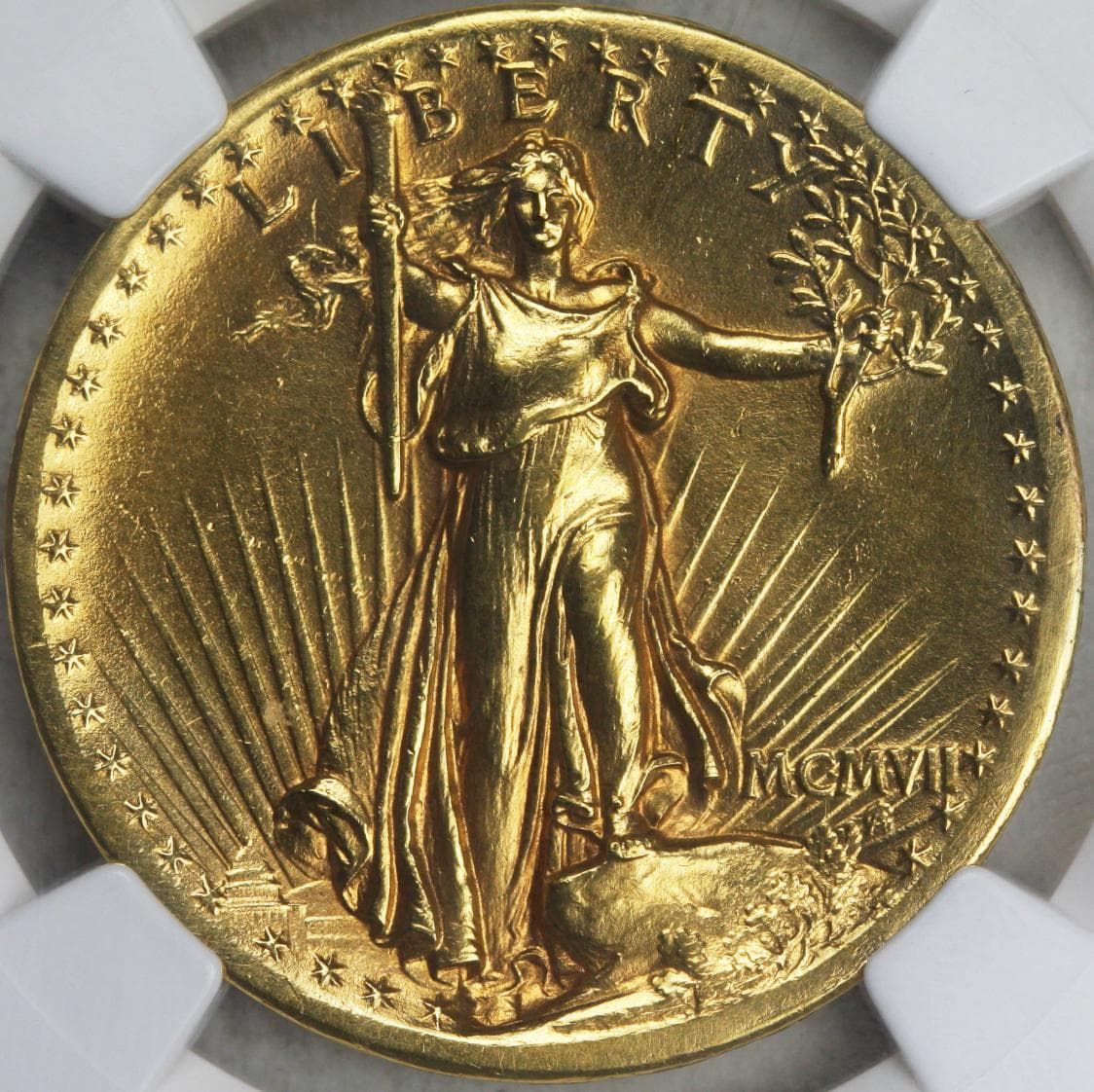
The 1933 Double Eagle — the most expensive coin in the world
An American gold coin that never legally entered circulation sold for over 18 million dollars.
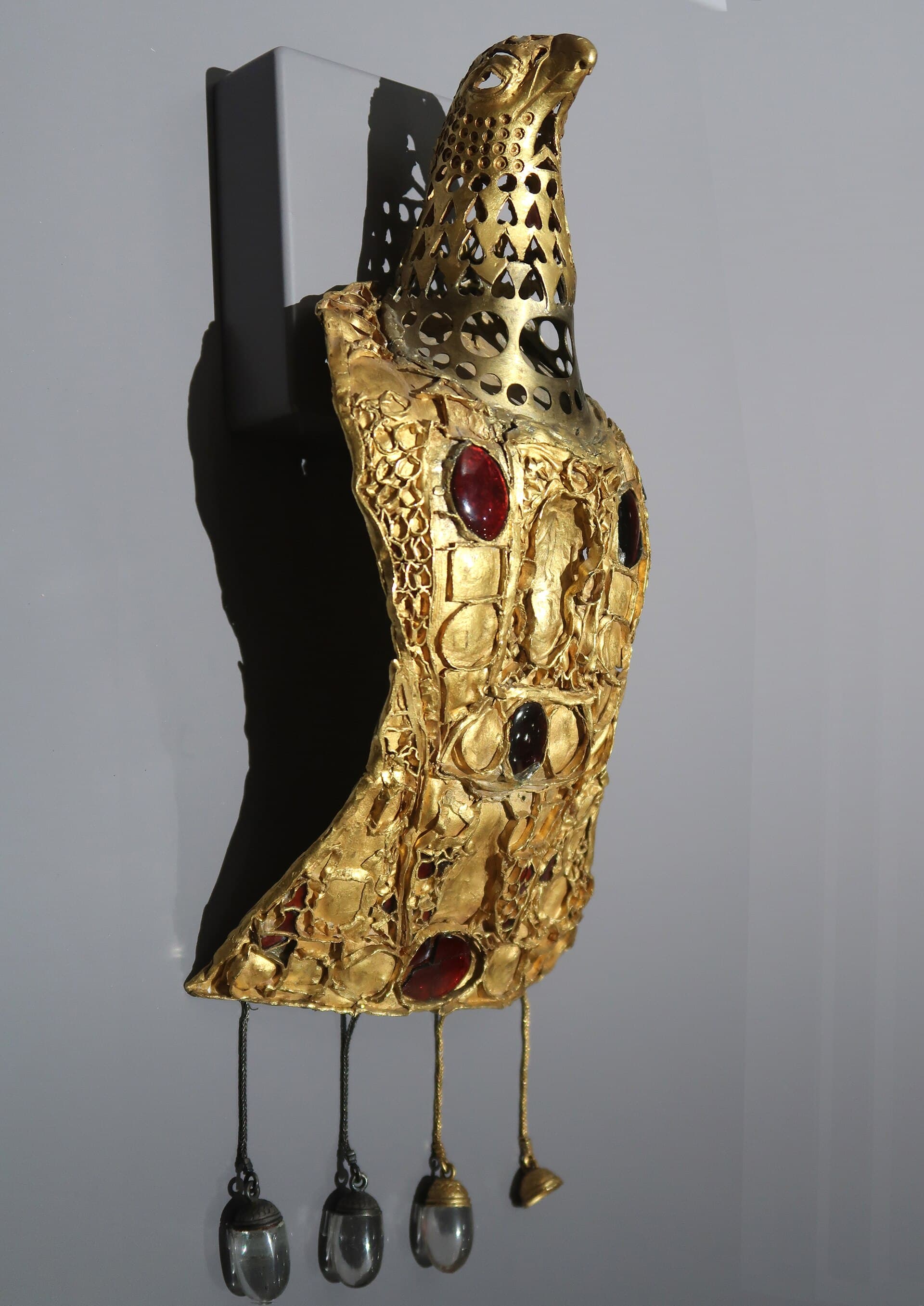
The Gold Hen and Chicks — the Pietroasele treasure
One of the most famous gold treasures found on Romanian soil, over 1,600 years old.
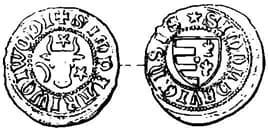
The Moldavian gros — Moldavia's first money
In the 14th century, Petru I Mușat struck Moldavia's first own coin, a sign of an independent state.
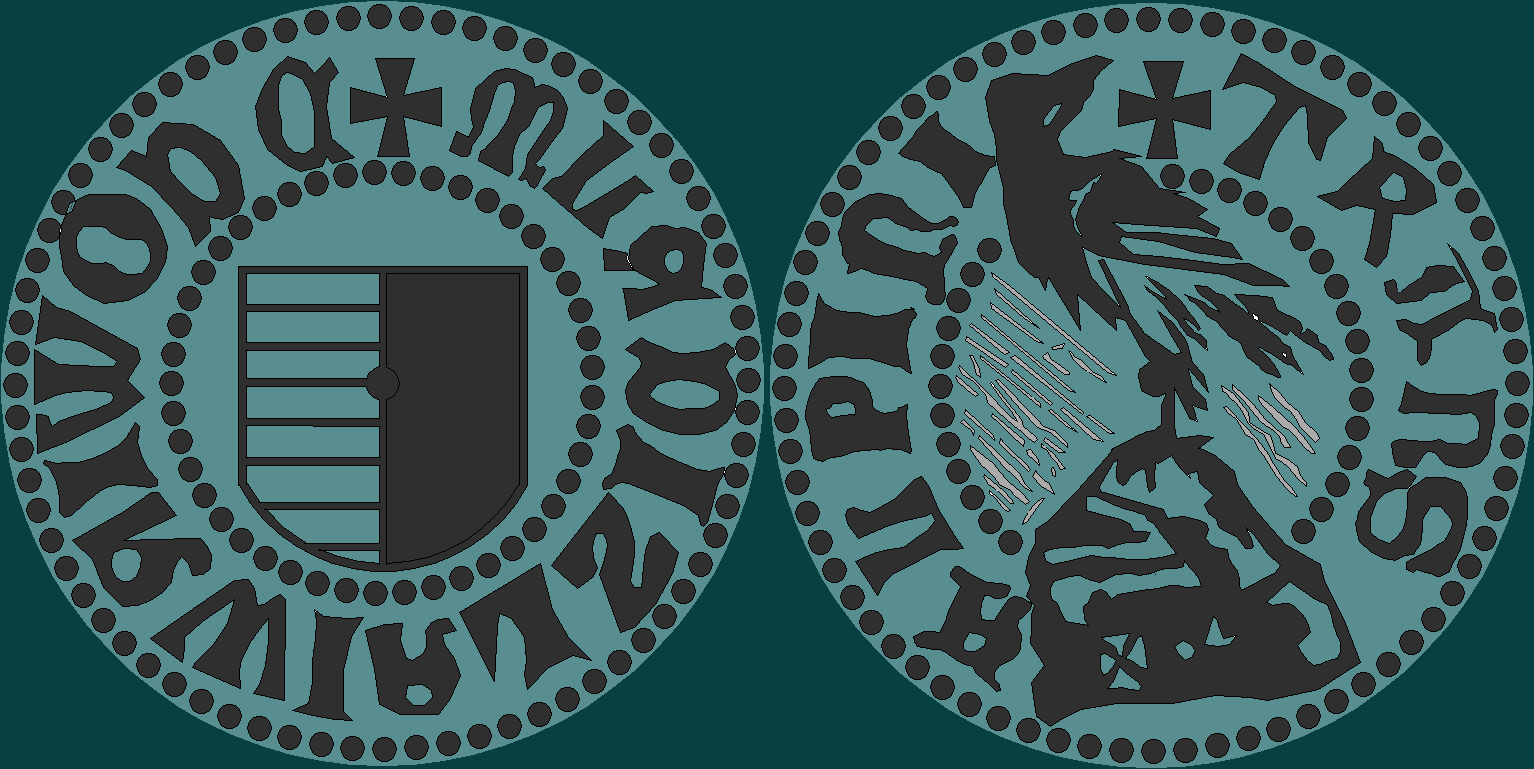
Mircea the Elder's money — the coinage of Wallachia
The rulers of Wallachia struck their own coinage from the 14th century, a sign of an organized economy.
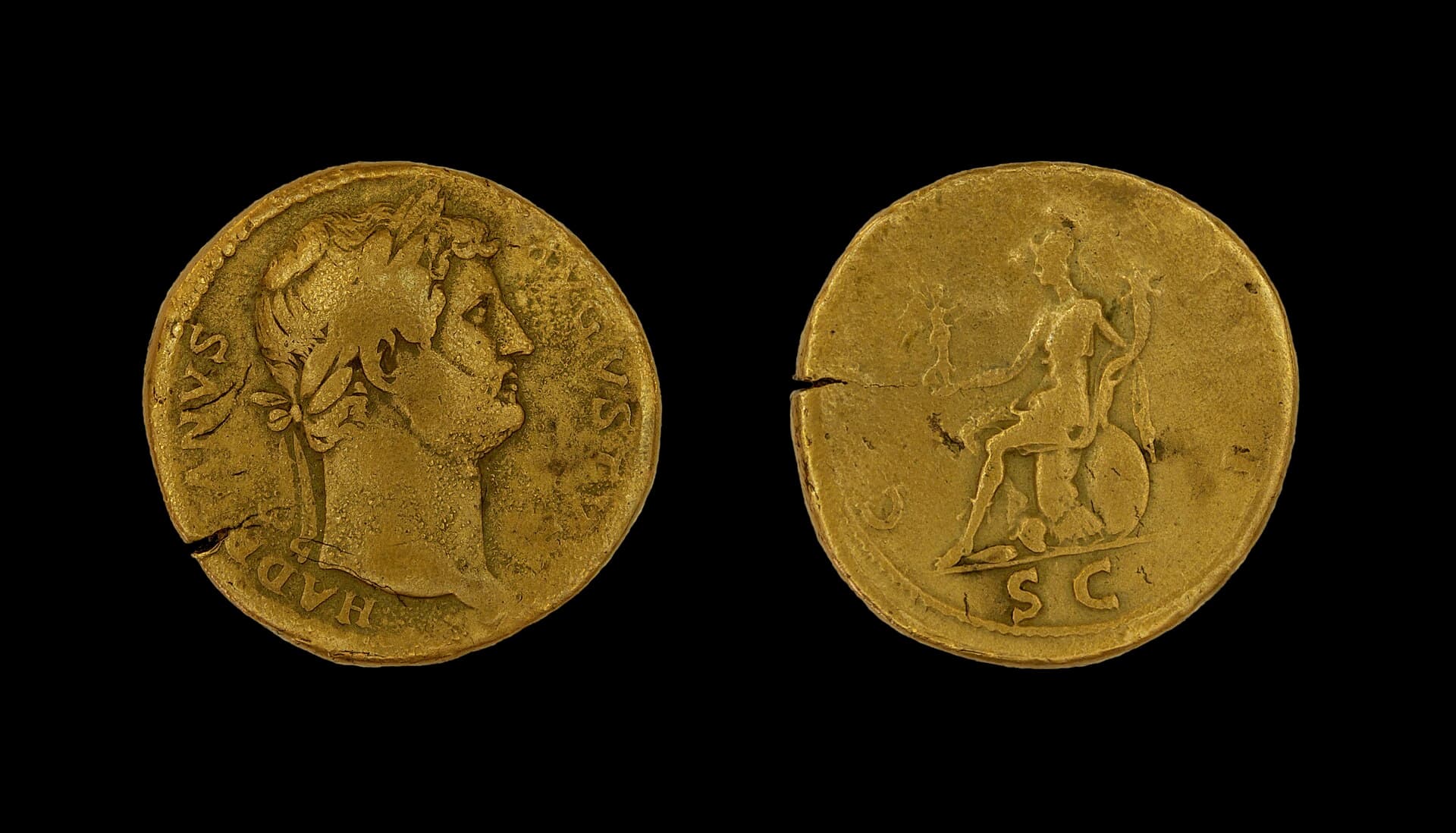
The sestertius — Rome's small change and unit of wealth
Wealth in Rome was measured in sestertii, from a soldier's pay to the price of a villa.
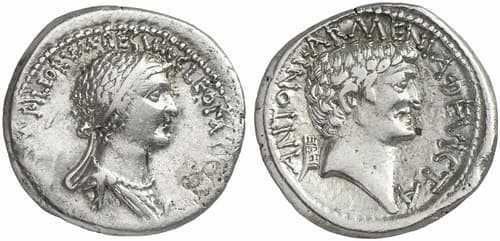
The coin with Cleopatra's face — propaganda in metal
Before newspapers and television, rulers sent their face into the world on coins. Cleopatra did it masterfully.
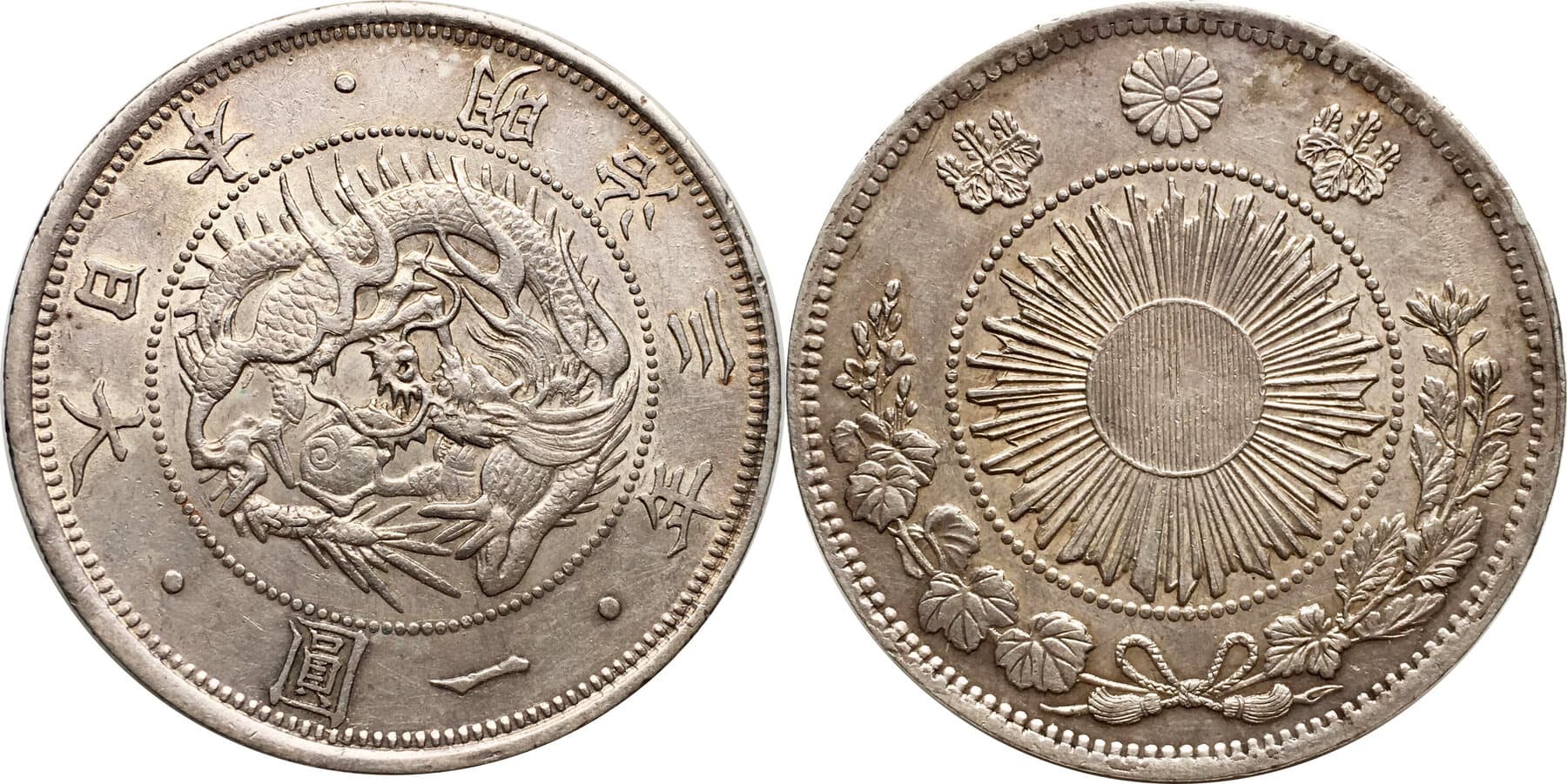
The yen — how Japan built its modern currency
In 1871, Japan abandoned feudal monetary chaos for a single, modern currency: the yen.
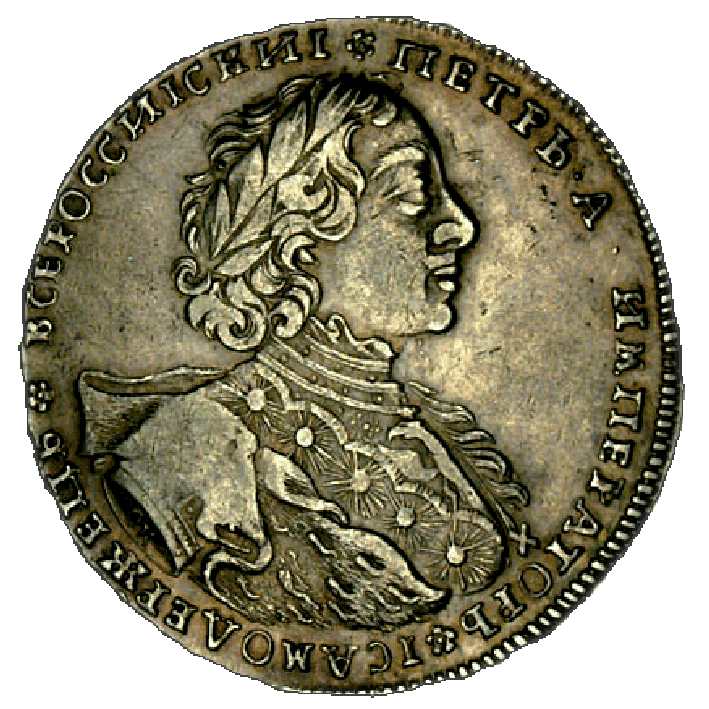
The ruble — the coin cut from a silver bar
The name of Russia's oldest currency comes from a simple act: cutting a piece off a silver bar.
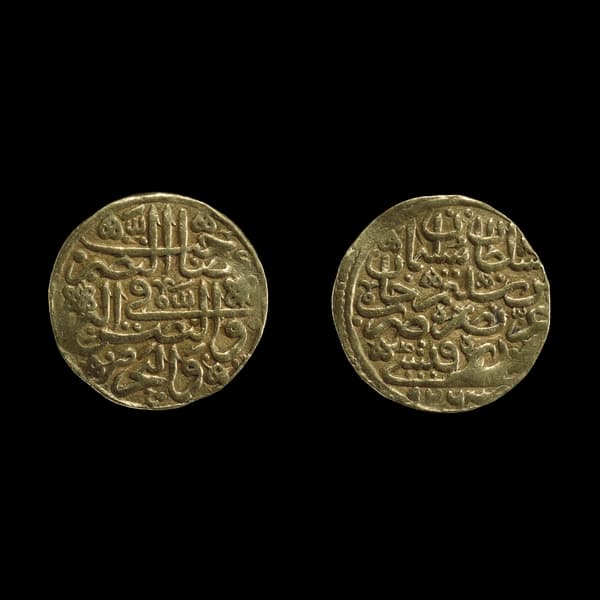
The Ottoman lira — money of an empire at sunset
The currency of the Ottoman Empire, alongside which galbeni and paras circulated for centuries in the Romanian lands.
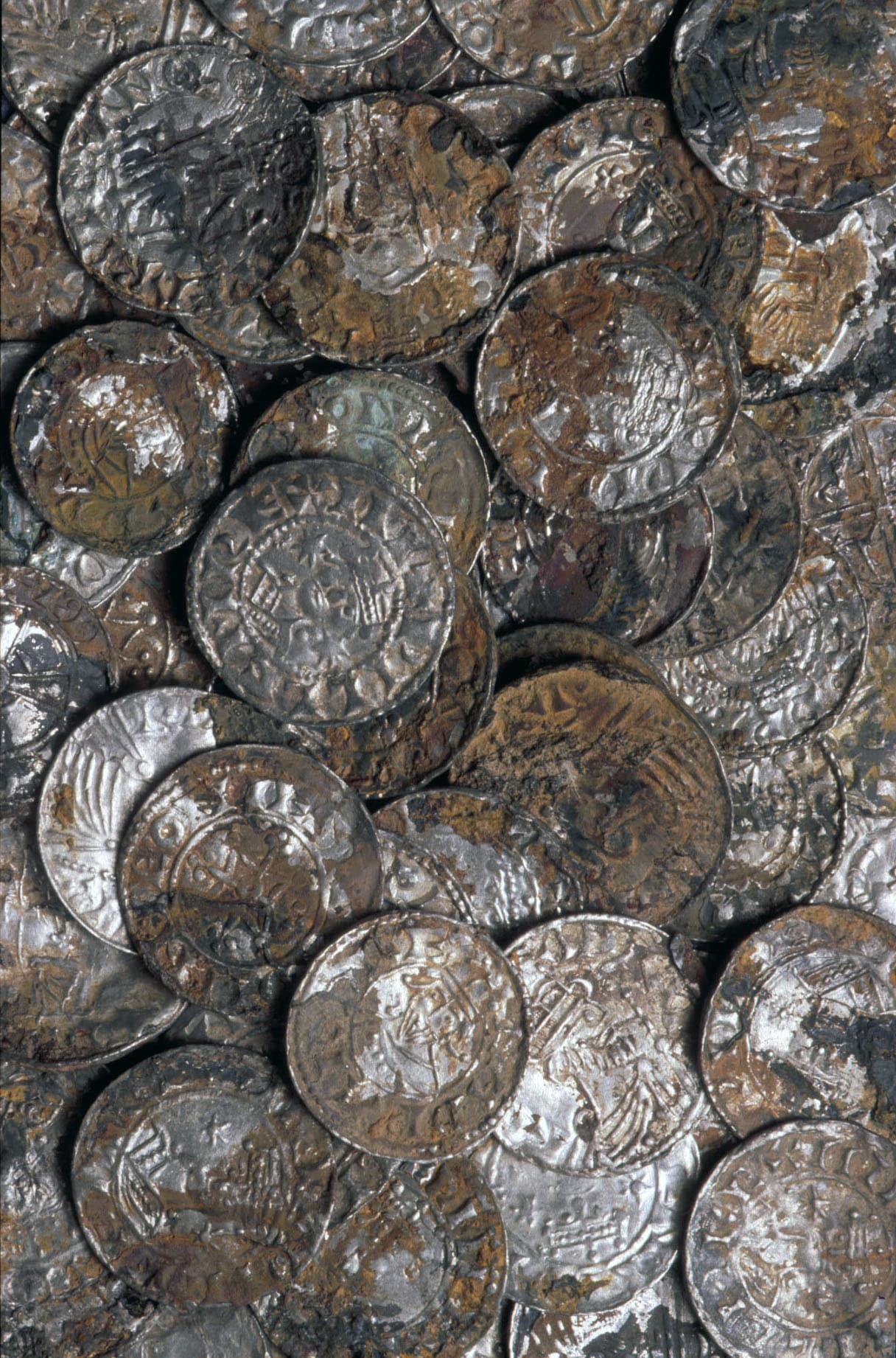
The penny — the coin that has lived for 1,200 years
First struck in 8th-century England, the penny is among the longest-lived coin names in the world.
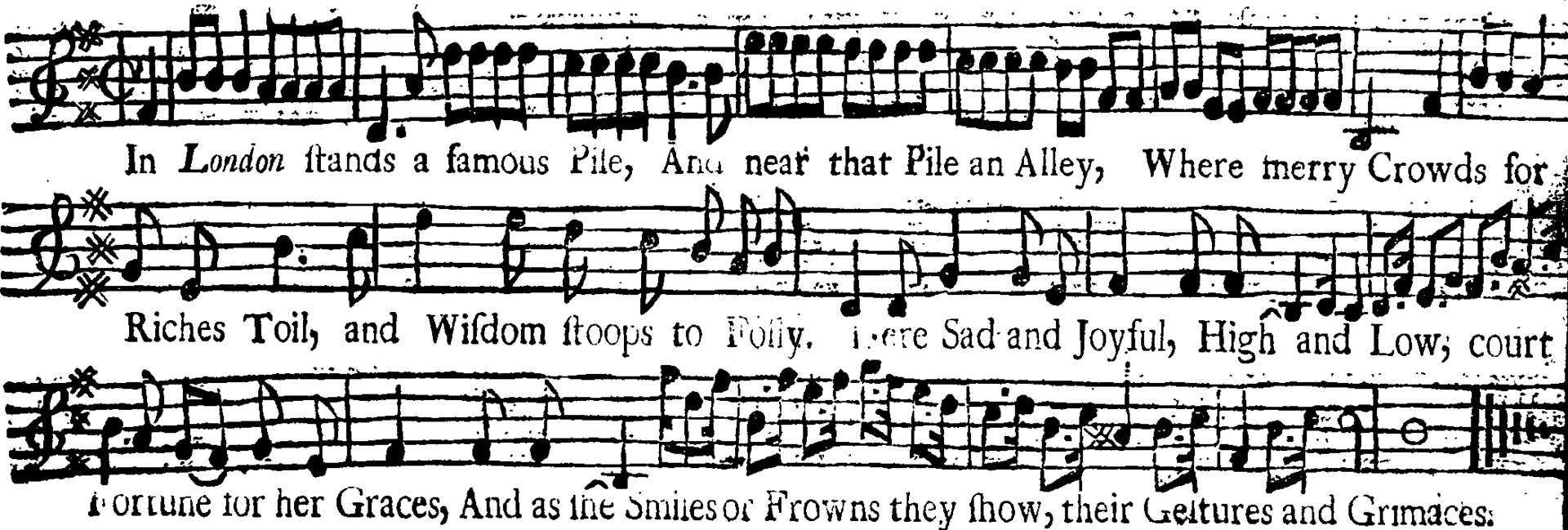
The South Sea Bubble — the madness that ruined a nation
In 1720, the British poured everything into a company promising riches from the southern seas. Then it all collapsed.
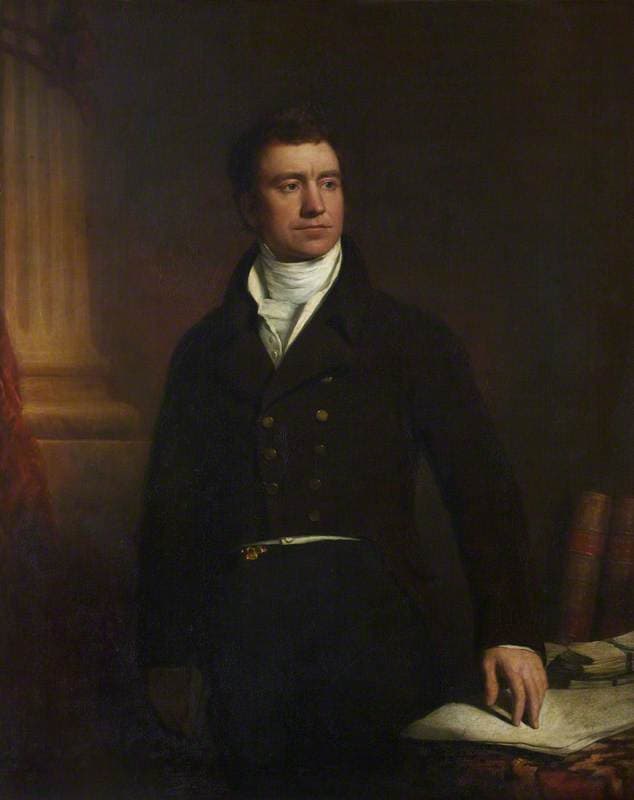
John Law — the man who invented modern money and bankrupted France
A Scotsman convinced France to print paper money on a grand scale. A huge bubble and a resounding bankruptcy followed.
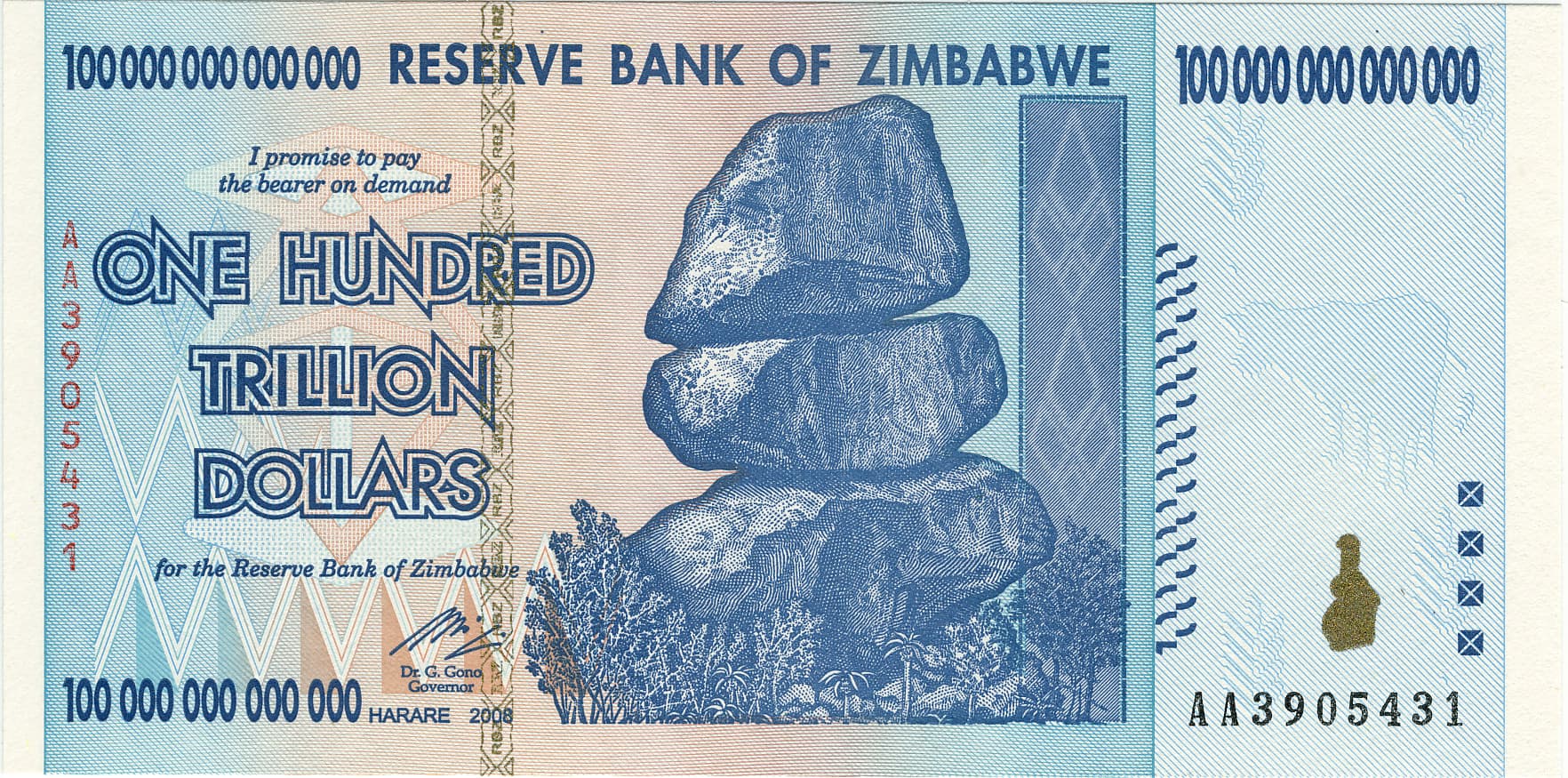
Zimbabwe — the 100 trillion dollar banknote
In 2008, Zimbabwe printed banknotes with dizzying figures. One had 14 zeros and wasn't enough for a loaf of bread.
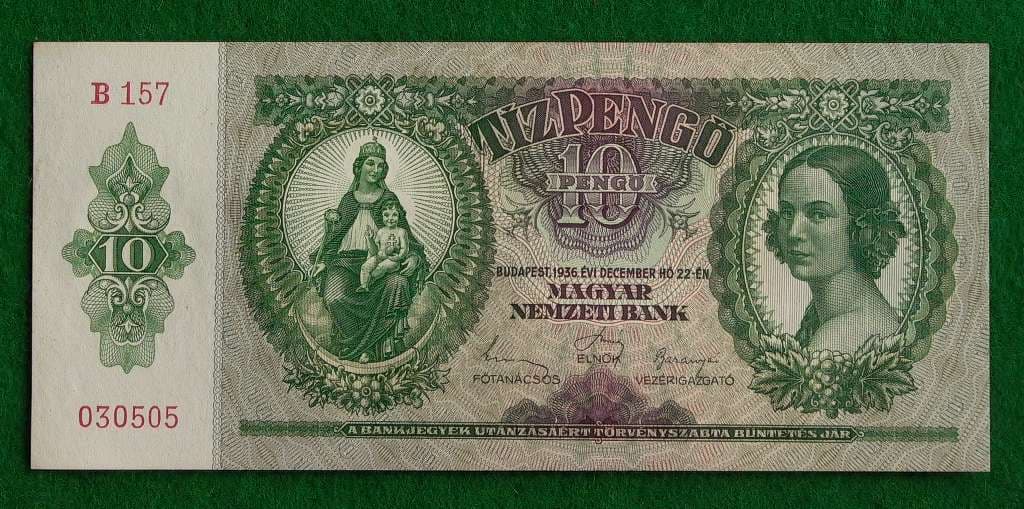
The pengő — the worst inflation in human history
In 1946, in Hungary, prices doubled every 15 hours. The all-time record, unbeaten to this day.
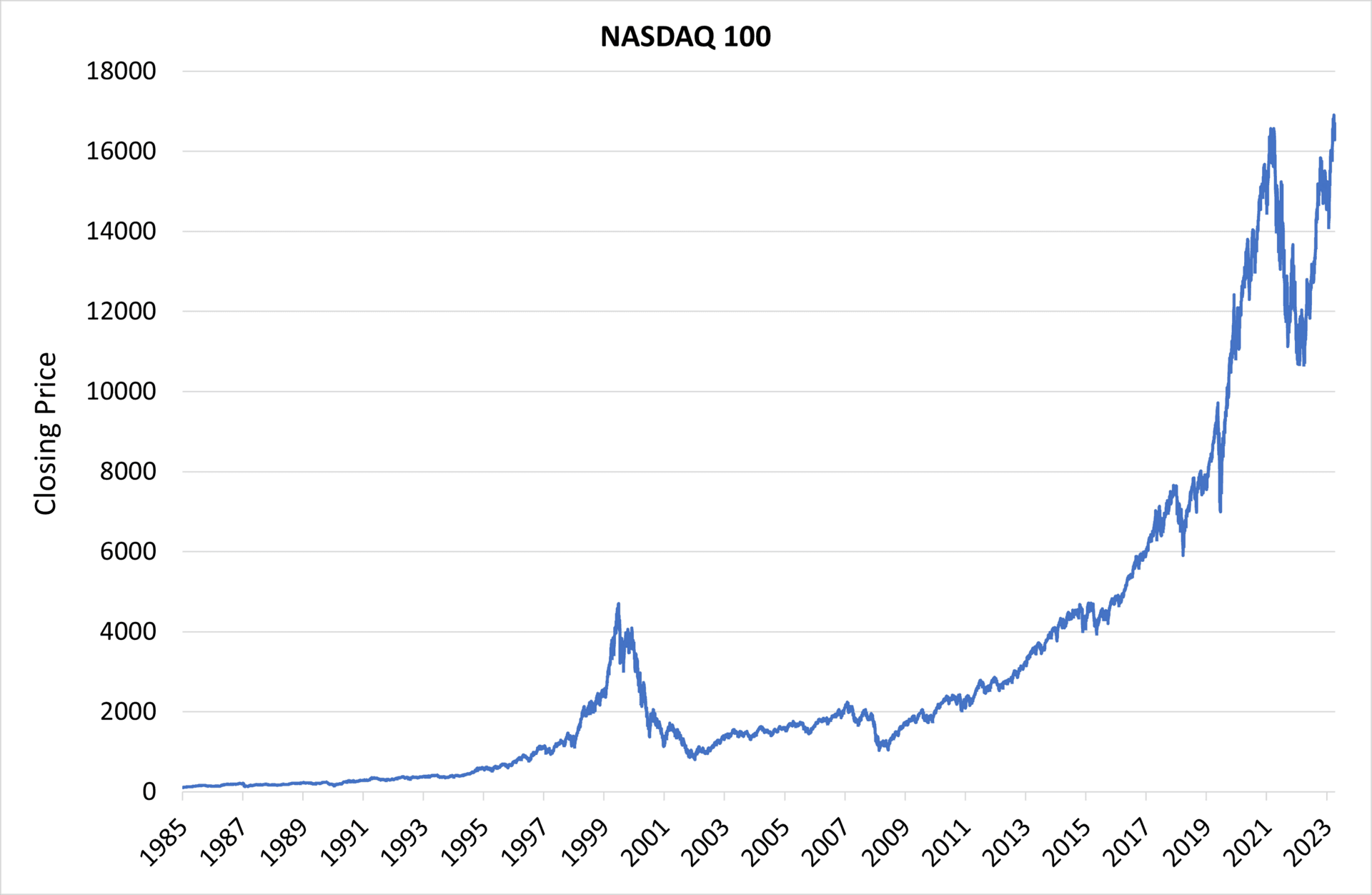
The dot-com bubble — when the internet cost a fortune
Around 2000, any company with ".com" in its name was worth millions. Then many vanished overnight.
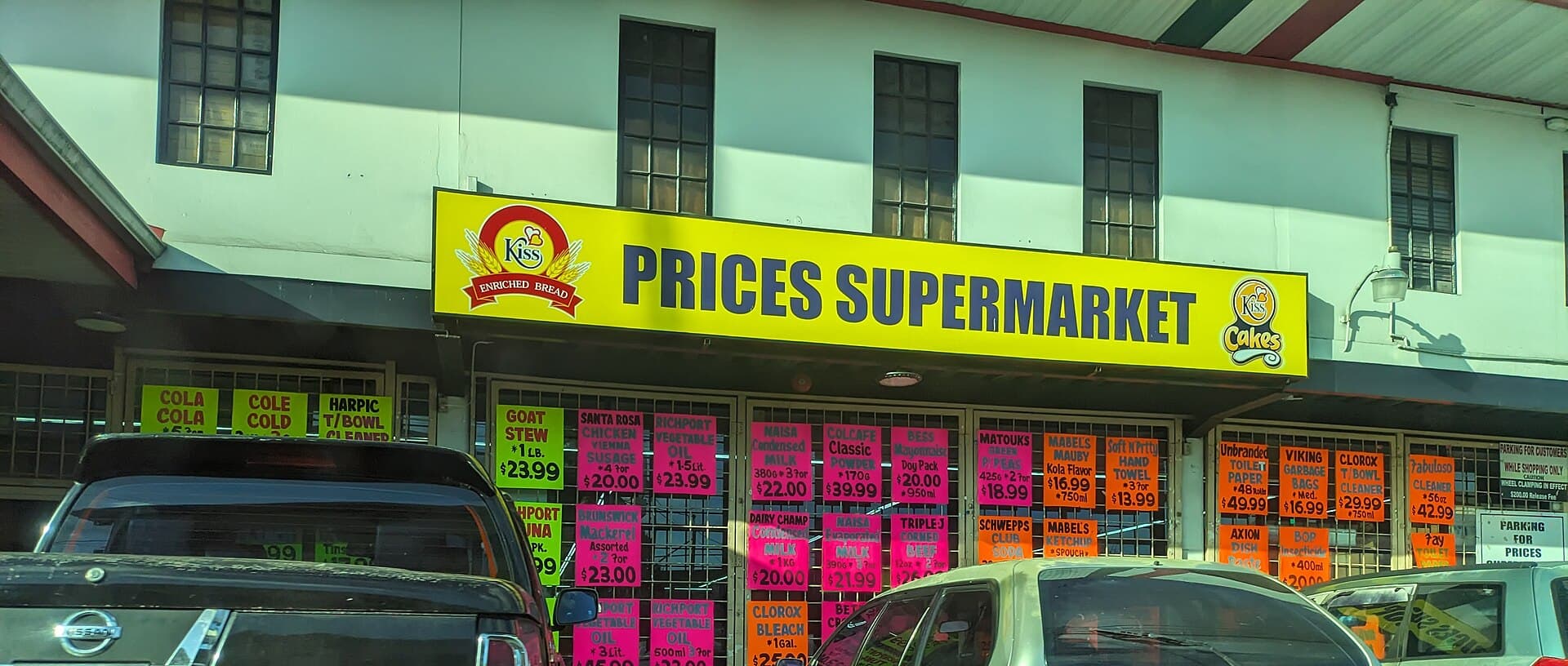
What is inflation — why money "shrinks" over time
With the same 100 lei you buy less today than ten years ago. That, in short, is inflation.
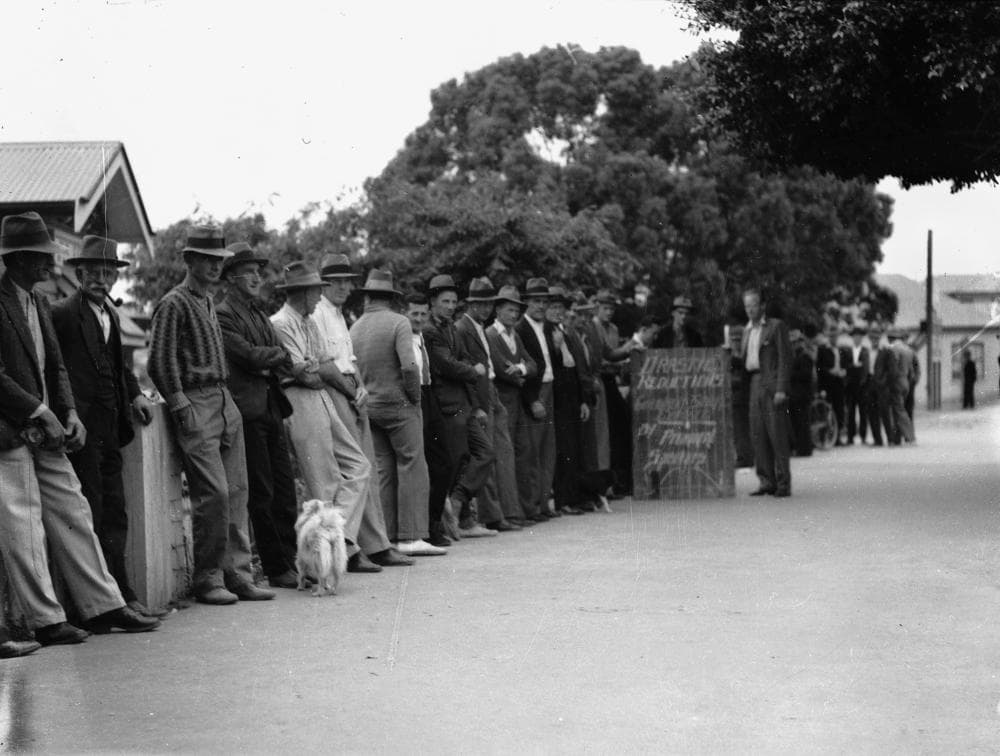
What is deflation — when prices fall (and why it's dangerous)
It sounds good for things to get cheaper. But prolonged deflation can freeze an entire economy.
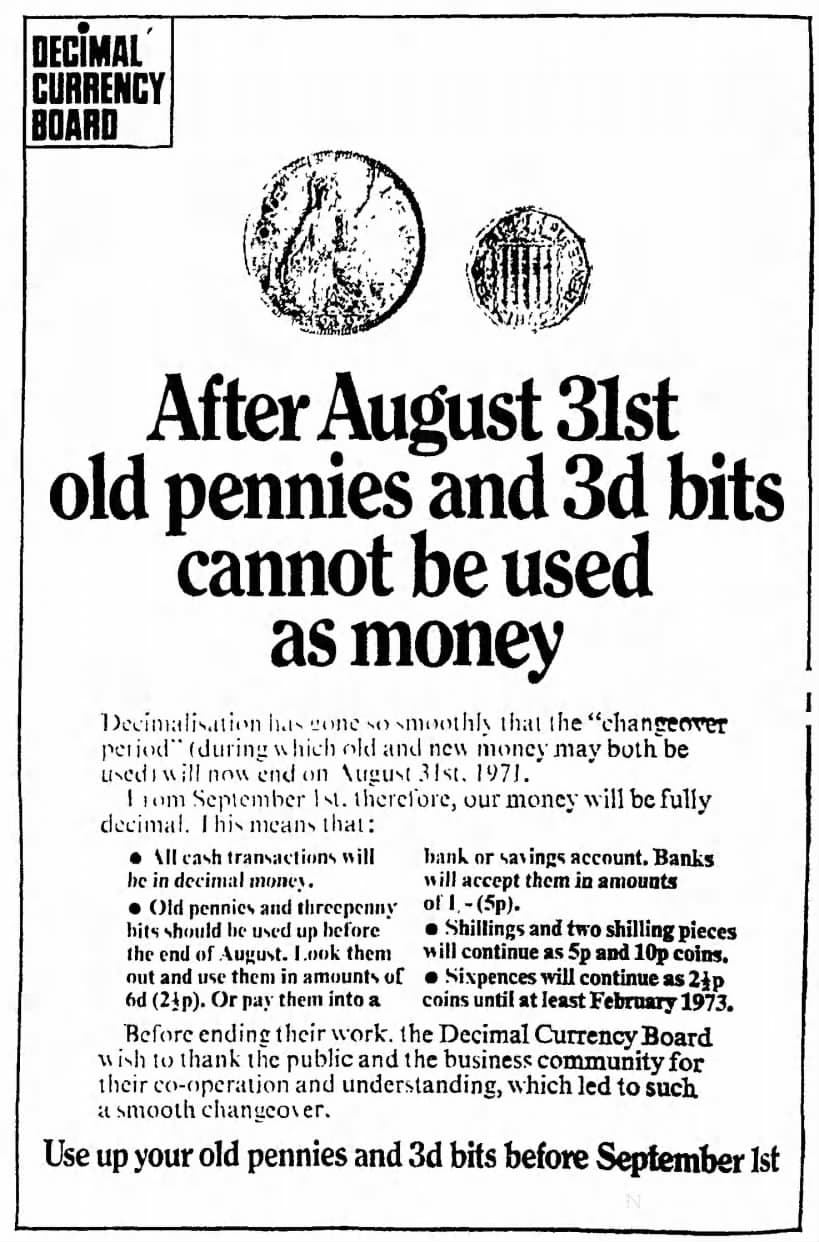
The exchange rate — why 1 euro isn't always 5 lei
The value of one currency against another changes daily. How and why the exchange rate moves.
What a central bank actually does
It doesn't hold your money, but it influences everyone's. The role of the National Bank, explained simply.
The policy interest rate — the economy's thermostat
With a single interest rate, a central bank can heat or cool an entire economy. How it works.
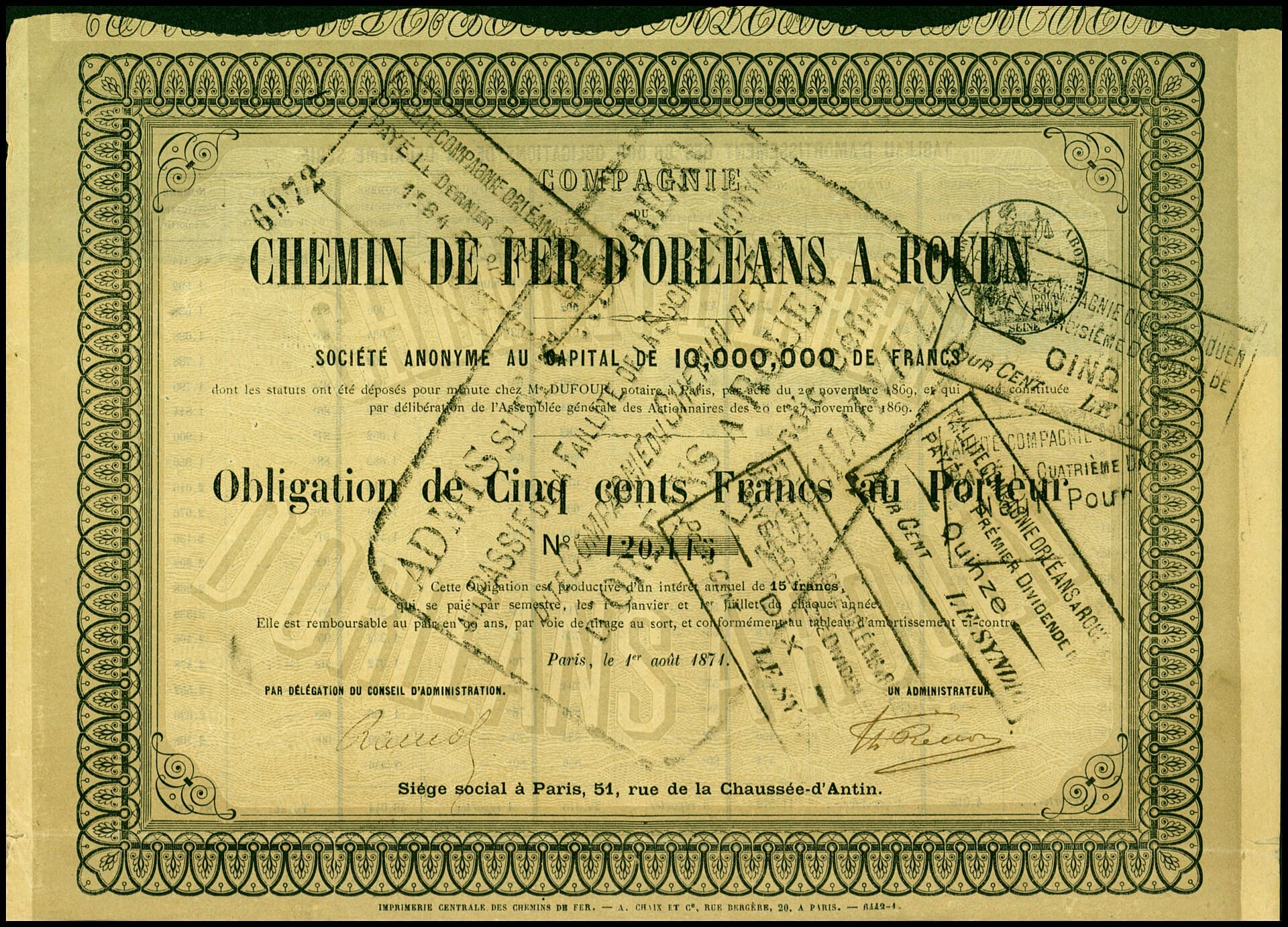
What is a bond — the loan where you are the bank
When you buy a bond, you lend money to a state or company and receive interest. In short, how it works.

The mortgage — how you buy a house with the bank's money
The biggest loan in most people's lives. How a mortgage works and what to watch for.
What is leasing — use now, pay over time
Cars, machinery, equipment: leasing gives you access without buying outright. How it works.
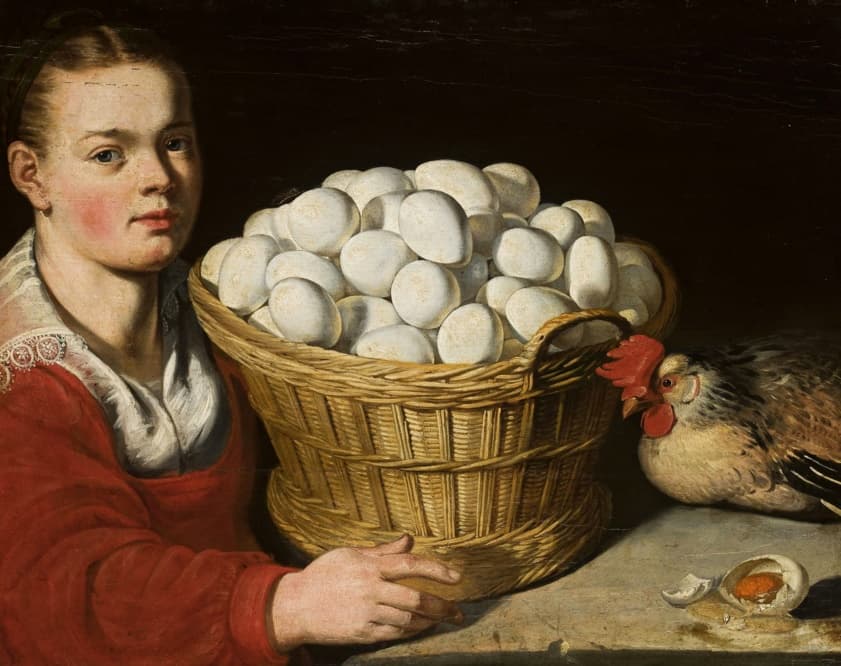
Don't put all your eggs in one basket — the power of diversification
The oldest investing rule, explained simply: spreading risk protects you from disaster.
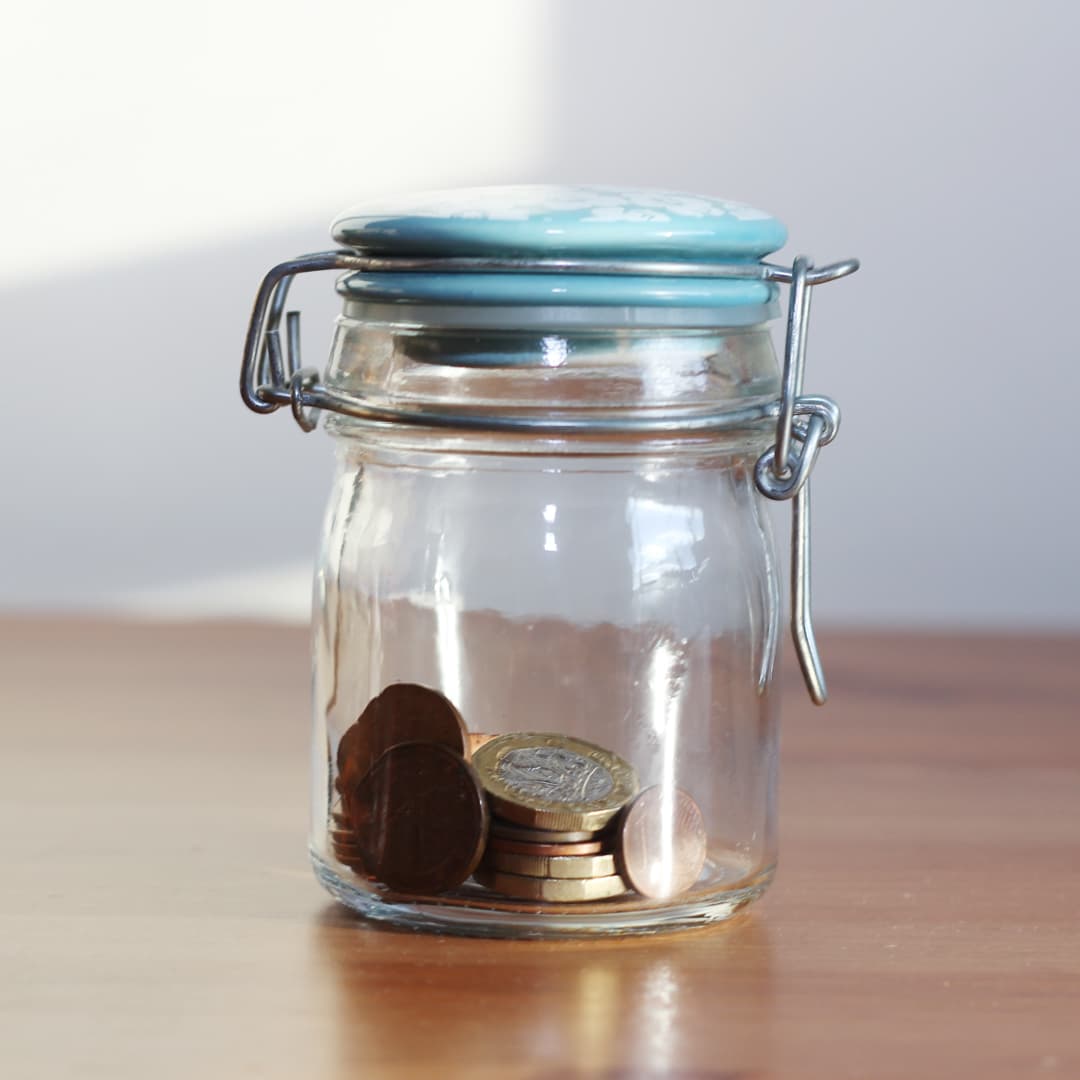
The emergency fund — your safety net
Money set aside for rainy days. The most reassuring financial habit you can build.
The credit score — your financial reputation
Banks remember whether you paid your debts on time. How credit history works and why it matters.
Credit card vs debit card — what's the difference
They look the same, but work completely differently. One spends your money, the other the bank's.

Phishing and fraud — how to protect your money online
Most money stolen today isn't taken at gunpoint, but with a fake message. How to spot the traps.
APR — the one number that tells you what a loan really costs
The advertised interest often hides fees. APR rolls them all into one comparable percentage.
Pay yourself first — the secret of those who save
Most people save what's left at month's end — and nothing's left. Flip the order.
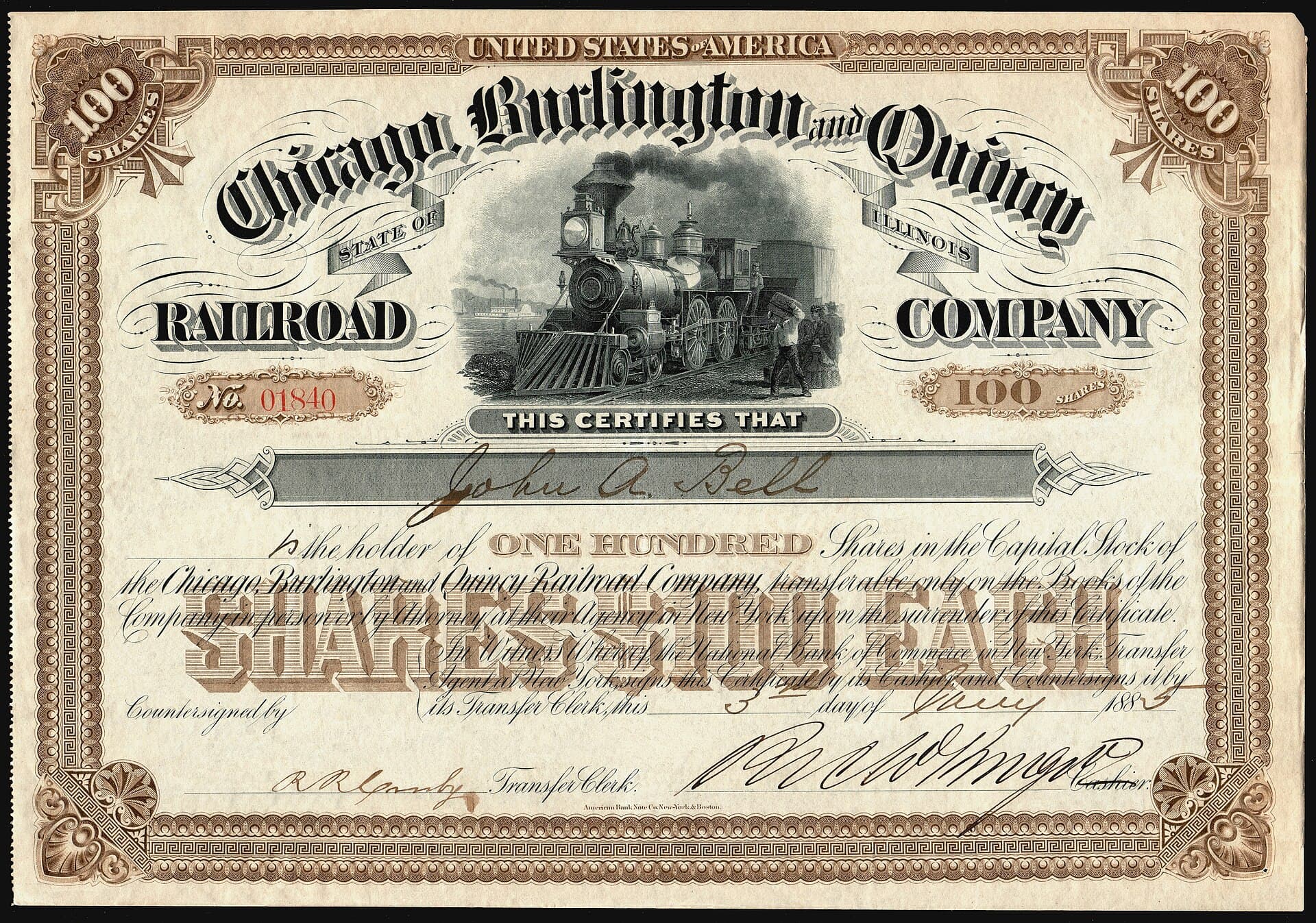
What is a share — and what is a dividend
A share is a tiny piece of a company. If the company does well, it can pay you part of the profit: the dividend.
The dollar — how it became the world's currency
More than half of world trade is done in dollars. How a single currency became so powerful.
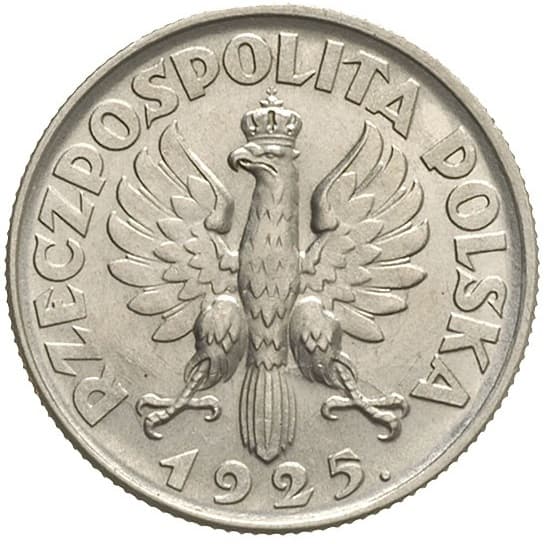
The Polish zloty — "the golden one"
The name of Poland's currency literally means "golden", a memory of when money was precious metal.
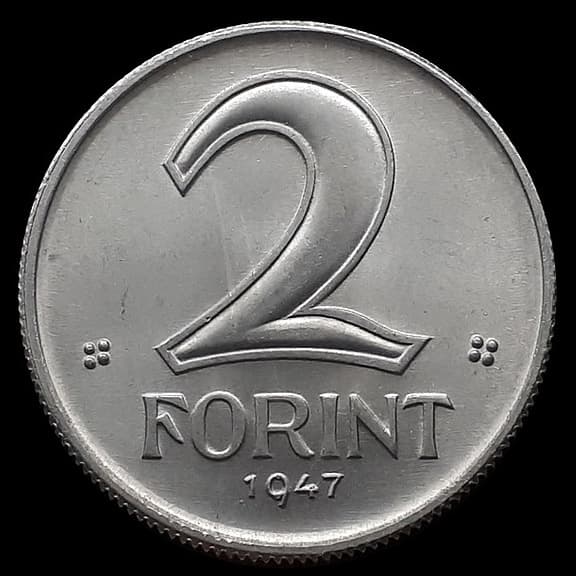
The forint — the currency born from the worst inflation
After the pengő collapsed in 1946, Hungary created the forint, which brought stability again.
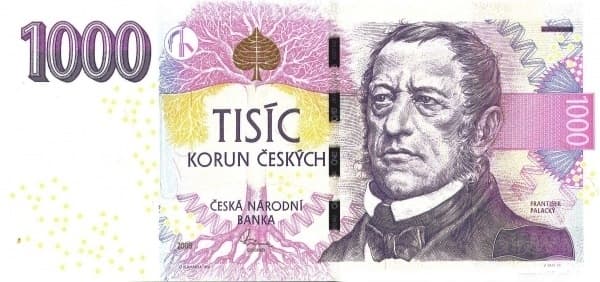
The Czech koruna — heir of the thaler
The name "crown" is used by many European currencies and recalls the time of kings who minted coins.
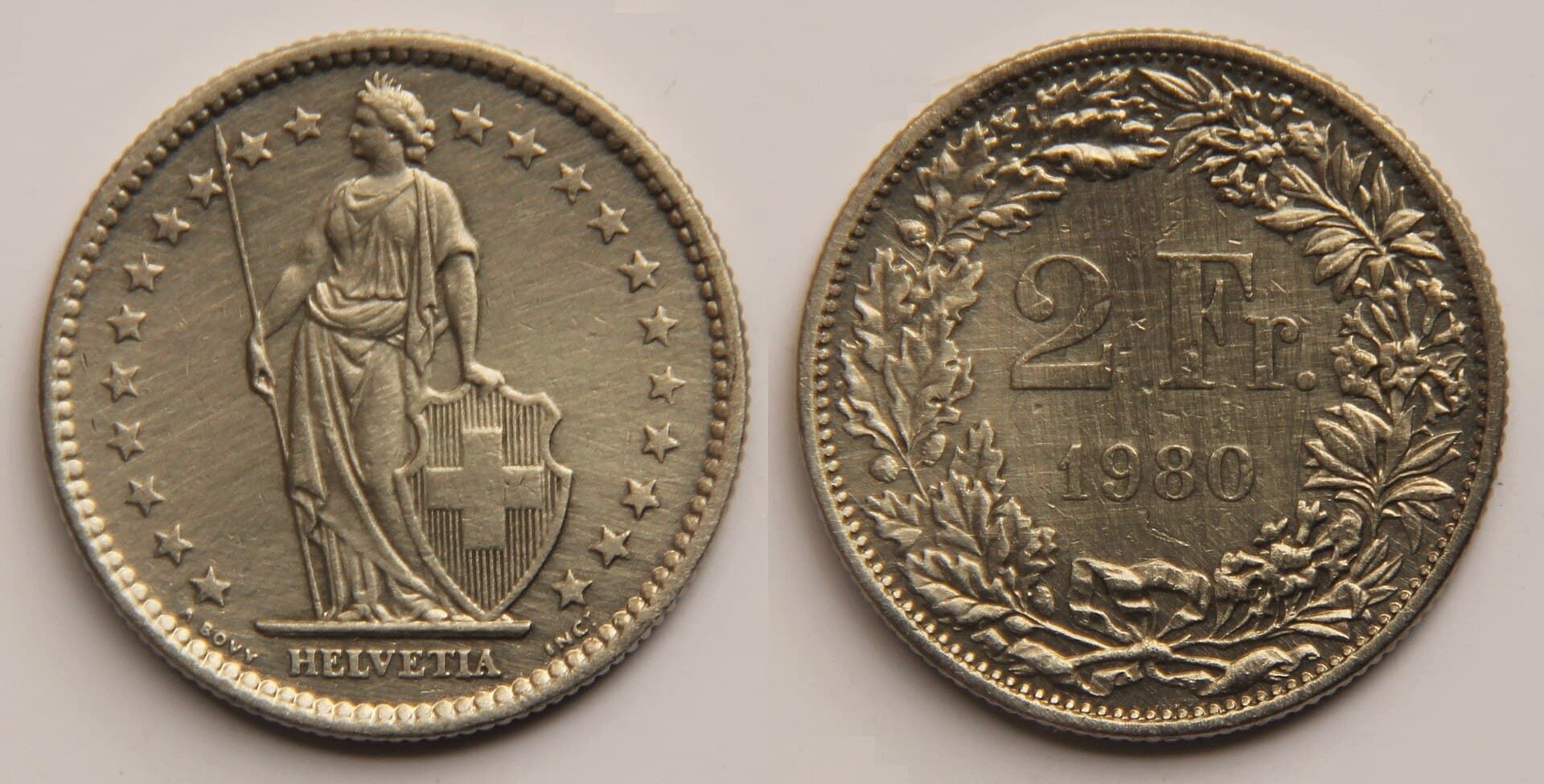
The Swiss franc — the trusted safe haven
When the financial world shakes, money flees to the Swiss franc. Why it's seen as the safest currency.
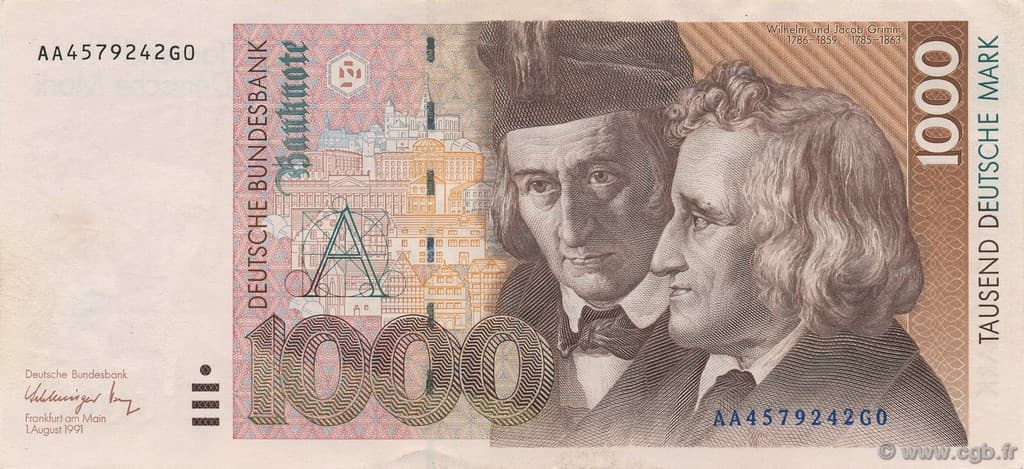
The German mark — the currency of postwar pride
From the ruins of war, the German mark became a symbol of stability and the economic miracle.
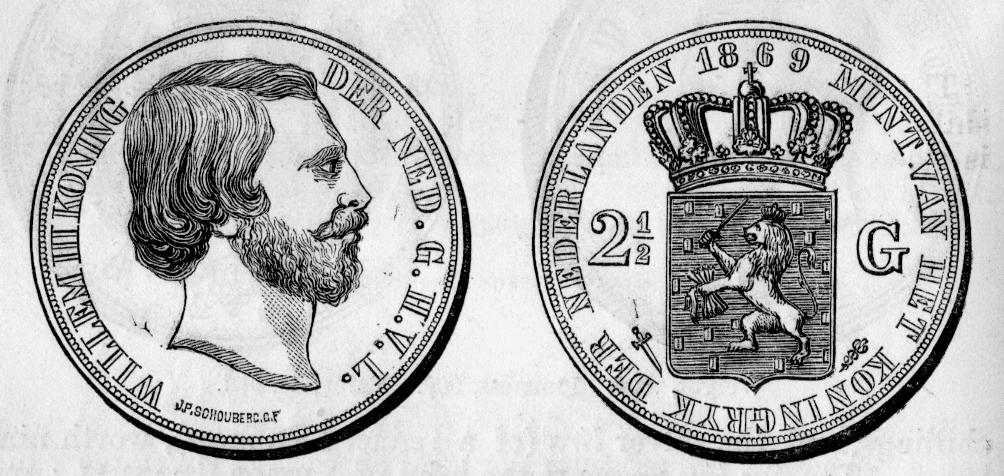
The guilder — money of the Dutch Golden Age
With the guilder in their pocket, Dutch merchants built the first global trading empire.
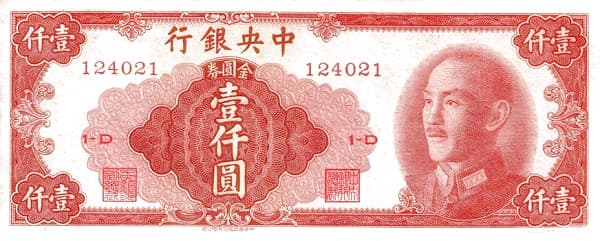
The yuan — currency of the oldest monetary civilization
China invented paper money and some of the first coins. Today the yuan wants a seat next to the dollar.
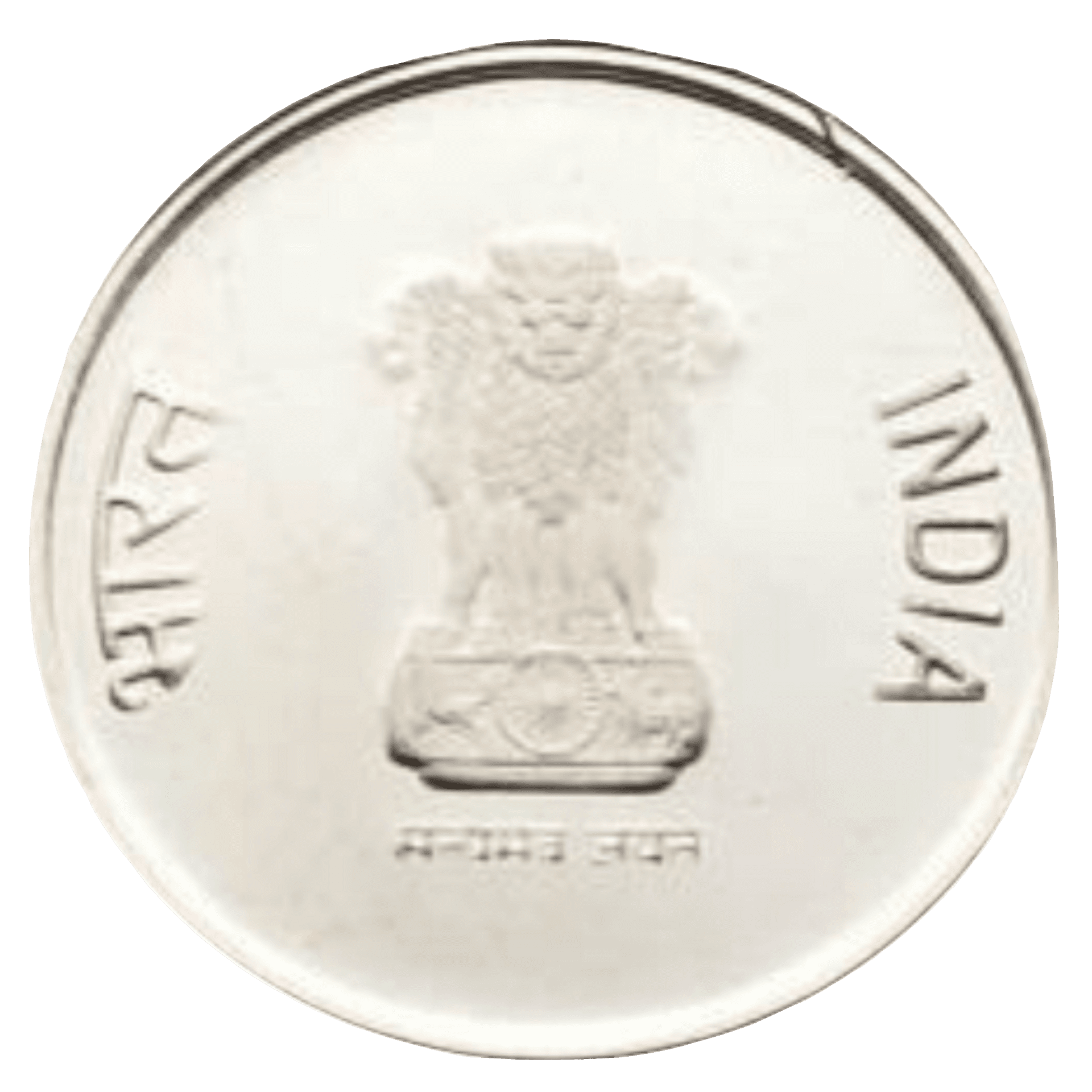
The rupee — silver of the subcontinent
One of the oldest currencies still in use, the rupee circulated from India to East Africa.
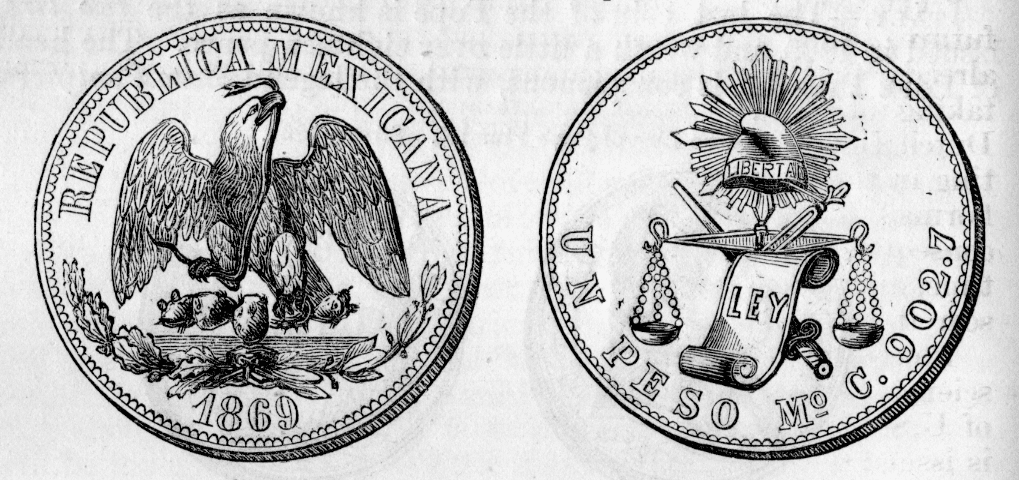
The peso — heir of the "piece of eight"
The Mexican peso descends directly from the famous Spanish silver real that was the first truly global coin.
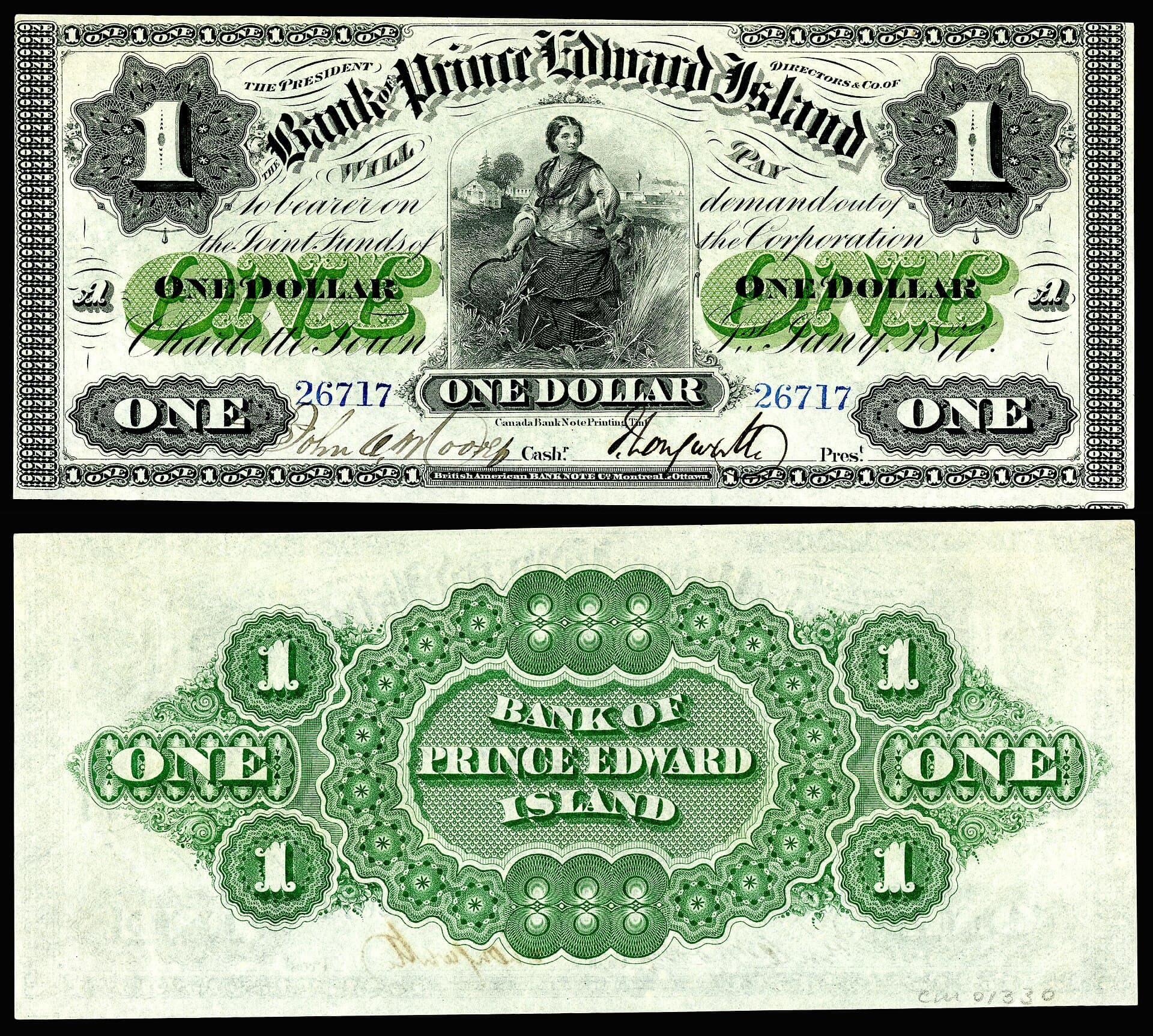
The Canadian dollar — the "loonie" and northern gold
Canada's currency, nicknamed the "loonie" after the bird on it, is closely tied to the country's natural wealth.
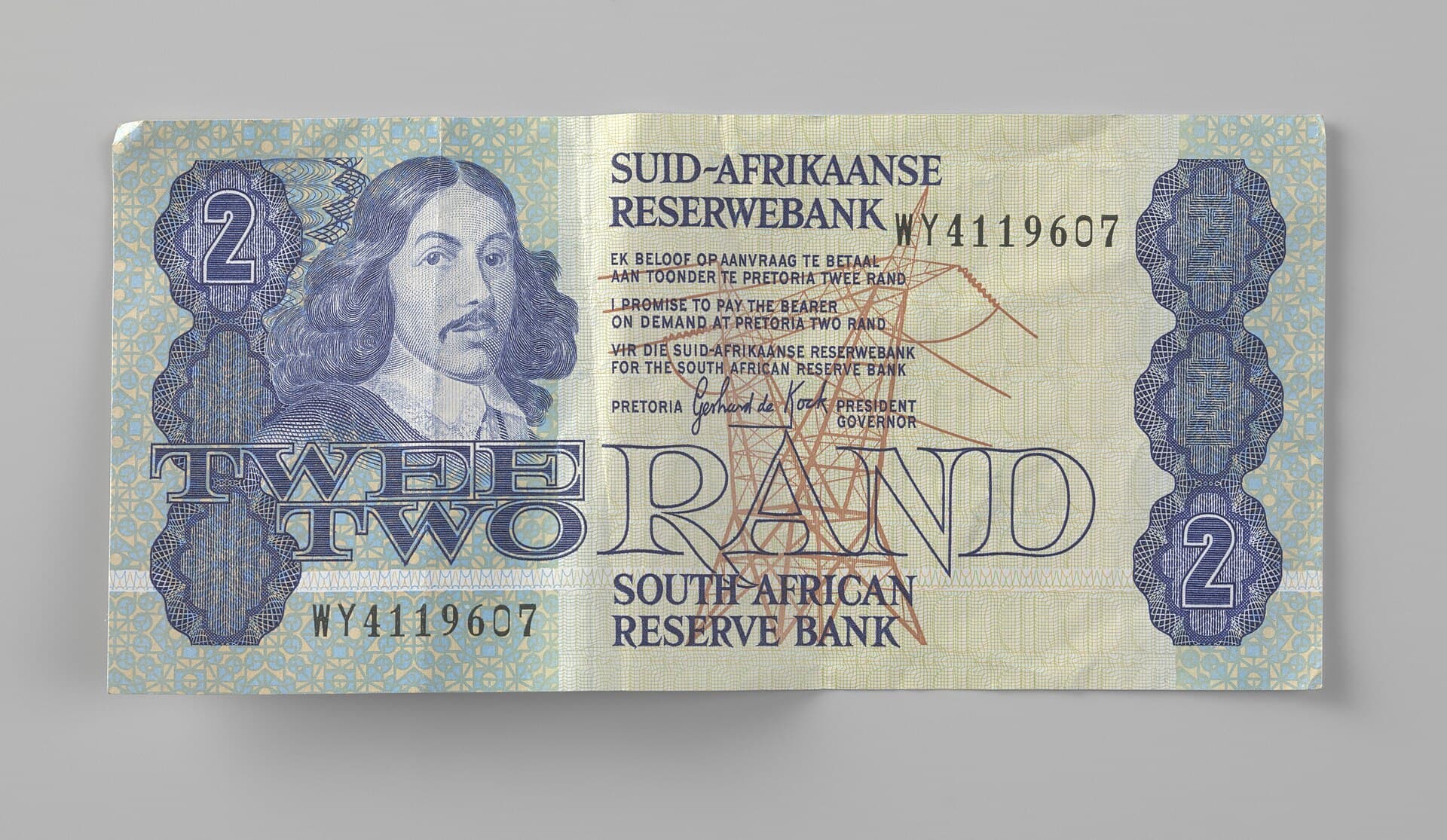
The rand — currency of the country of gold
Named after the Witwatersrand ridge, where the most gold in history was found, the rand carries gold's story.
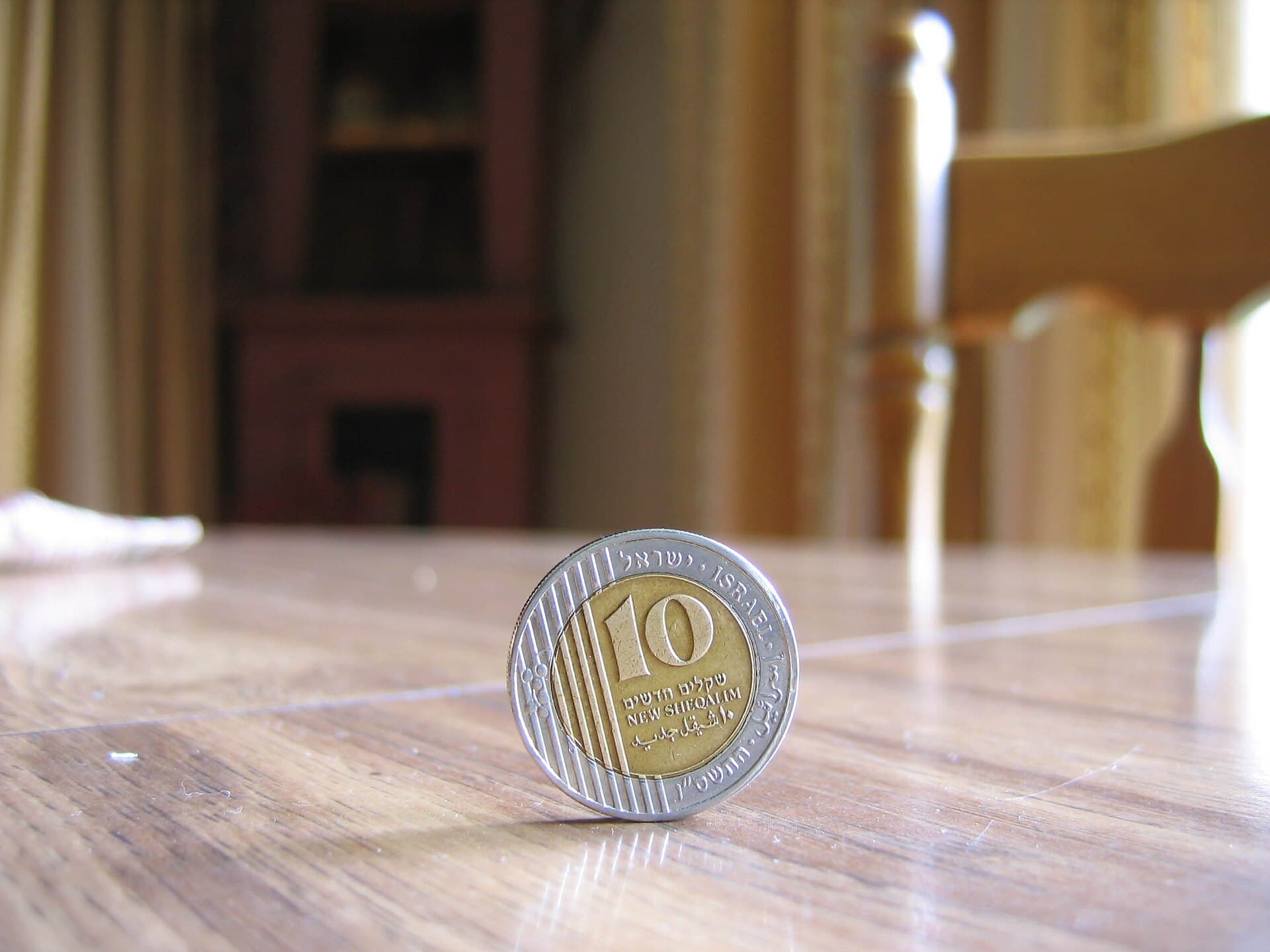
The shekel — from an ancient weight to a modern currency
The name of the shekel's newest form is among the oldest words for money in history.
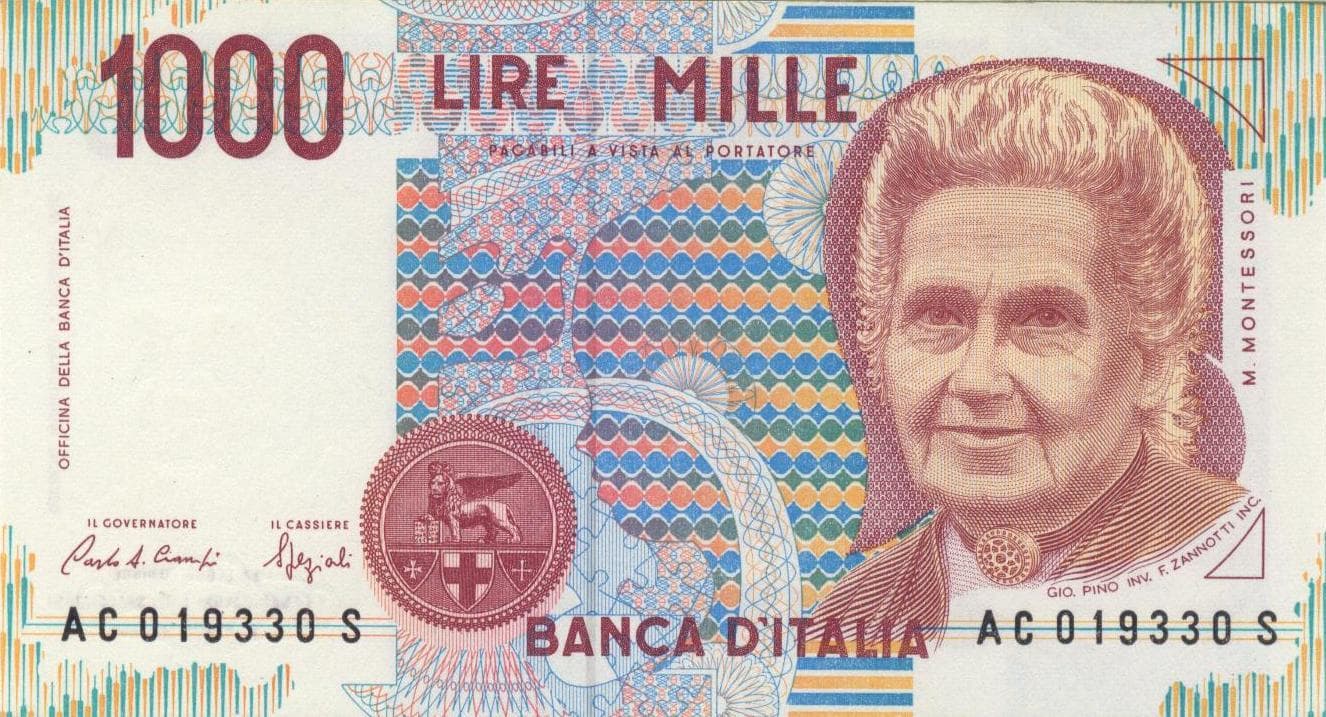
The Italian lira — millions for a coffee
Before the euro, Italians counted in thousands and millions of lire. A currency of big numbers and charm.
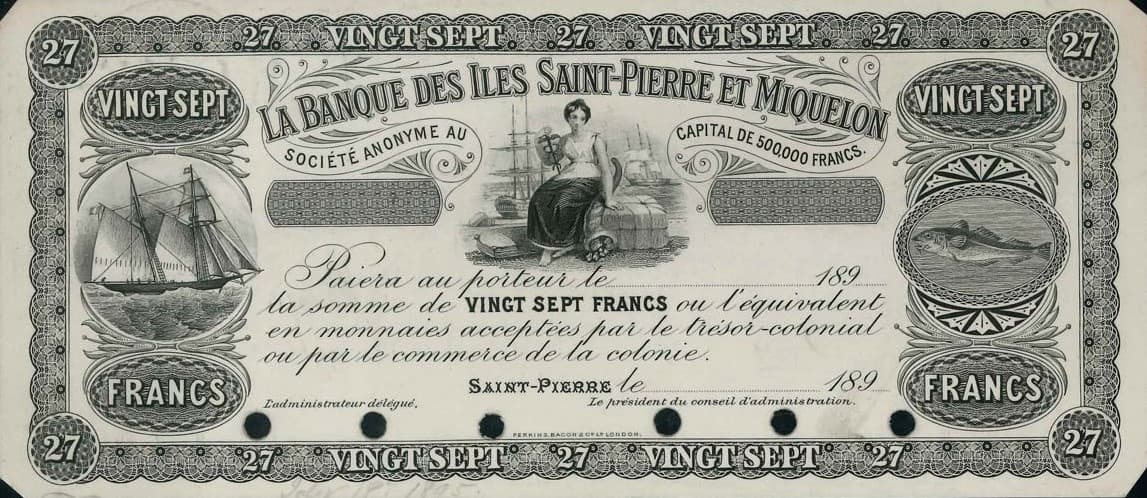
The French franc — currency of revolutions
From the kings of France through the Revolution to the euro, the franc crossed centuries of turbulent history.
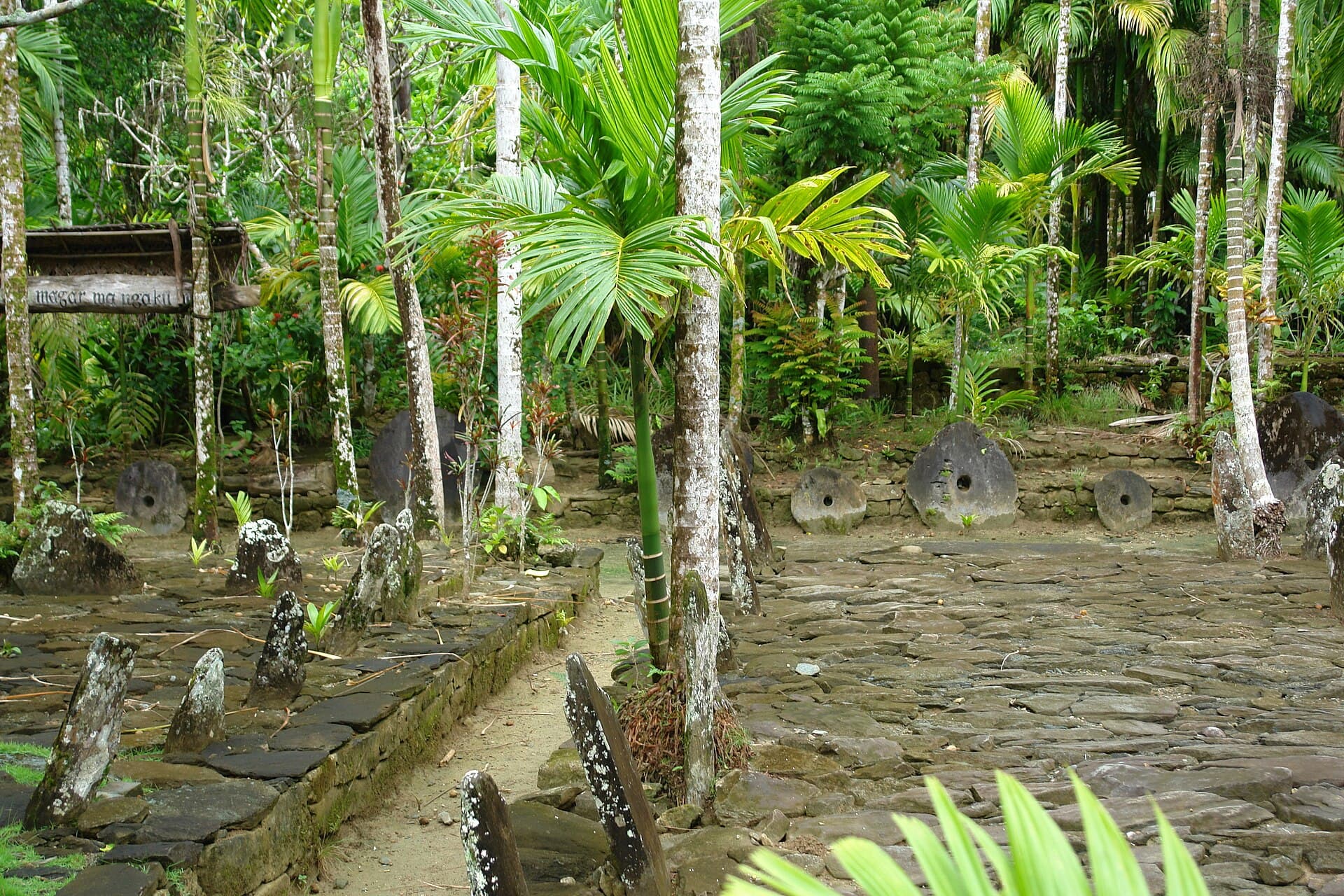
The stone money of Yap — the heaviest money in the world
On a Pacific island, people used stone discs as big as cartwheels for money. And it worked.
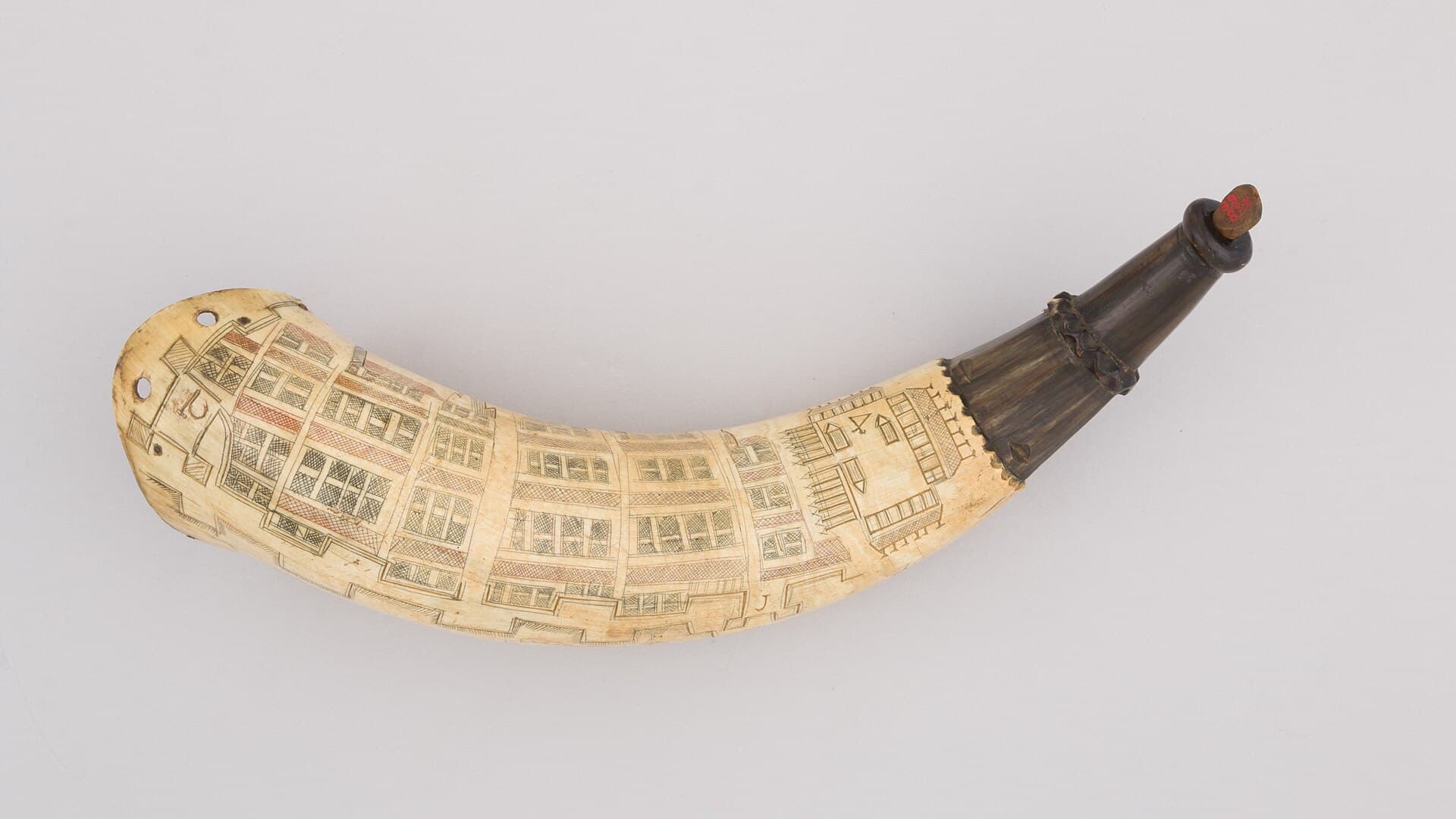
Wampum — the shell money of America
Beads crafted from shells bound Native American tribes through trade, treaties and memory.
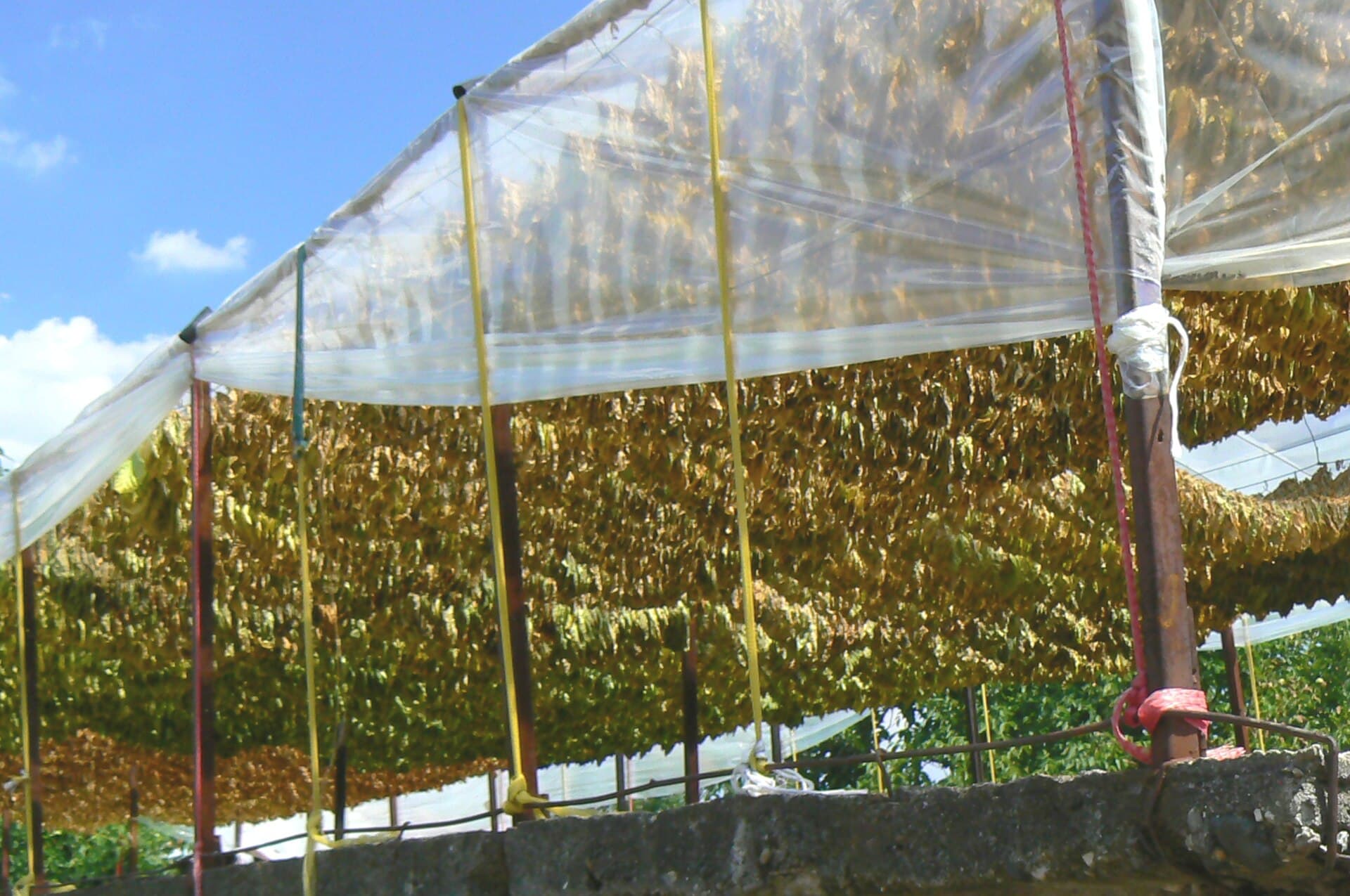
Tobacco — the money of colonial Virginia
In the American colonies, people paid taxes, debts and even brides in tobacco leaves.
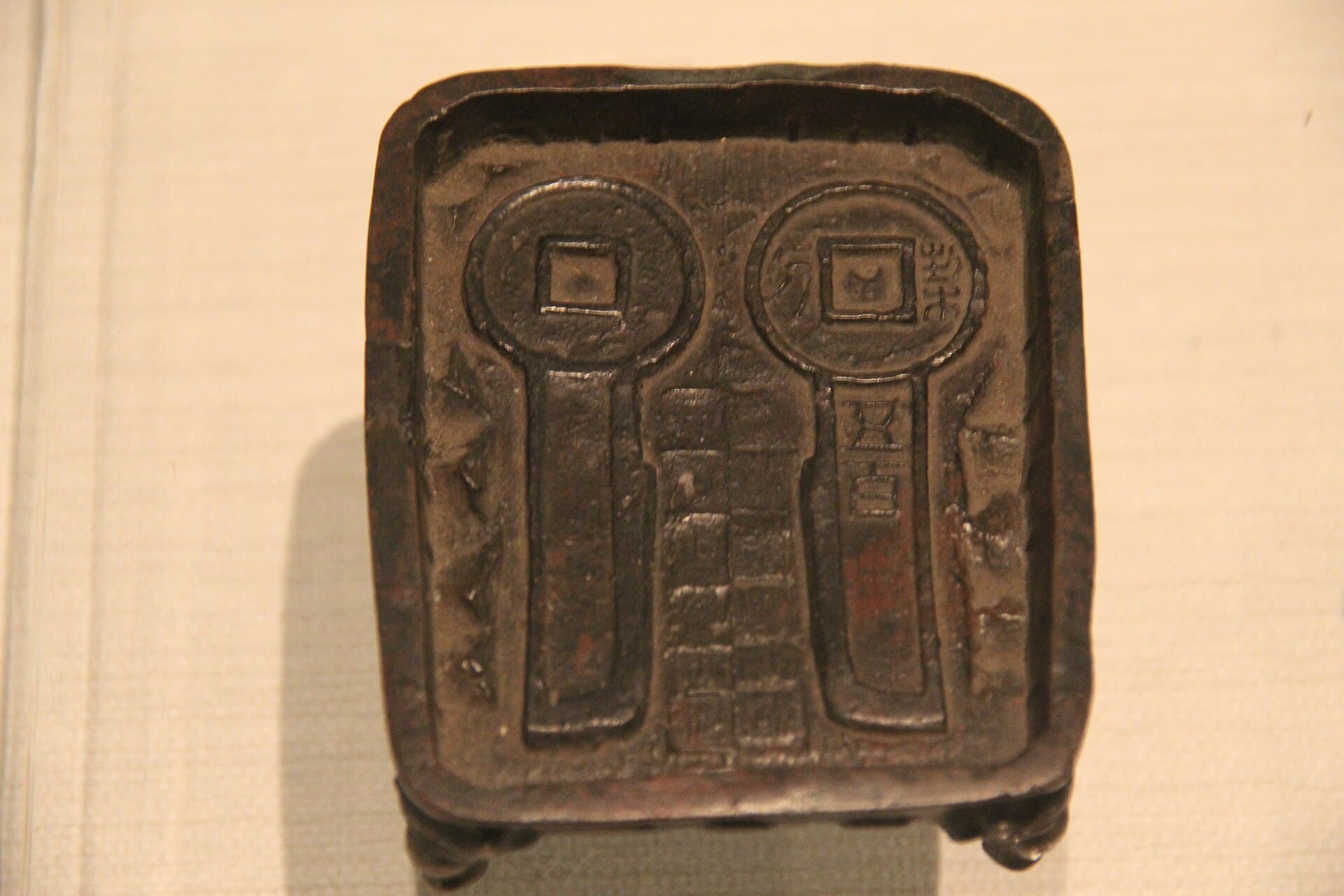
The knife and spade money of ancient China
Before round coins, the Chinese used money shaped like tools: small bronze knives and spades.
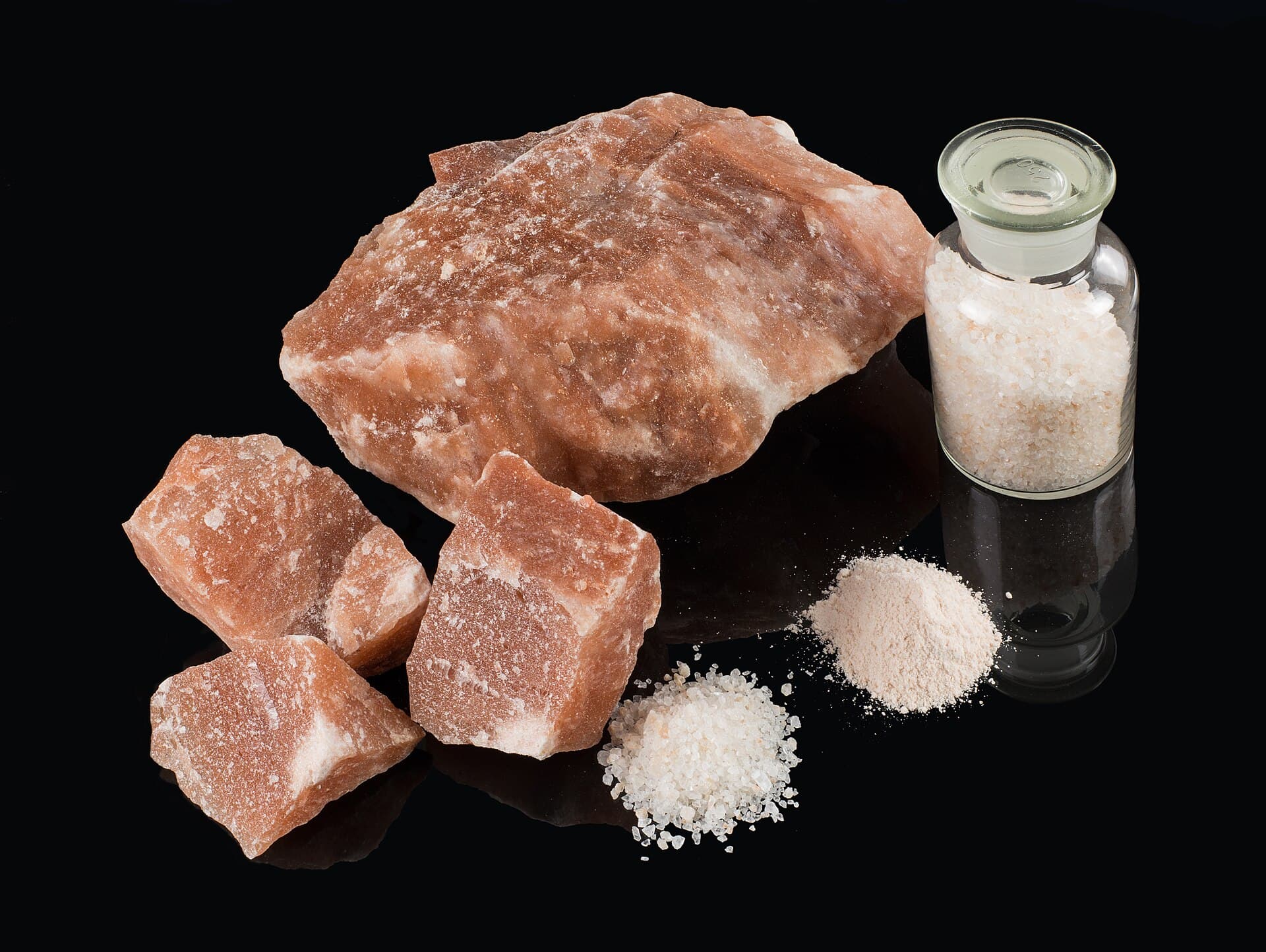
Amole — the salt bars that were money in Ethiopia
Until the 20th century, in Ethiopia people paid with salt bars cut to standard sizes.
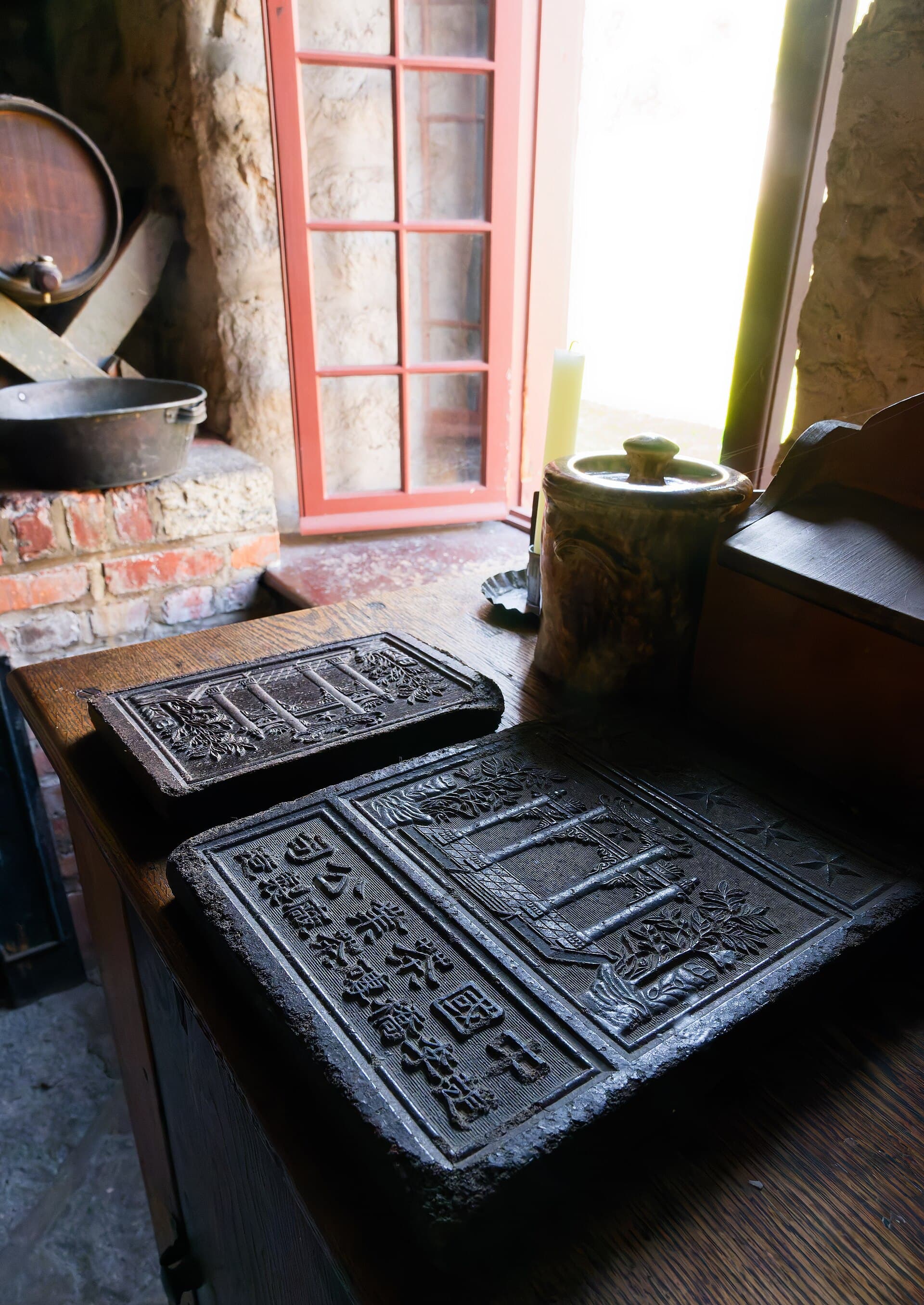
The tea brick — the compressed money of Asia
On the roads of Central Asia and Tibet, tea pressed into bricks was both a drink and a currency.
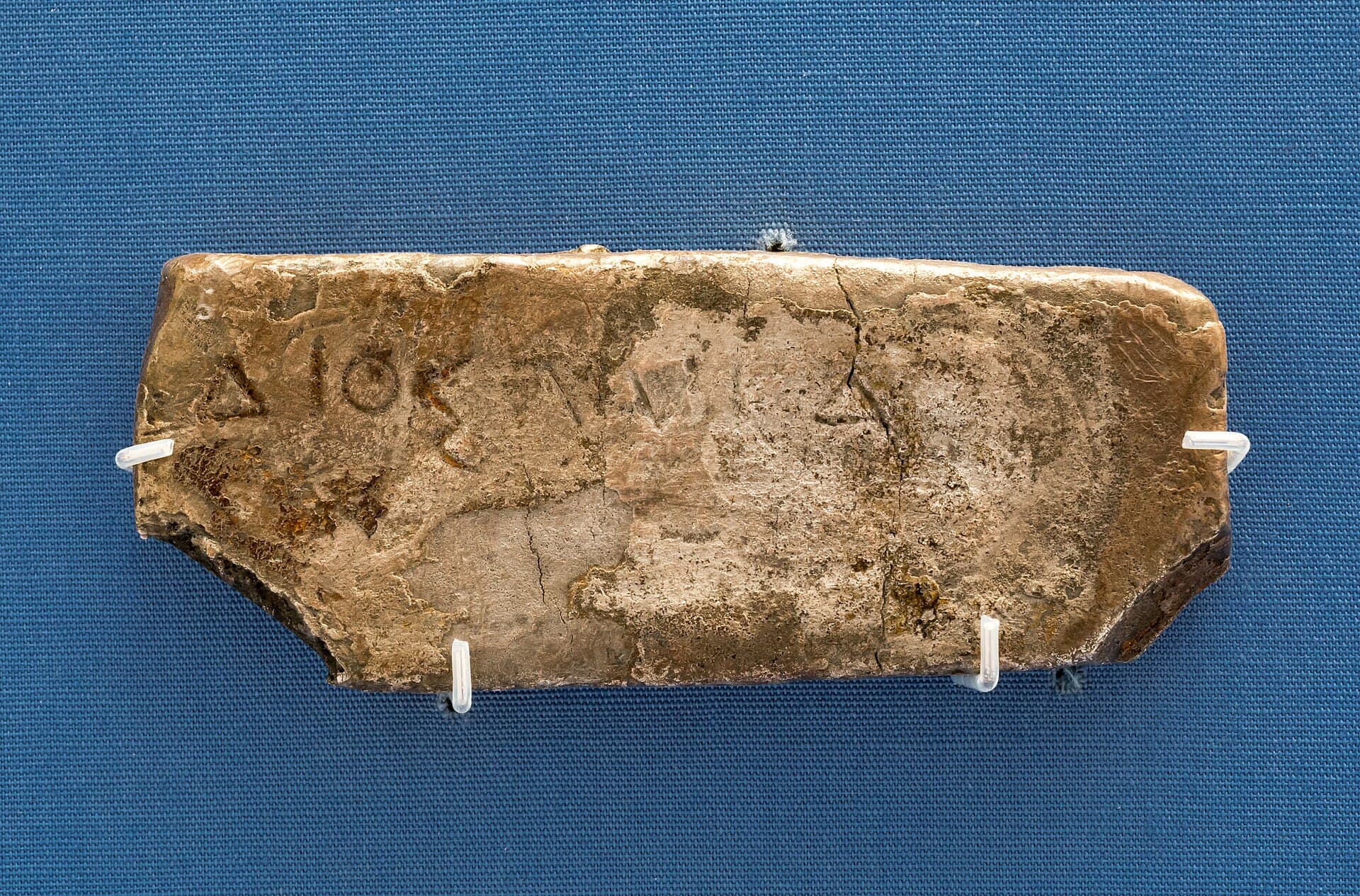
The talent — the money of the biblical parables
When the Bible speaks of "talents", it refers to a huge unit of weight in silver or gold.
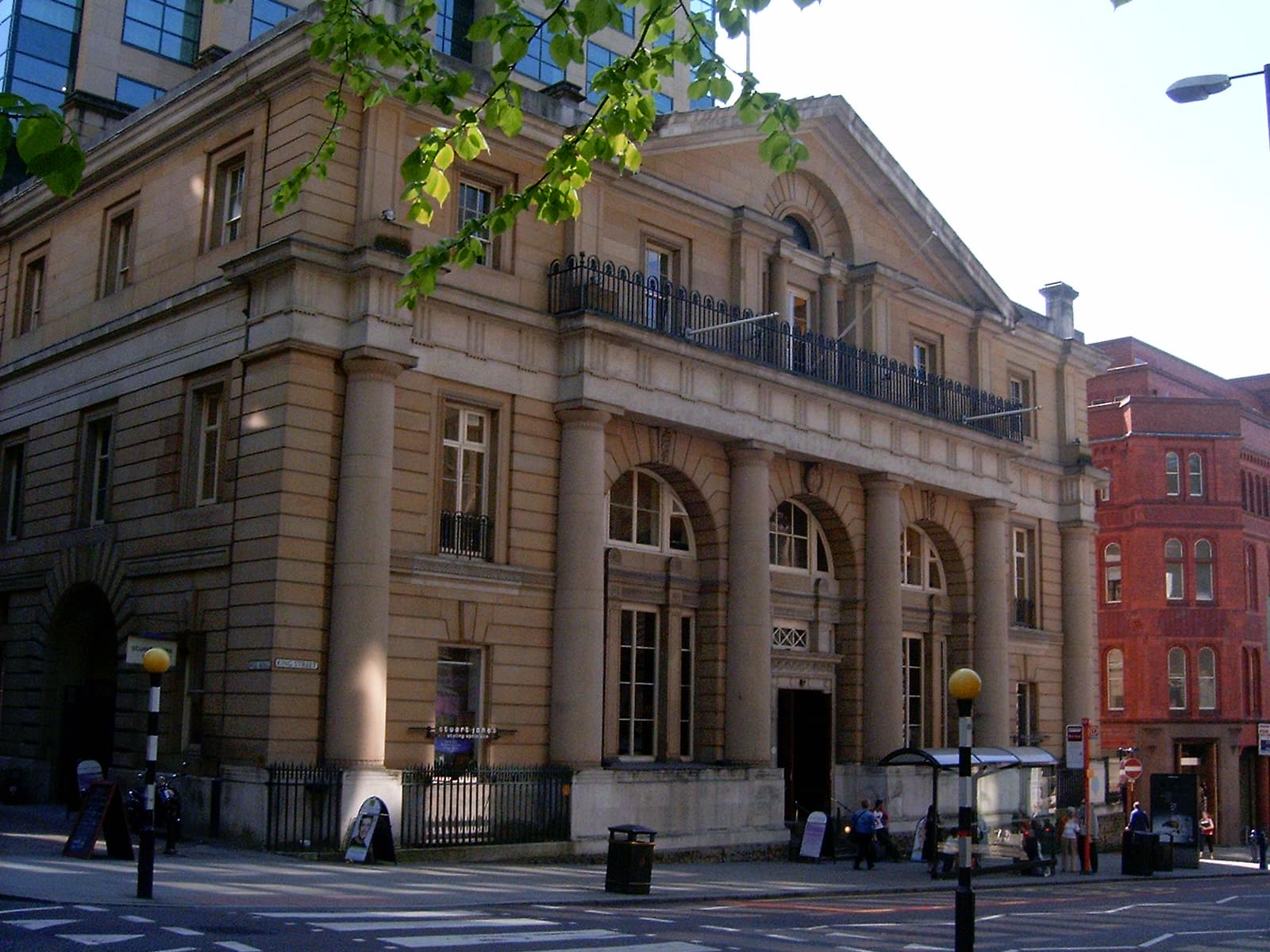
The Bank of England — the model of the modern central bank
Founded in 1694 to fund a war, it became the model on which the world's central banks were built.
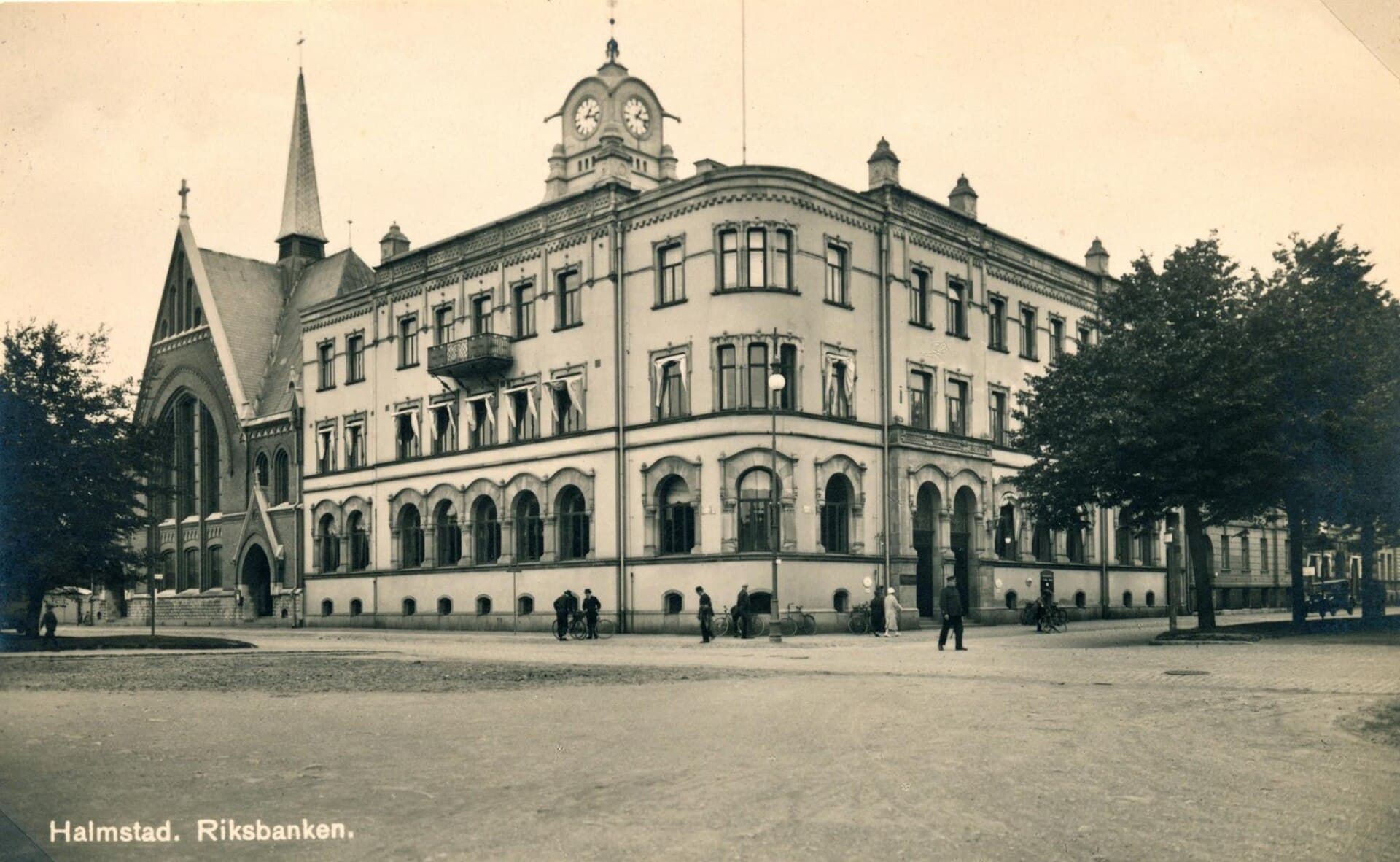
Riksbank — the world's oldest central bank
Sweden's central bank, founded in 1668, is older than the Bank of England and still operating.
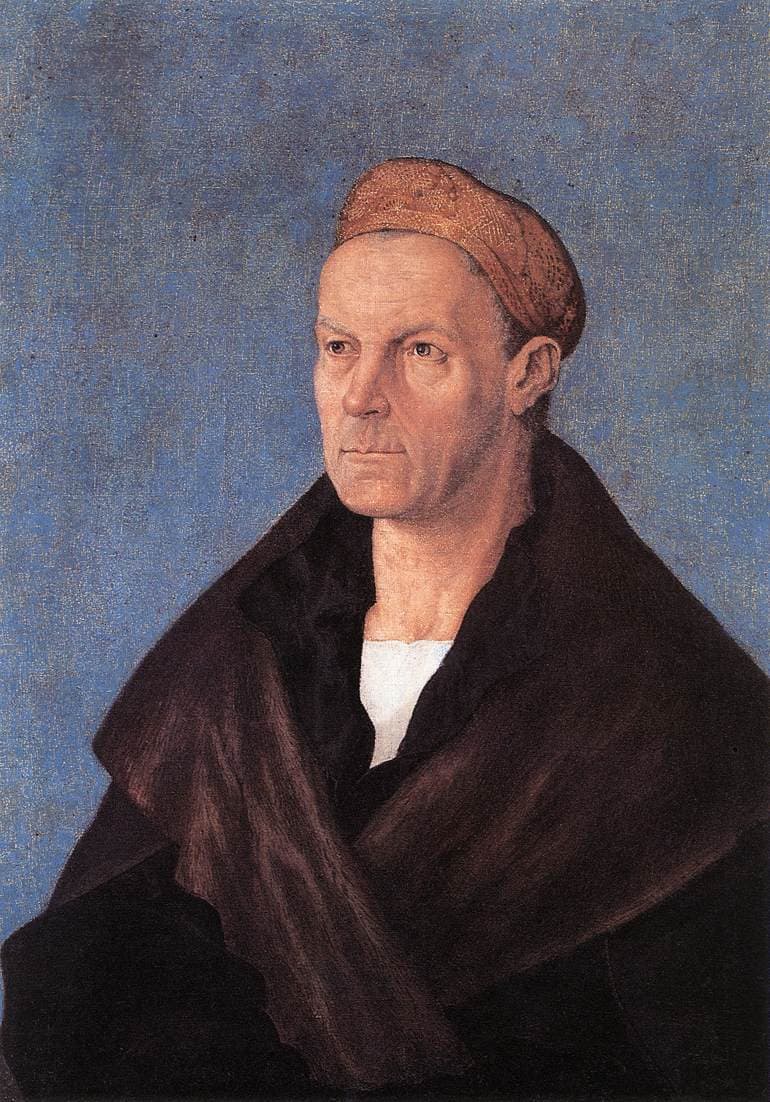
The Fuggers — the bankers who made and unmade emperors
A family of merchants from Augsburg grew so rich they lent to kings and bought crowns.
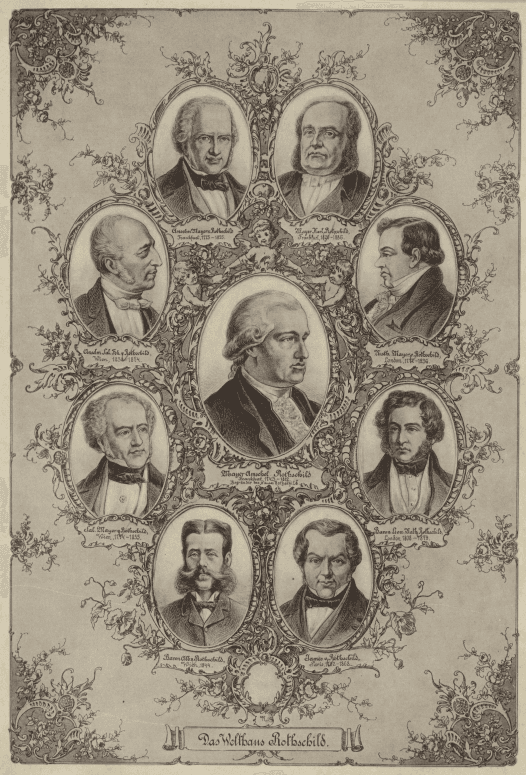
The Rothschilds — the dynasty that financed Europe
Five brothers sent to five cities created the first international banking network of the modern world.
The Templars — the monk-bankers of the Middle Ages
The Knights Templar invented a system where a pilgrim could "deposit" money in Paris and withdraw it in Jerusalem.
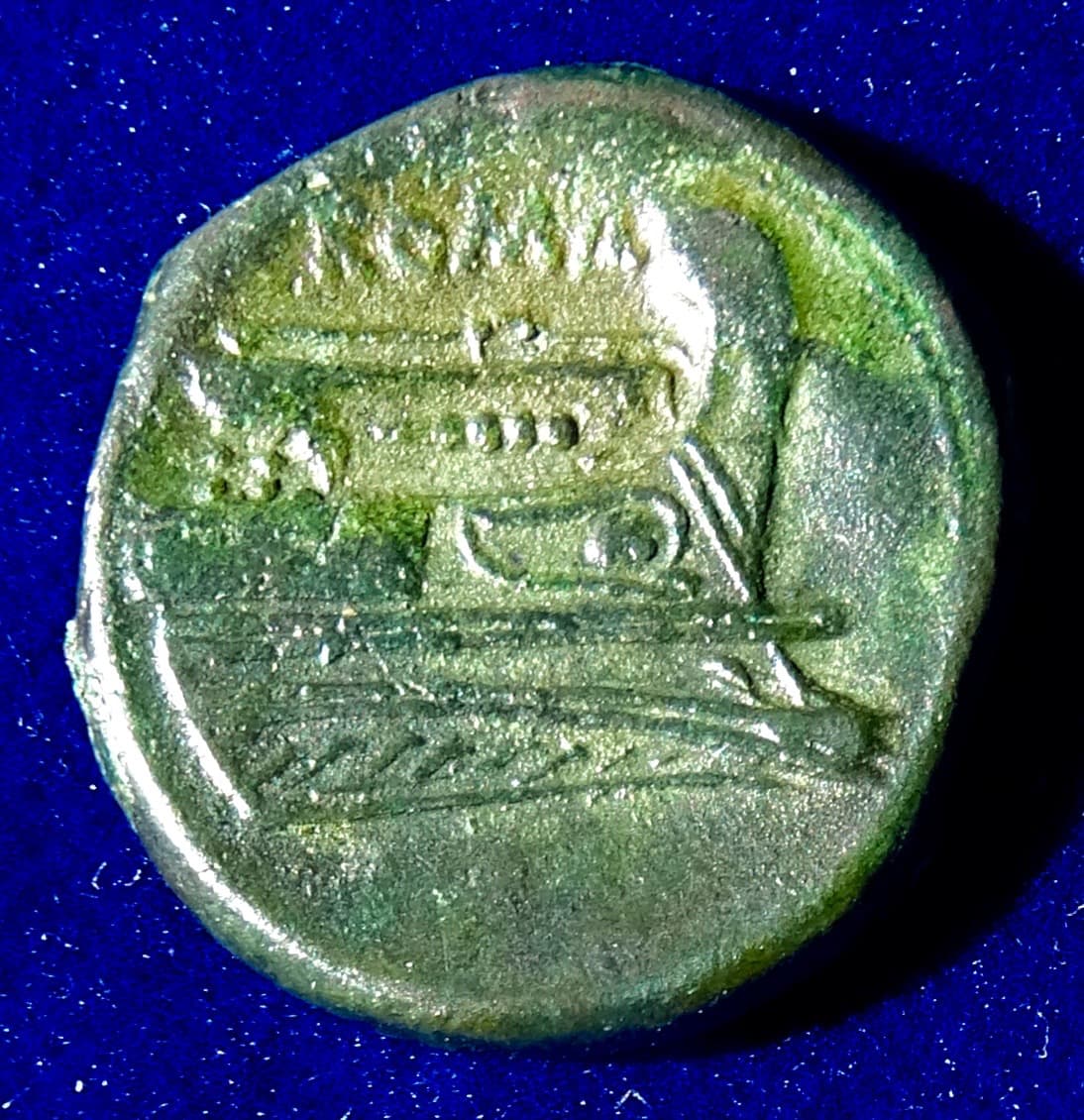
Aes grave — when Rome's money was weighed in kilos
Rome's first money wasn't thin coins, but heavy cast bronze ingots and discs.
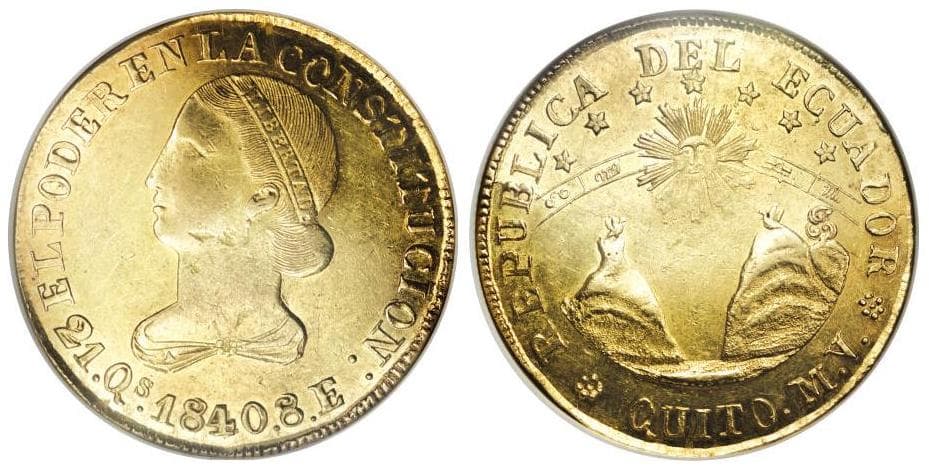
The gold doubloon — the pirate's treasure
The Spanish gold coin that filled galleon chests and the imagination of pirate tales.
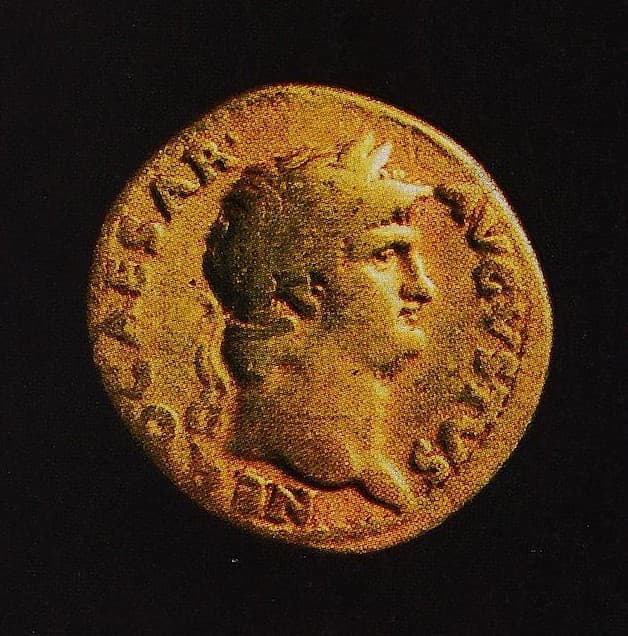
Aureus — the gold of the Roman emperors
The gold coin of imperial Rome carried the emperor's face to every corner of the known world.
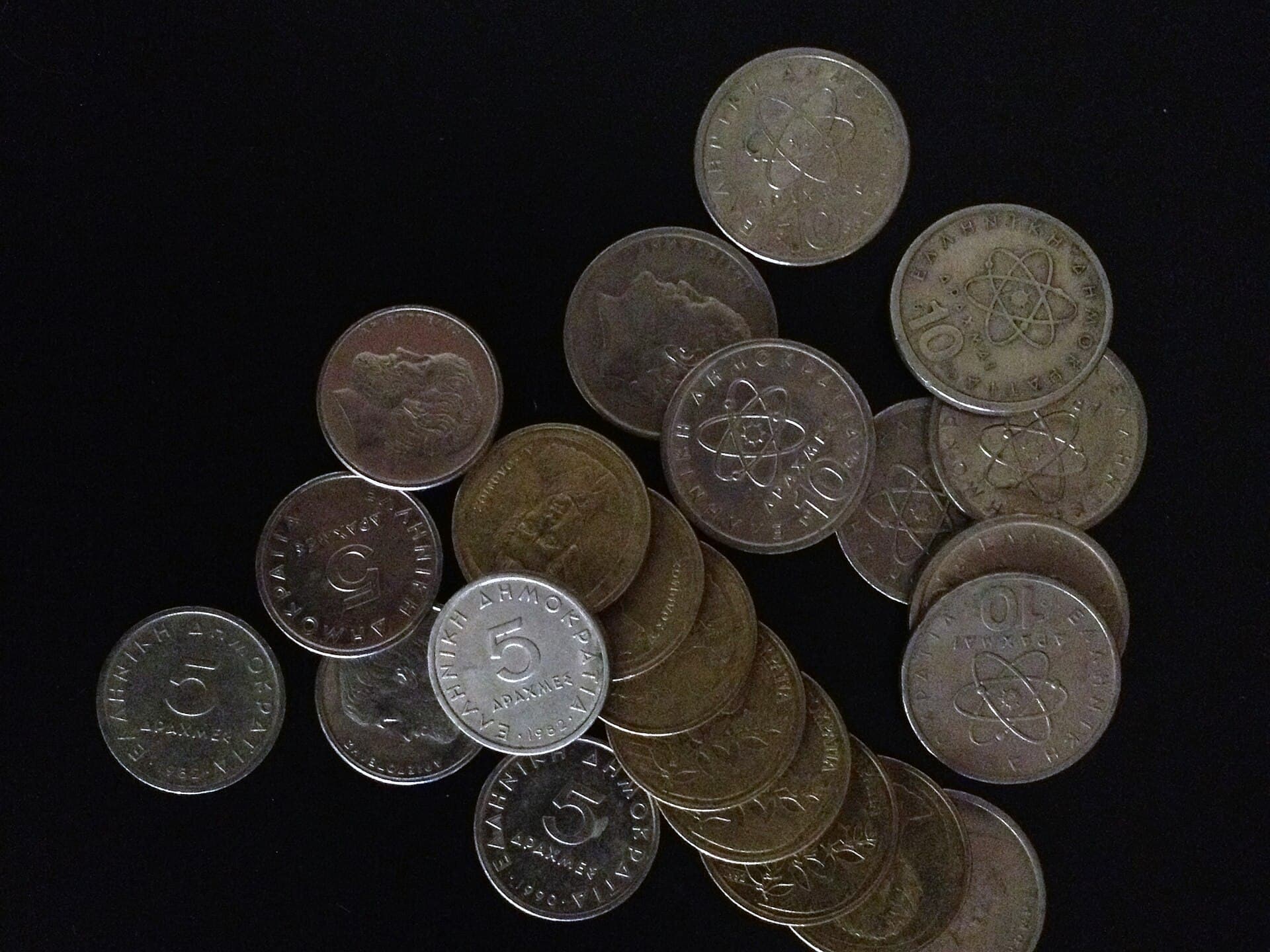
The drachma — from antiquity to the euro
Greece used the drachma from ancient coins until 2002, one of the oldest currency names in the world.
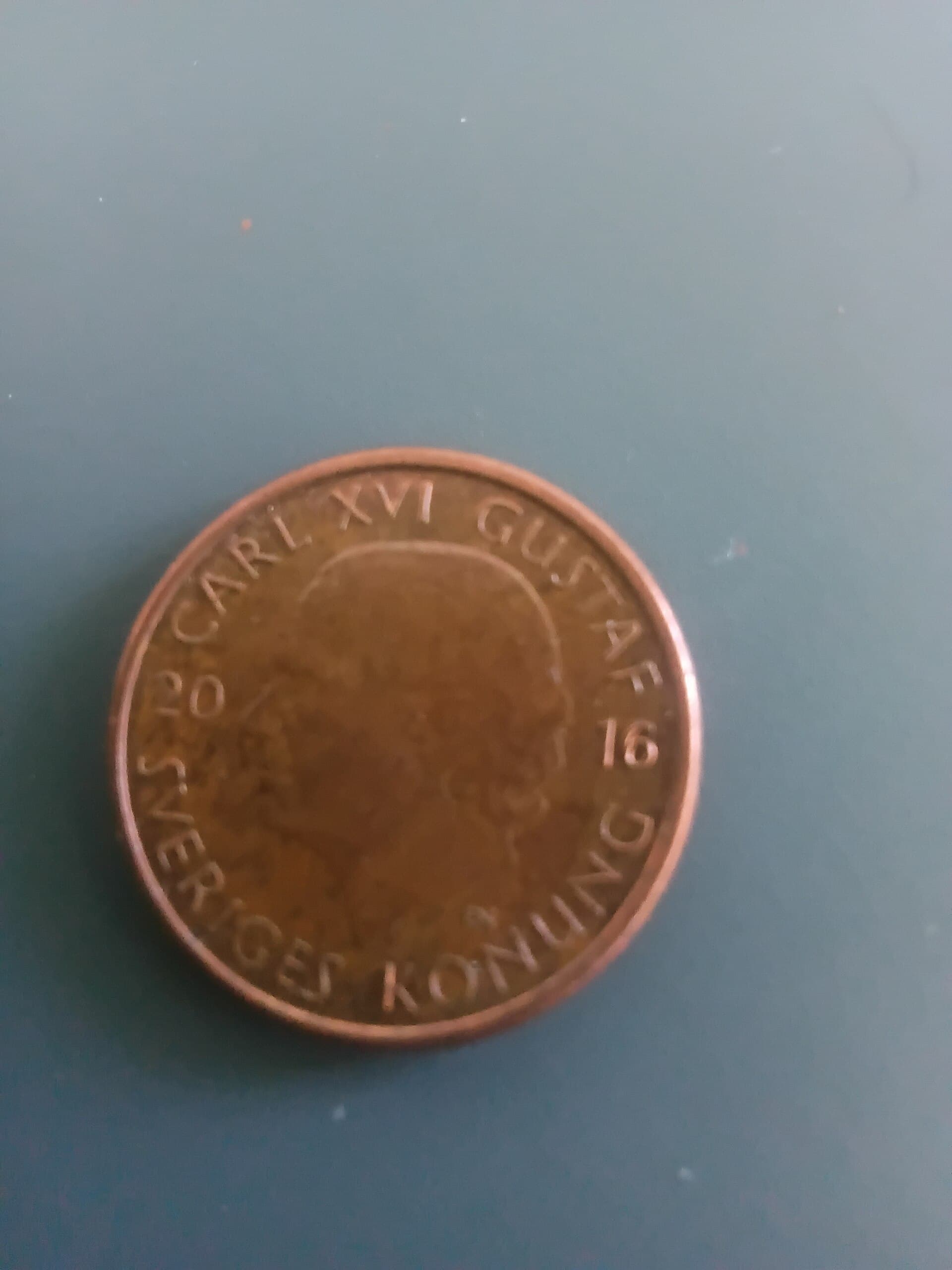
The Swedish krona — money of a near-cashless country
Sweden, one of the first countries to print banknotes, is today one of the first to abandon cash.
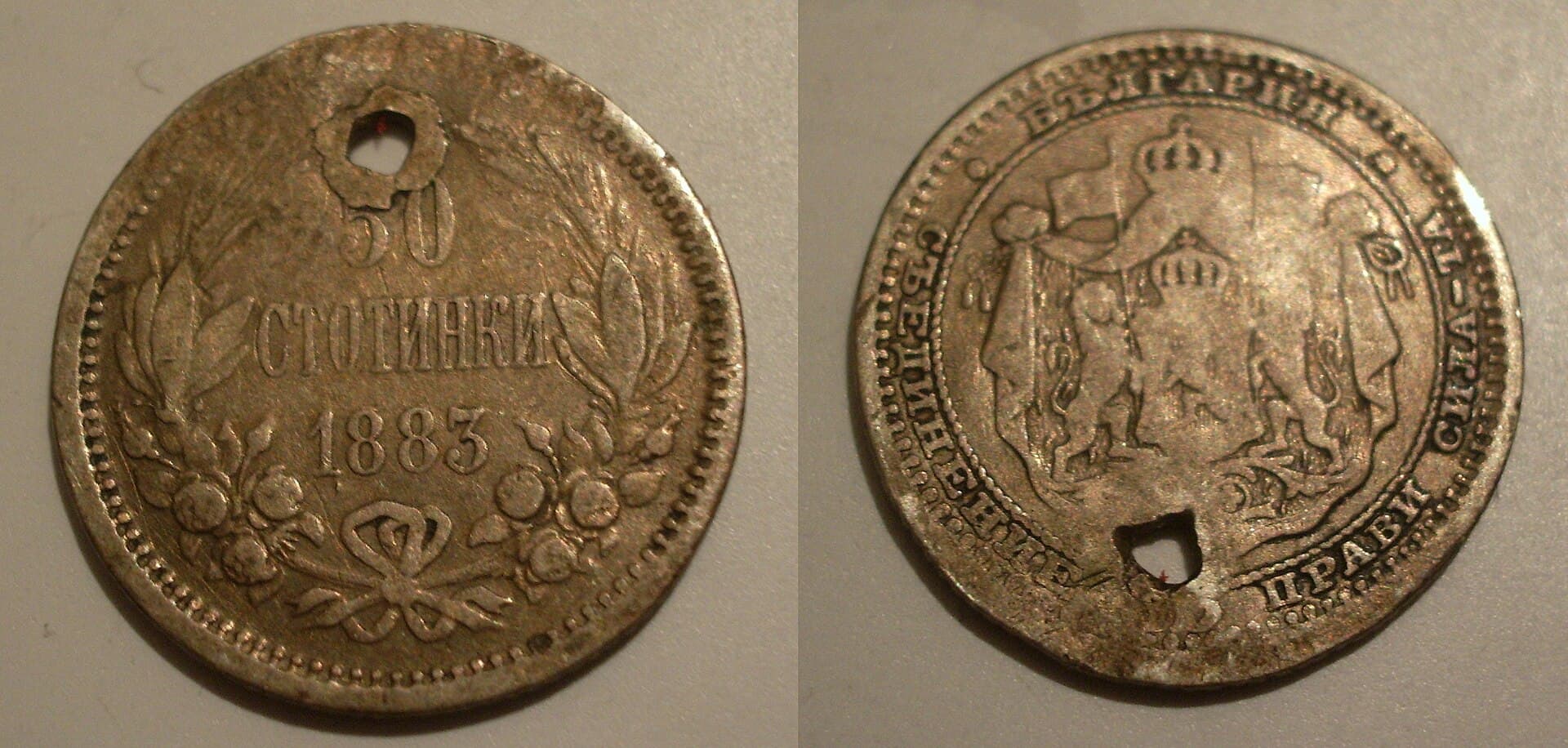
The lev — the "lion" across the Danube
Like the Romanian leu, Bulgaria's currency is named after lions. Two neighbors, the same inspiration.
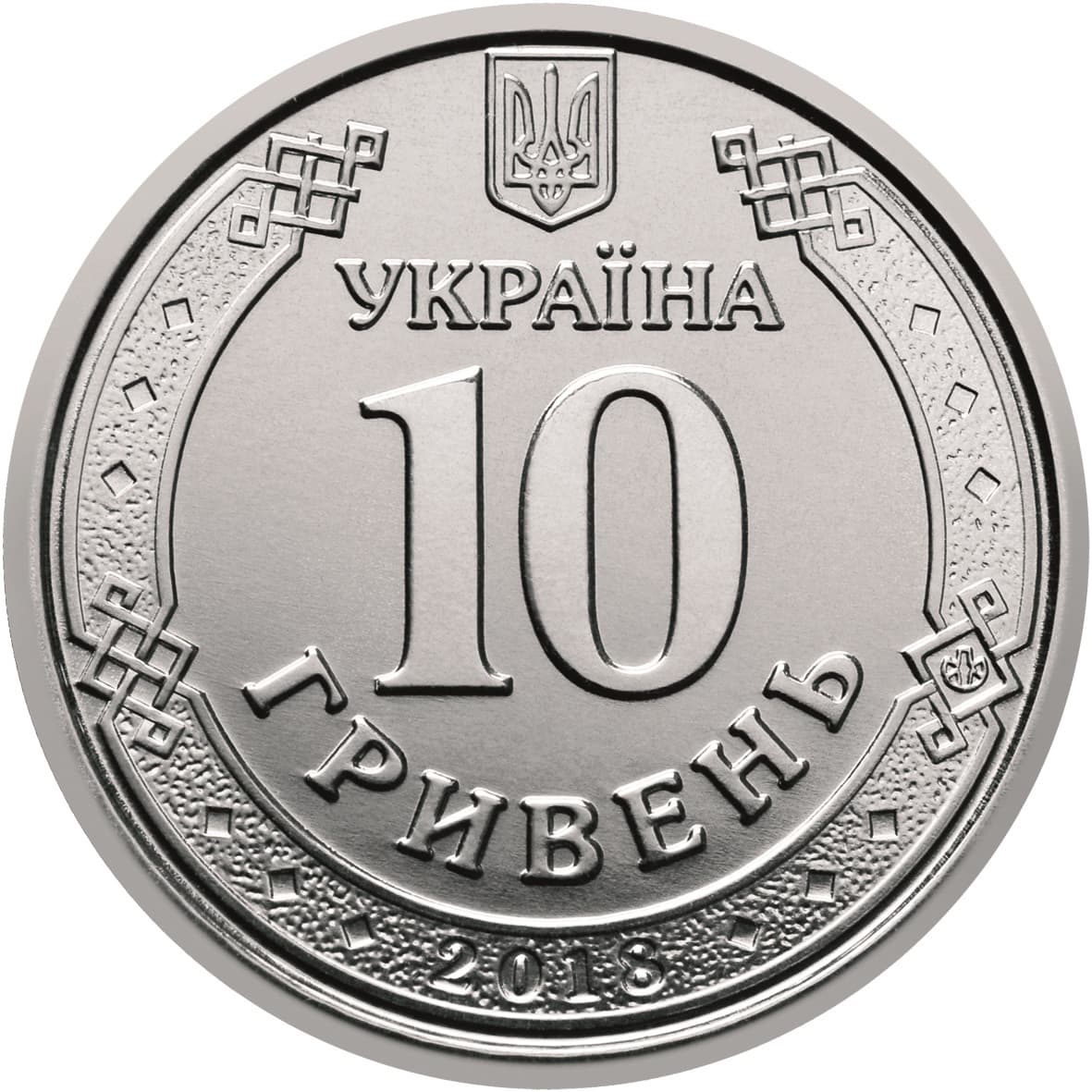
The hryvnia — a currency rooted in Kievan Rus
The name of Ukraine's currency comes from a silver unit used a thousand years ago in Kievan Rus.
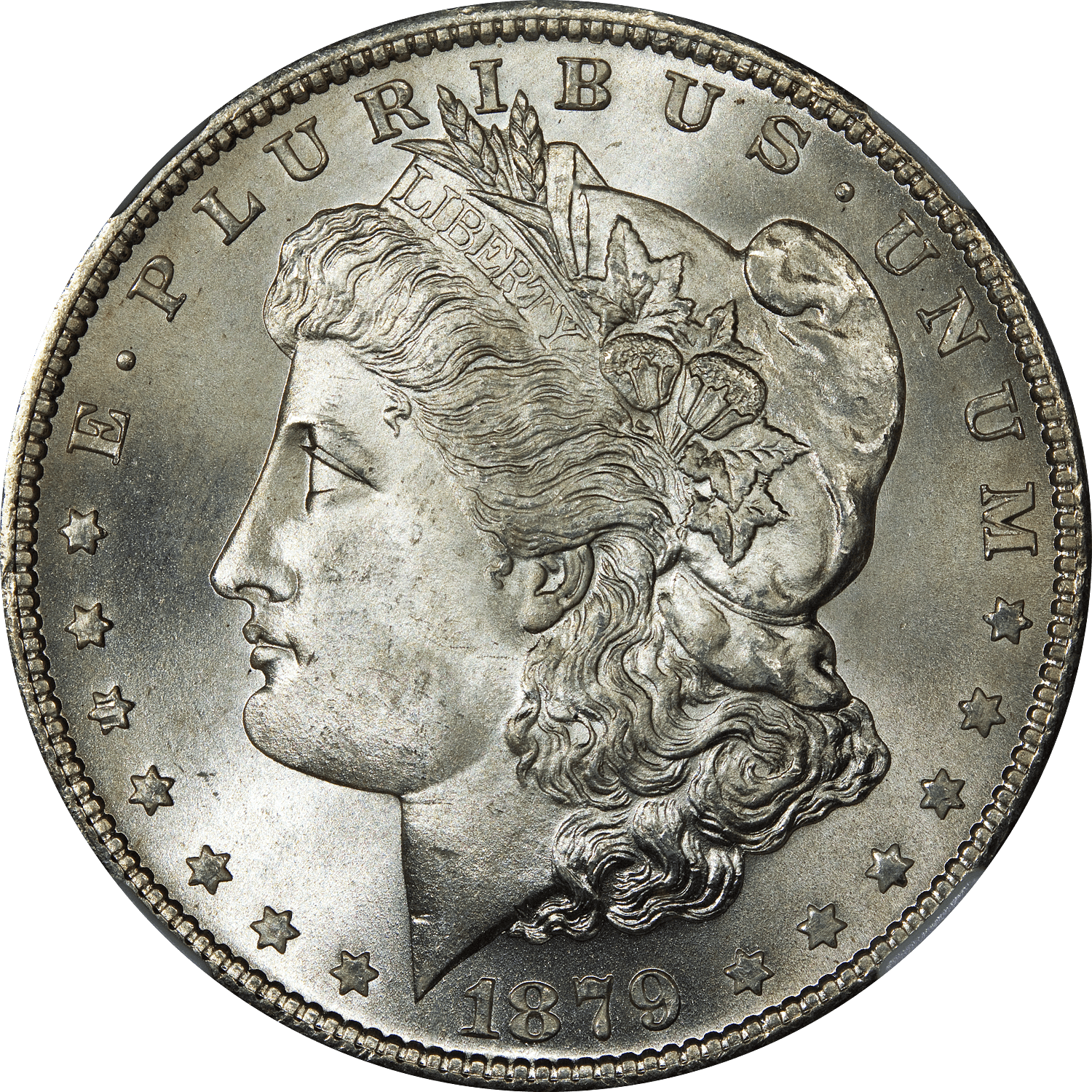
The Morgan dollar — silver of the Wild West
The great American silver coin of the silver-rush era, beloved by collectors today.
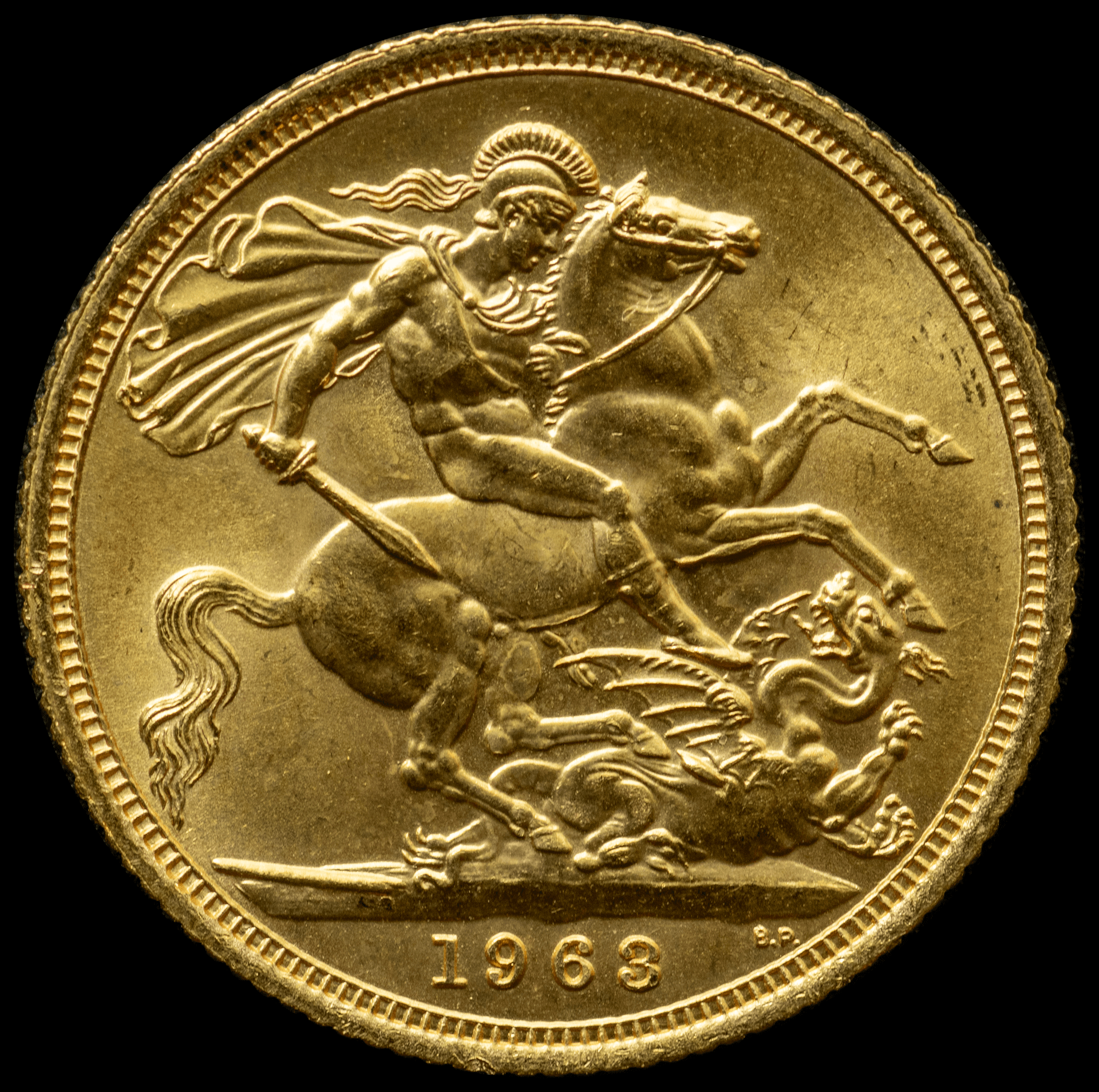
The sovereign — gold coin of the British Empire
With St George slaying the dragon on the reverse, the sovereign was the gold money of the largest empire.
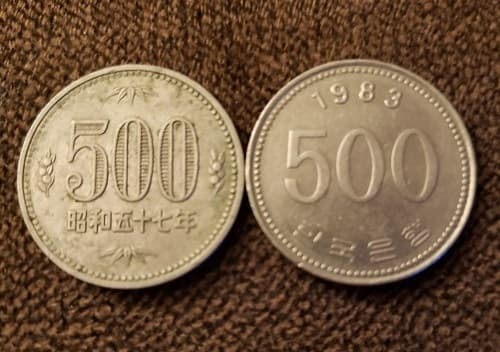
The won — currency of the two Koreas
The same name, two different states: the won shows how a currency can tell the story of a divided nation.
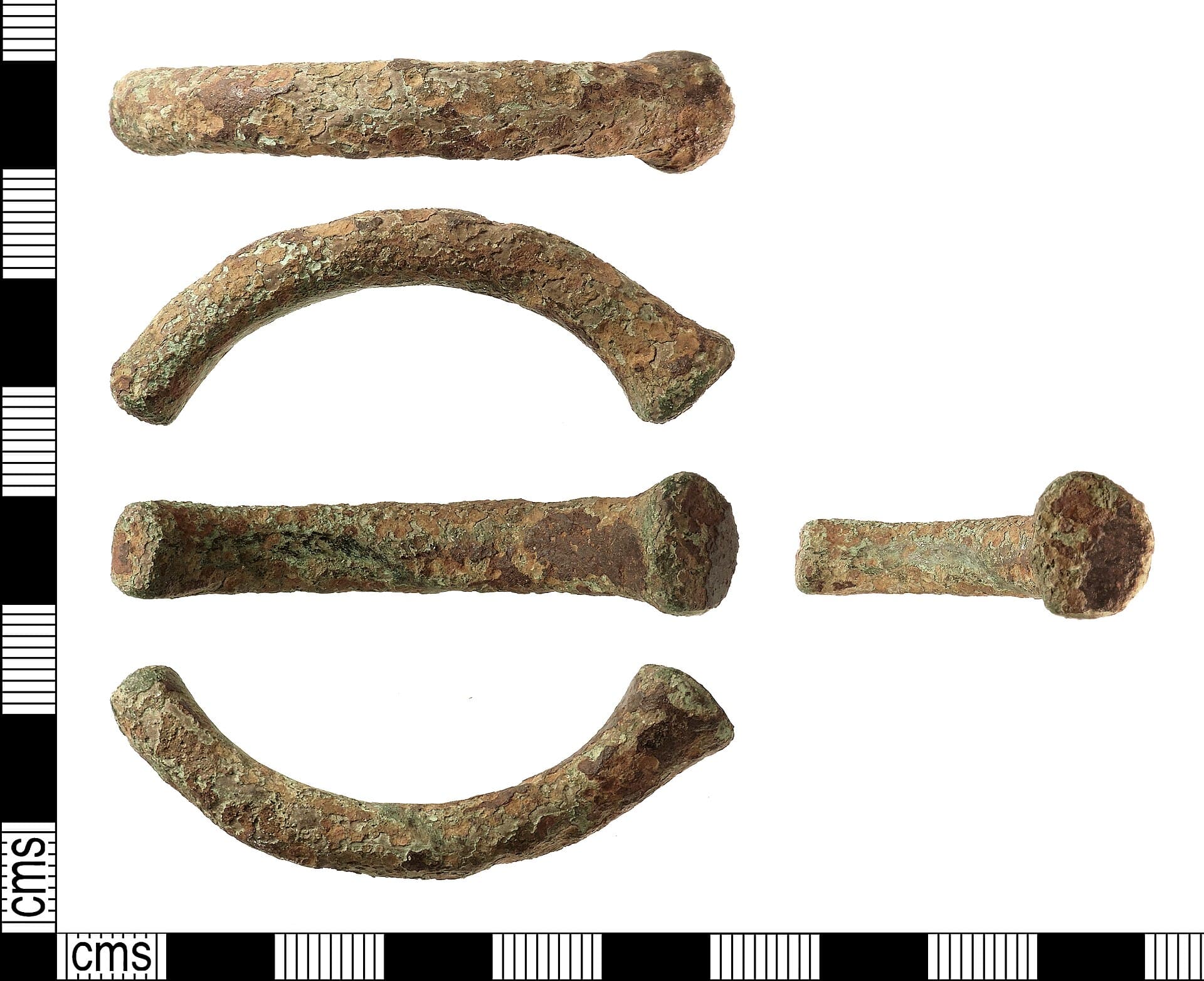
Manillas — the bracelets that were money in Africa
Horseshoe-shaped metal rings were money in West Africa for centuries — and the currency of the slave trade.
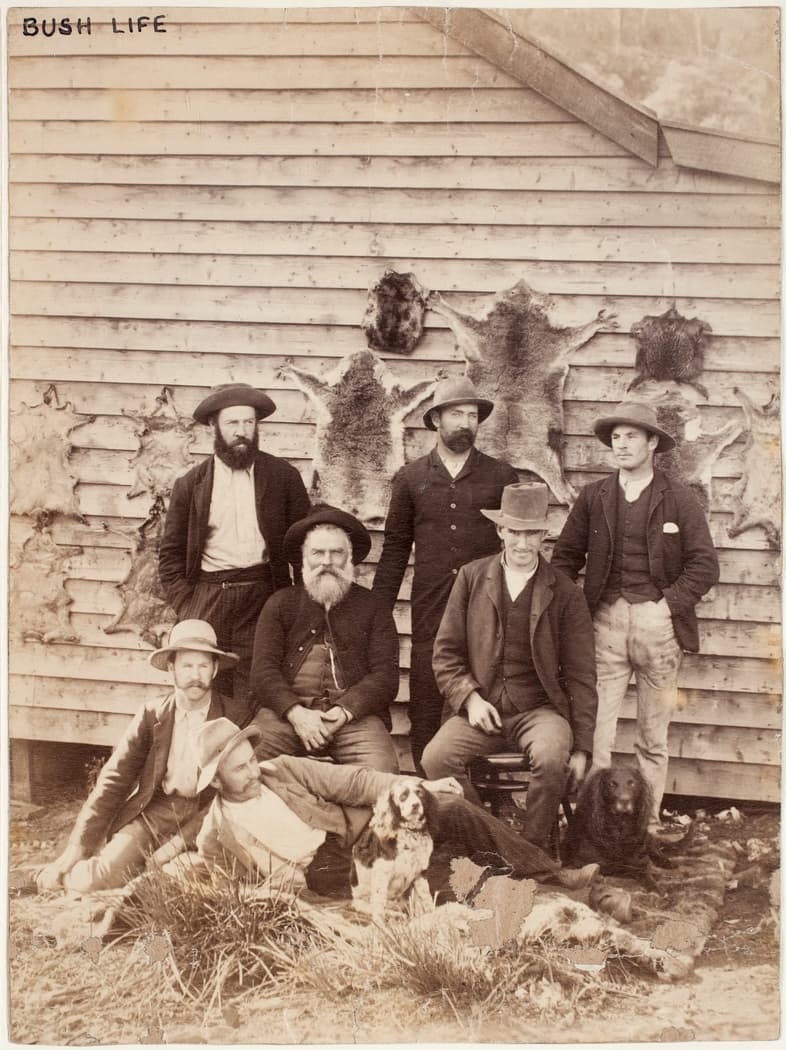
Leather money — when hide was currency
From medieval Russia to Kublai Khan's China, pieces of leather and fur served as money.
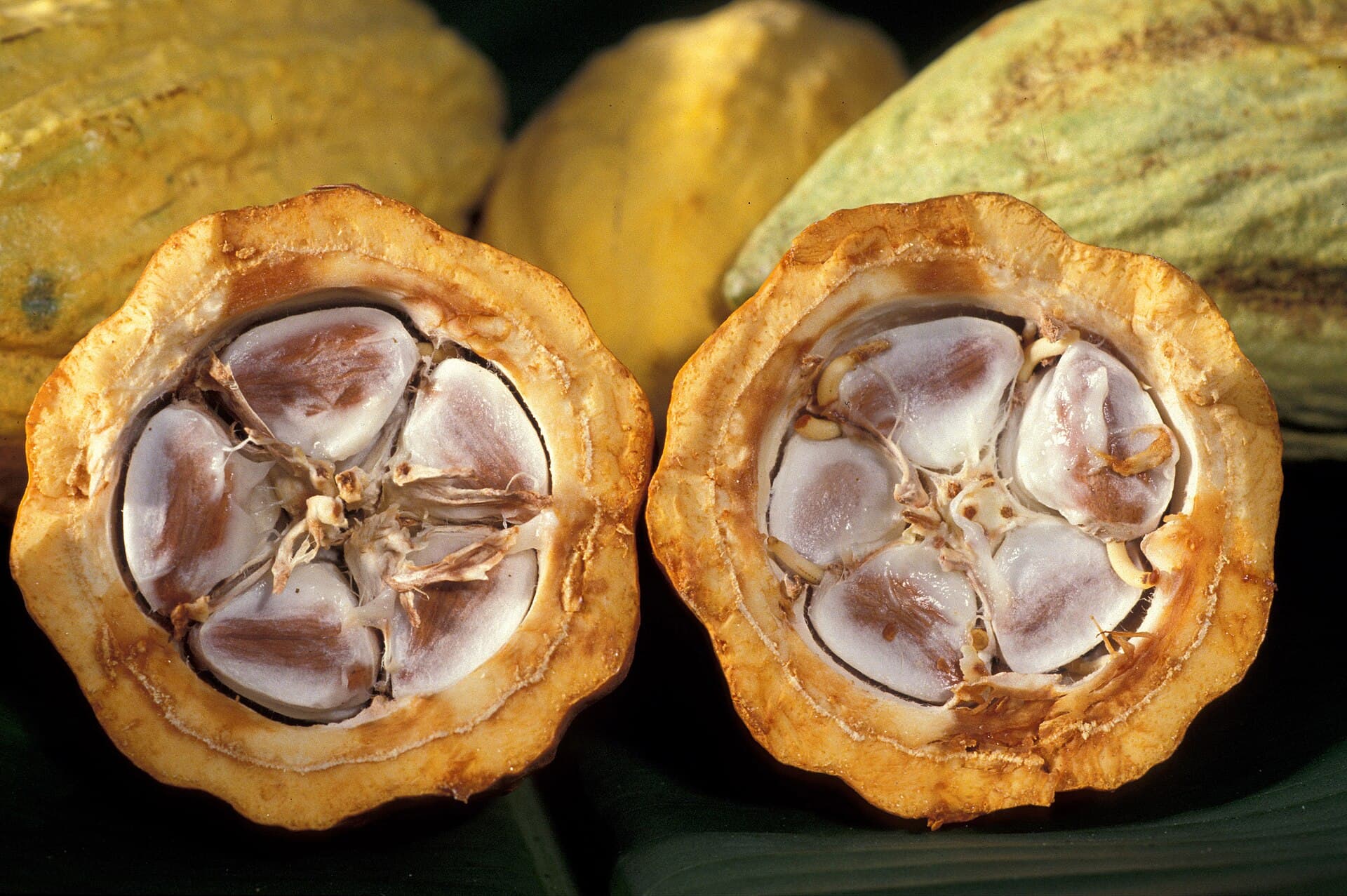
Cacao beans — the sweet money of the Aztecs
In the Aztec Empire, chocolate was literally money: you could buy food with cacao beans.
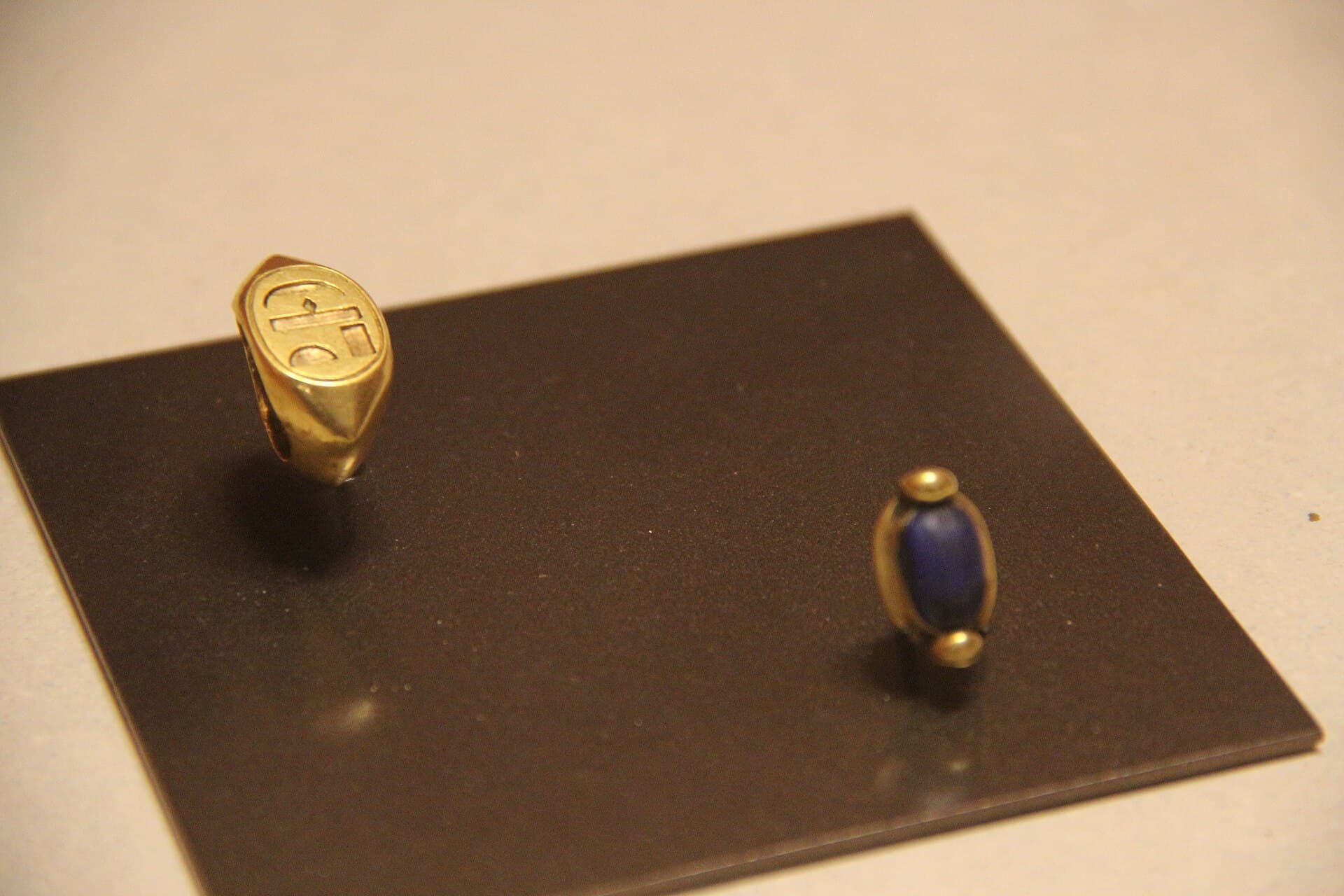
The gold rings of ancient Egypt
Before coins, the Egyptians used gold and silver rings, weighed at every exchange.
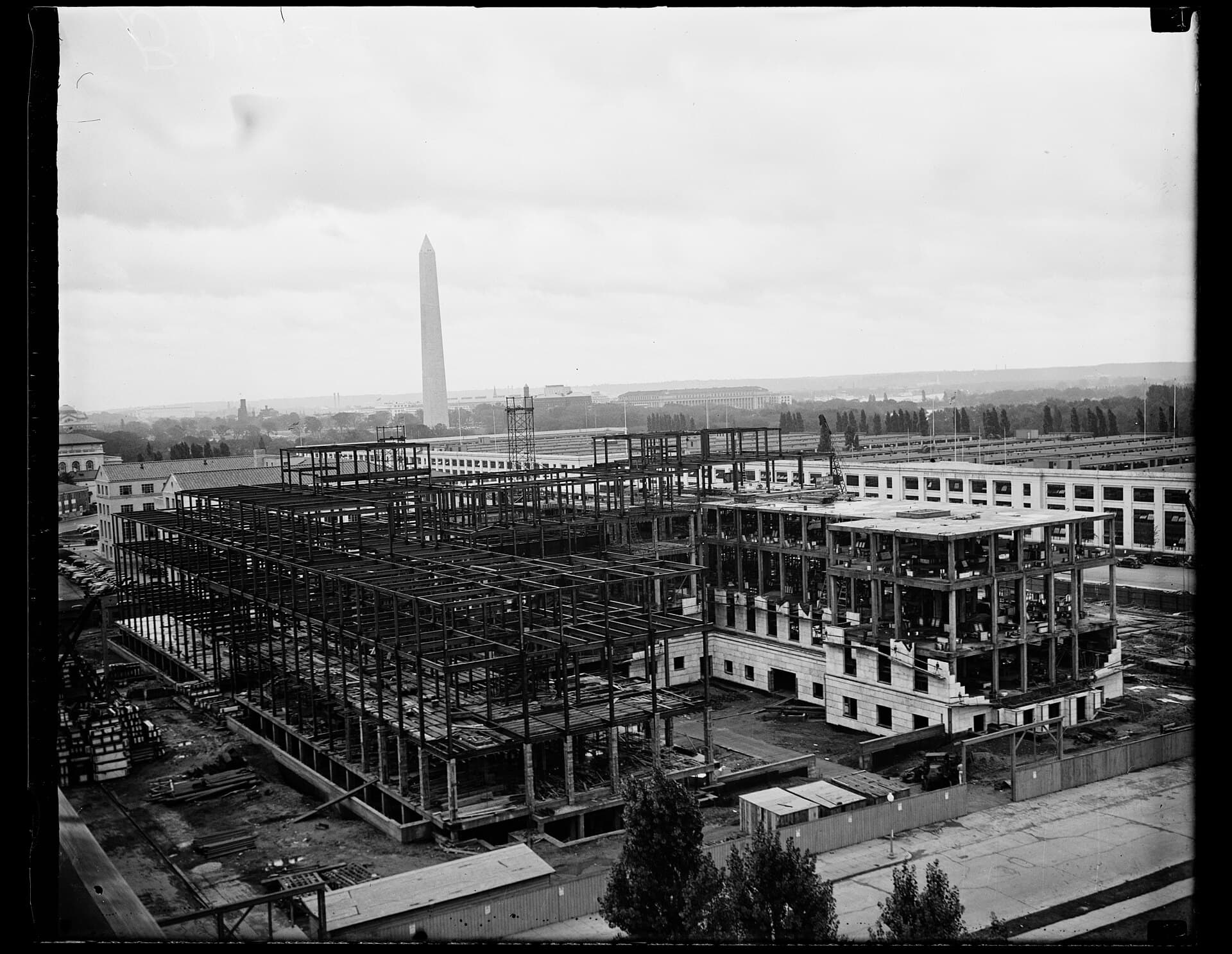
The Federal Reserve — America's central bank
Founded in 1913 after repeated banking panics, the "Fed" is today the most powerful central bank in the world.
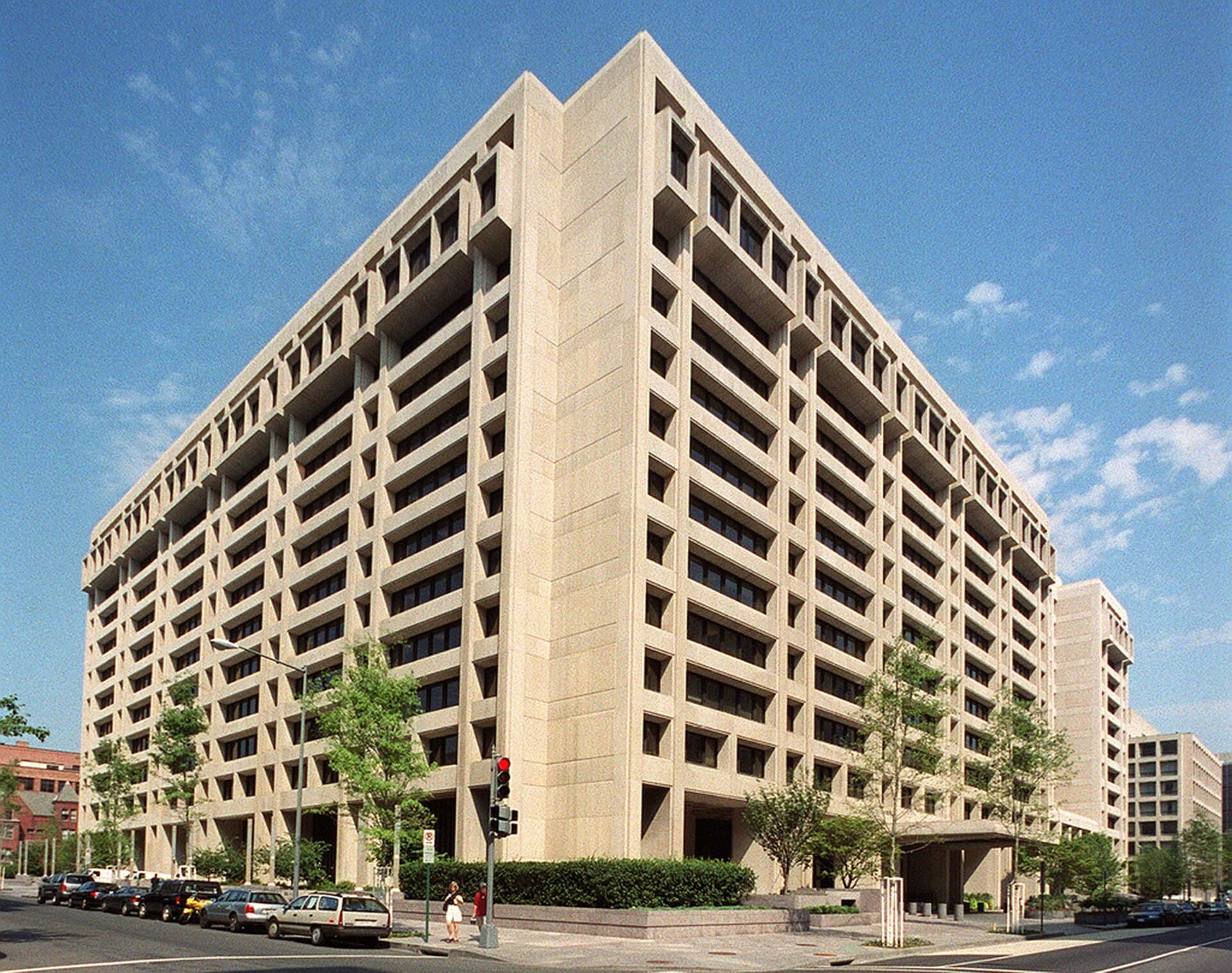
The IMF — the world's financial firefighter
When a country runs out of foreign currency, it calls the International Monetary Fund. How and why it appeared.
The World Bank — money for development
The IMF's sister lends money for roads, schools and hospitals in poor countries. How it works.
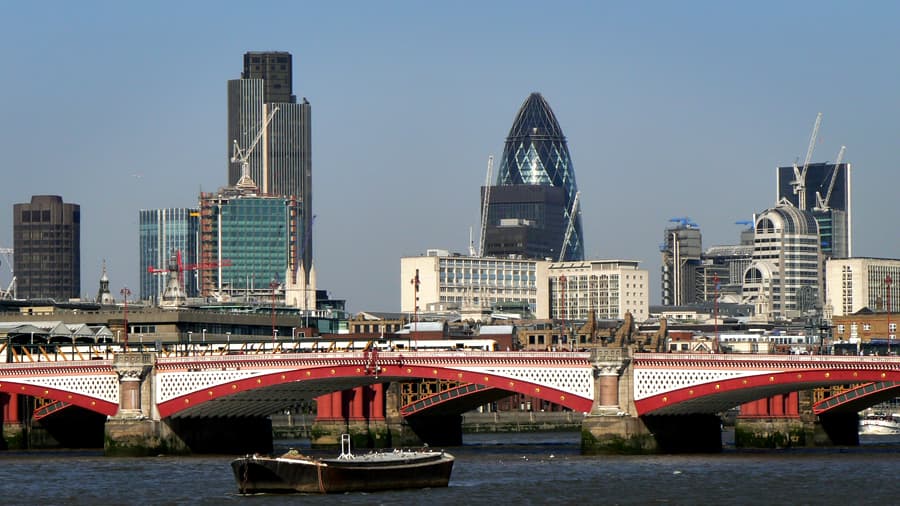
The London Stock Exchange — from coffeehouses to the heart of finance
One of the world's oldest stock exchanges was born in the coffeehouses where merchants traded shares.
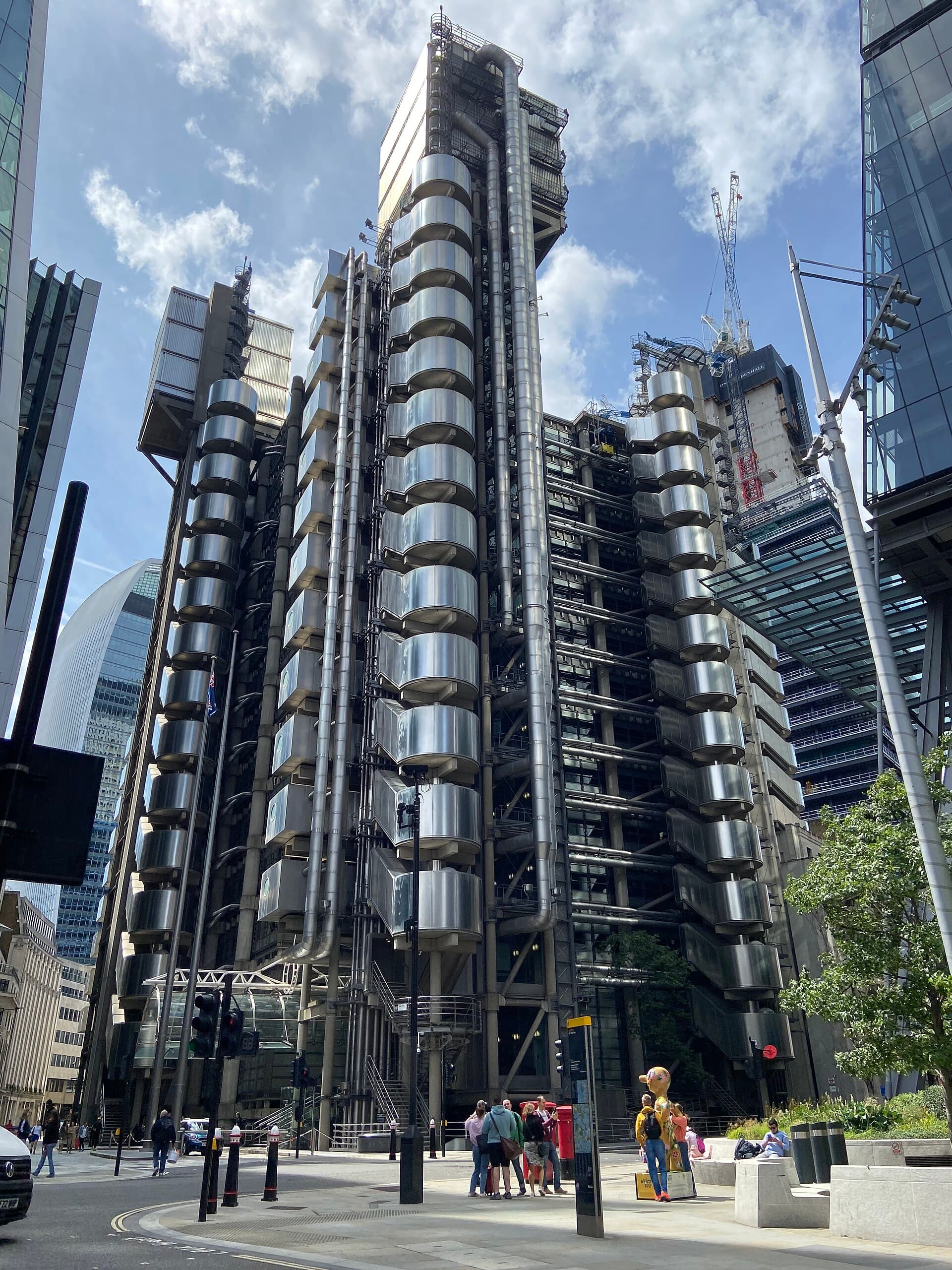
Lloyd's of London — insurance was born in a coffeehouse
From Edward Lloyd's coffeehouse, where sailors gathered, the most famous insurance market was born.
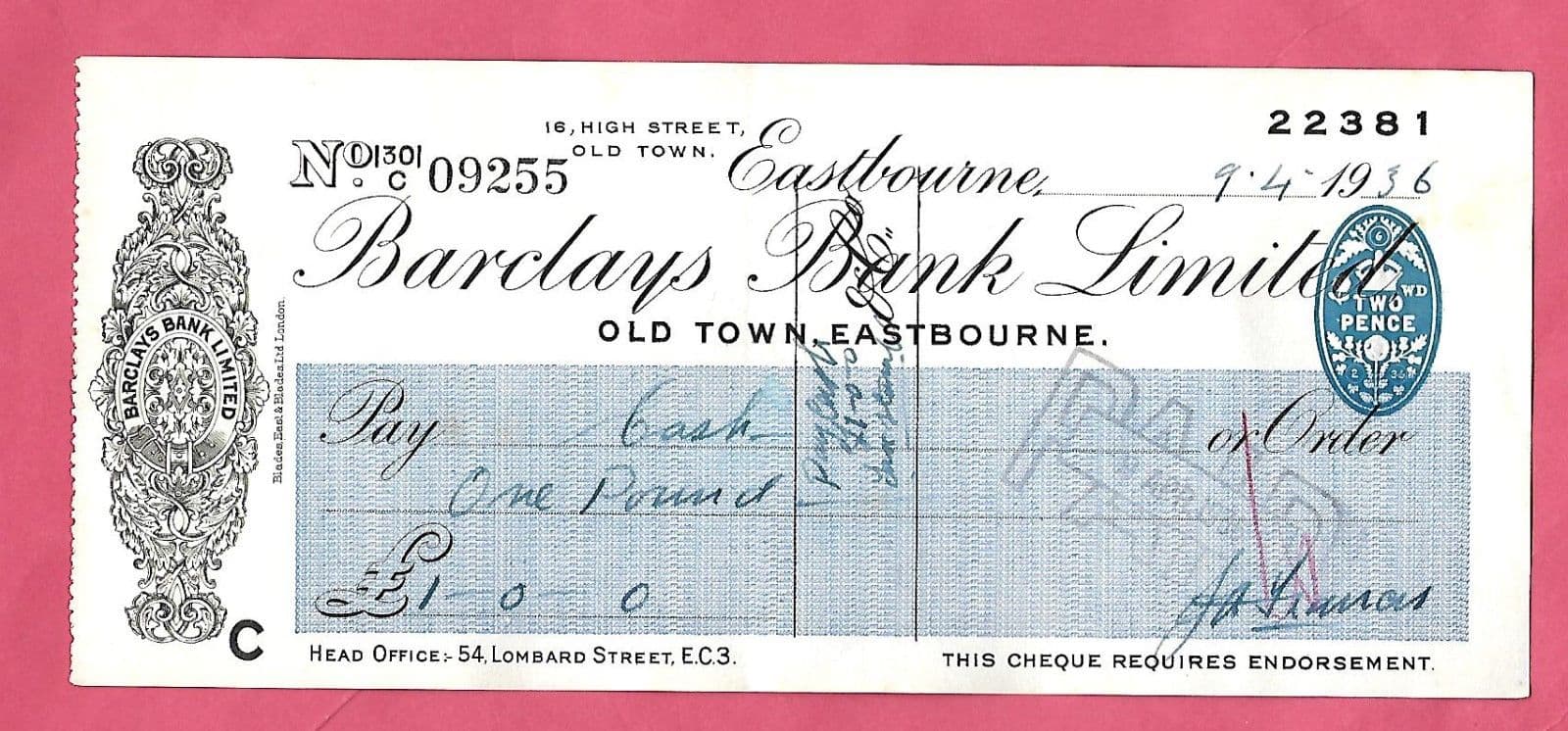
The cheque — the written promise that stood in for money
Before cards, a simple signed paper moved money from one account to another. The story of the cheque.
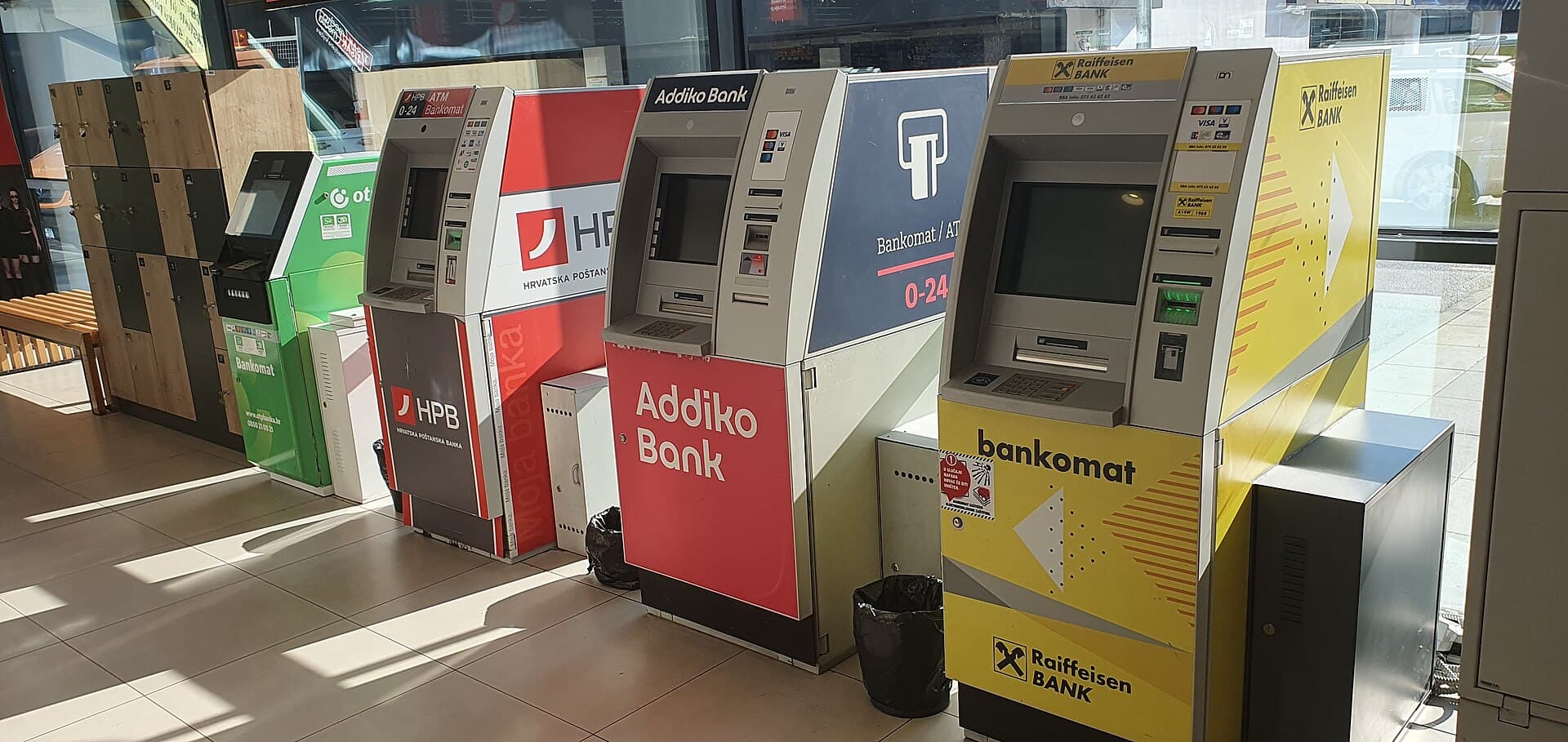
The ATM — the bank open around the clock
In 1967, a machine began handing out money from a wall. It changed our relationship with the bank forever.
SWIFT — how money travels between countries
When you send money abroad, the message travels through a network called SWIFT. How it works, in short.

Bretton Woods — the day the rules of money were rewritten
In 1944, in a mountain hotel, 44 countries decided how the postwar world's financial system would work.
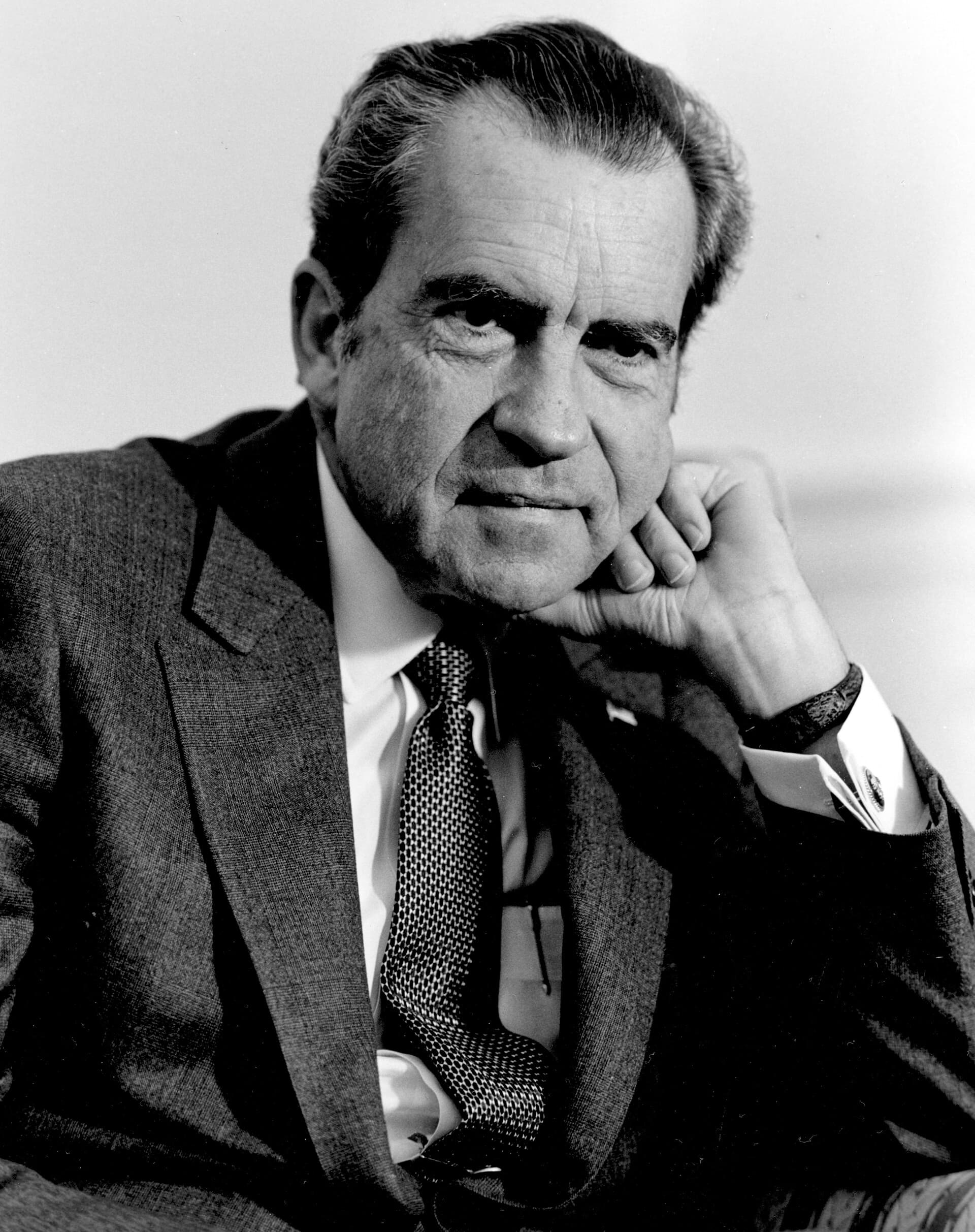
1971 — the day money let go of gold
With a TV speech, President Nixon broke the link between the dollar and gold. Since then, the world's money is pure trust.
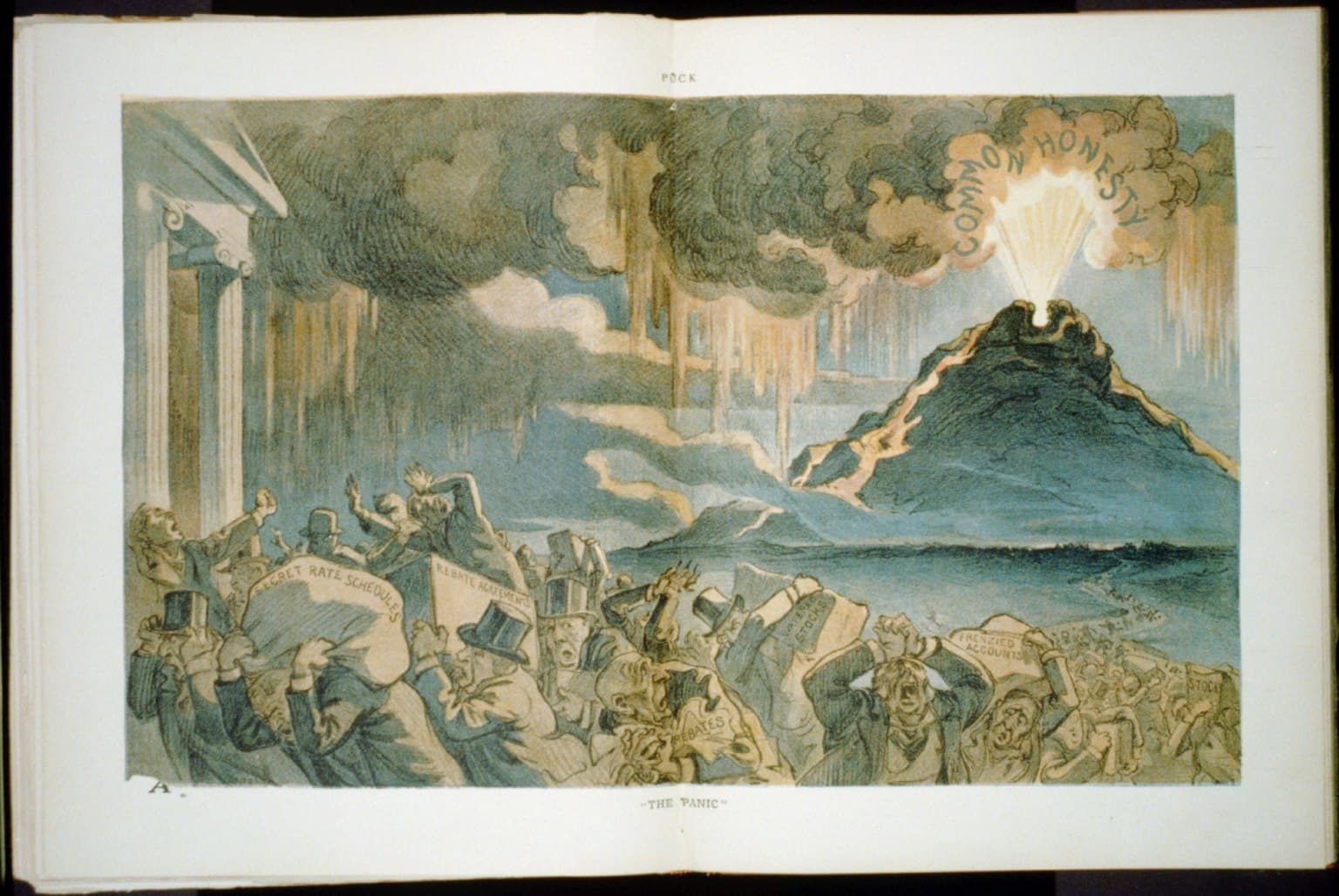
The Panic of 1907 — the crisis that created the Fed
A banking panic was stopped by one rich man. The scare convinced America to build a central bank.
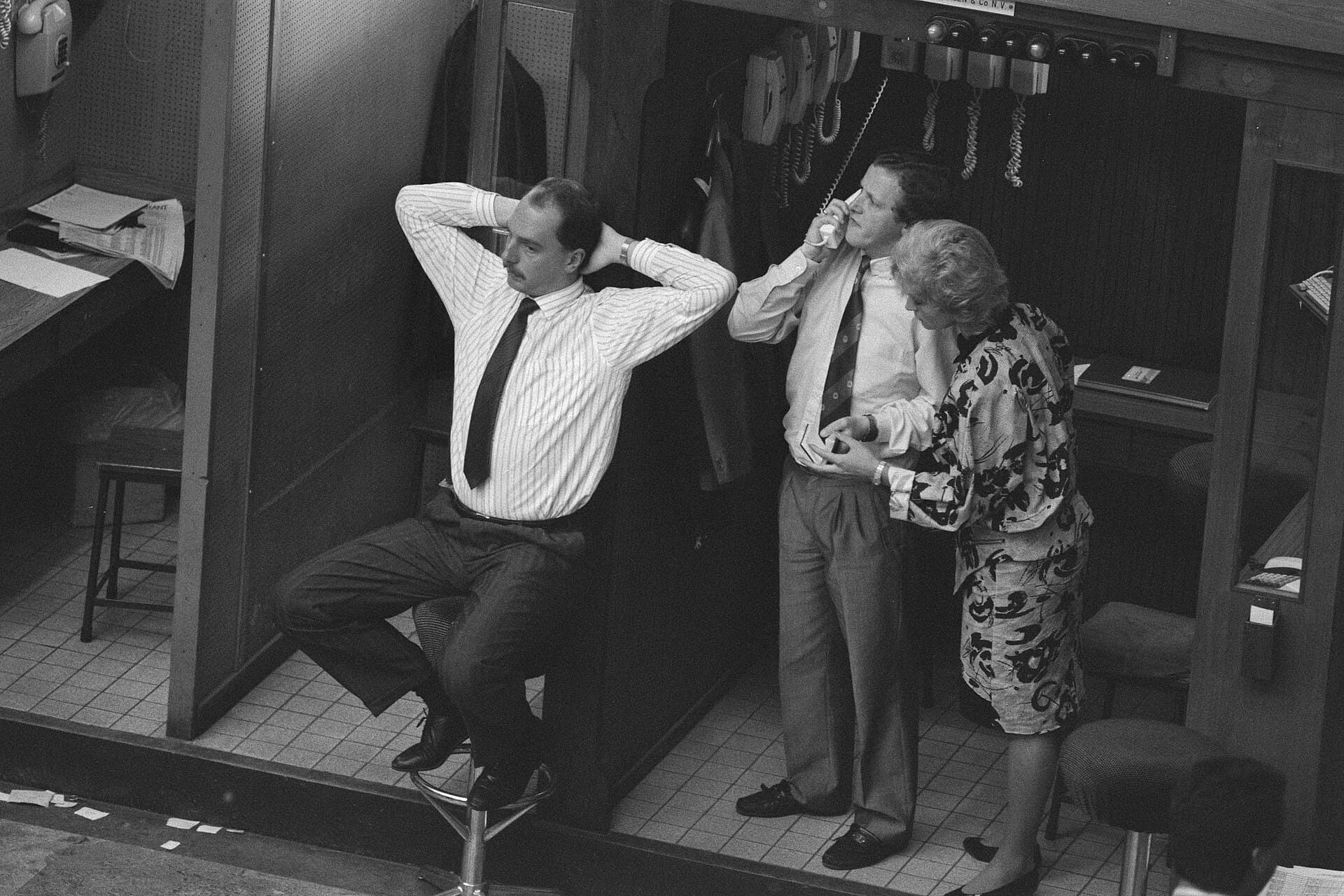
Black Monday 1987 — when computers crashed the market
In a single day, the US market lost over 22%. Partly to blame: automated trading programs.
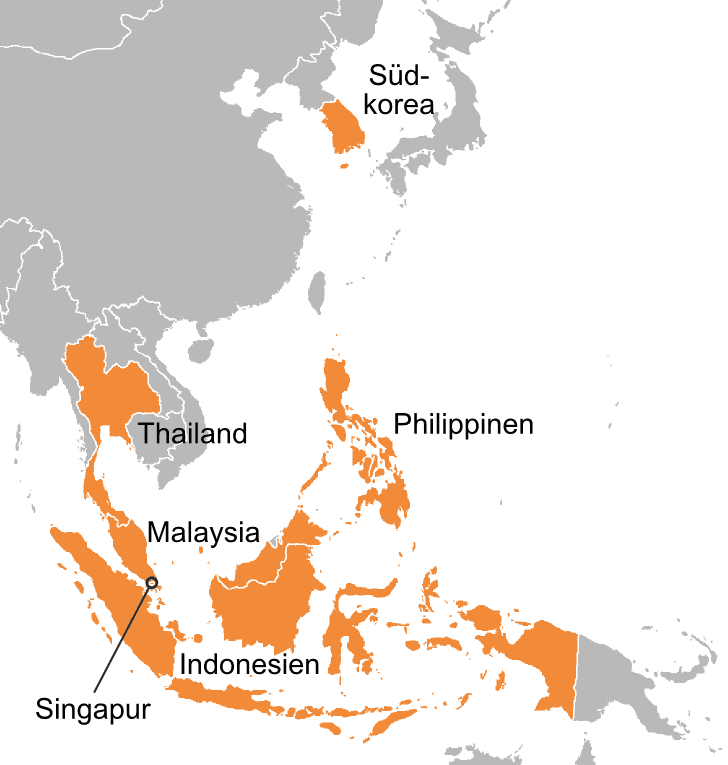
The 1997 Asian crisis — the domino effect
It started in Thailand and toppled, one by one, the economies of the "Asian tigers". How crises spread.
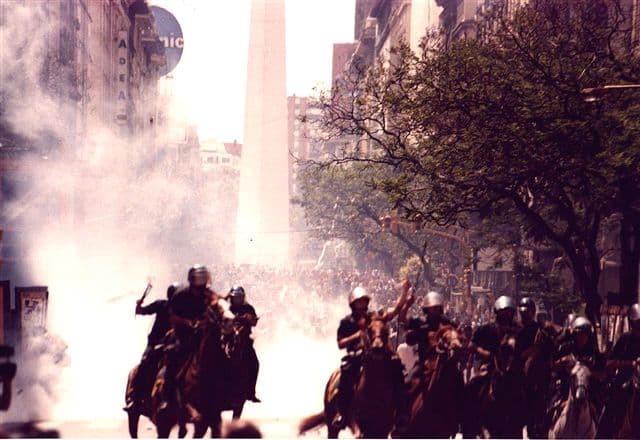
Argentina 2001 — when a country buried its money
Argentinians woke up with frozen accounts and melted savings. One of the harshest modern crises.
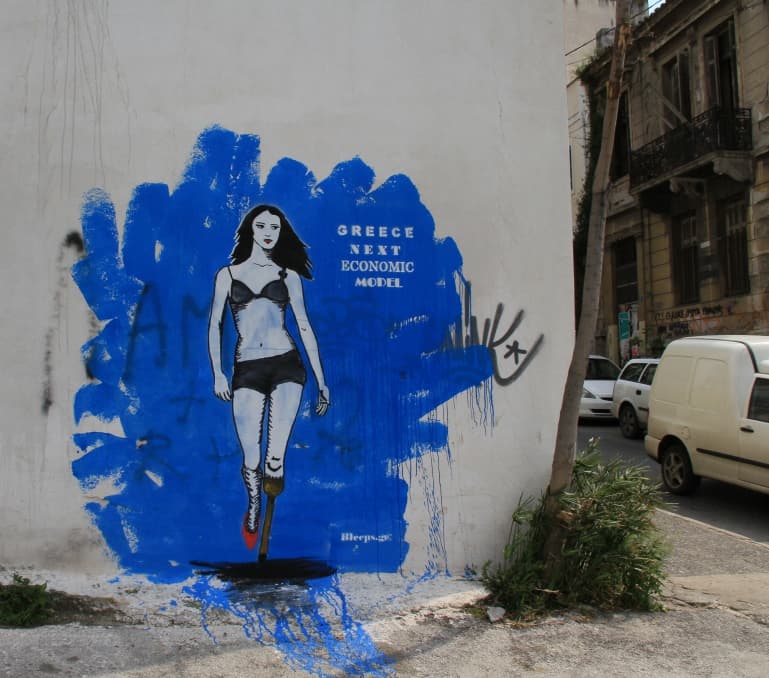
The Greek crisis — the burden of too much debt
After 2010, Greece struggled for years under a debt it could no longer pay. A lesson about limits.
The COVID crisis — the economy switched off
In 2020, the world hit "pause" on the economy. Governments responded by printing money on an unprecedented scale.
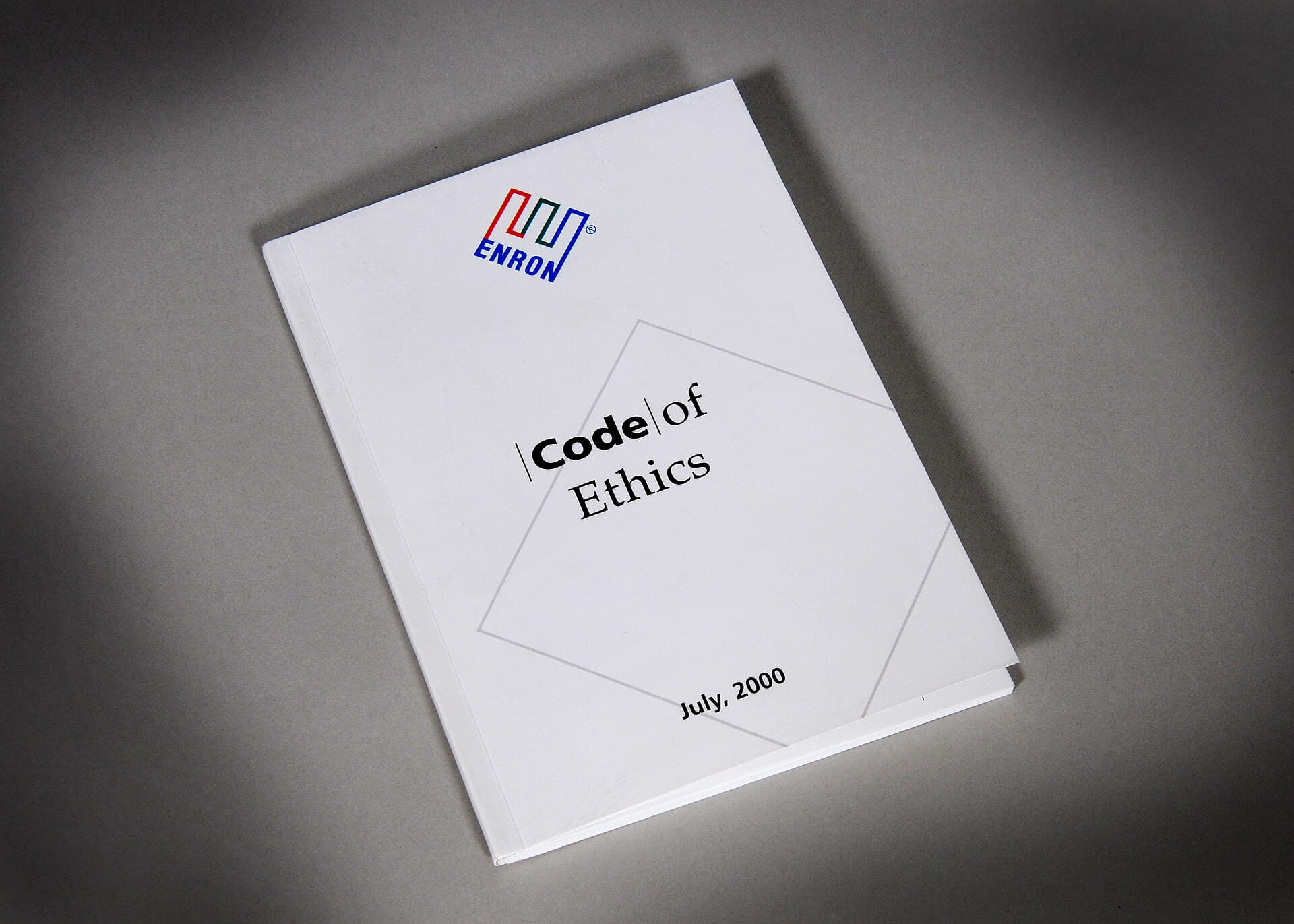
Enron — the giant built on accounting lies
A company praised as America's most innovative turned out to be a giant accounting fraud. The lesson about transparency.
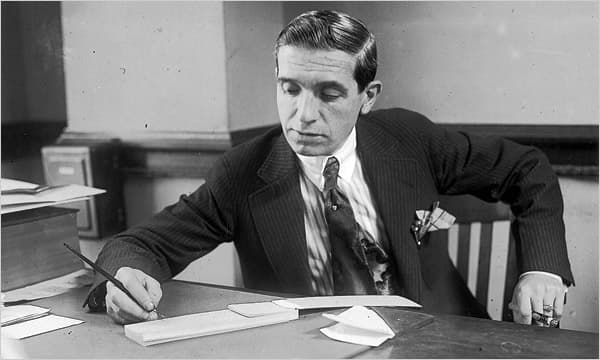
The Ponzi scheme — the fraud that never dies
You pay old investors' returns with new investors' money. It works — until it collapses.
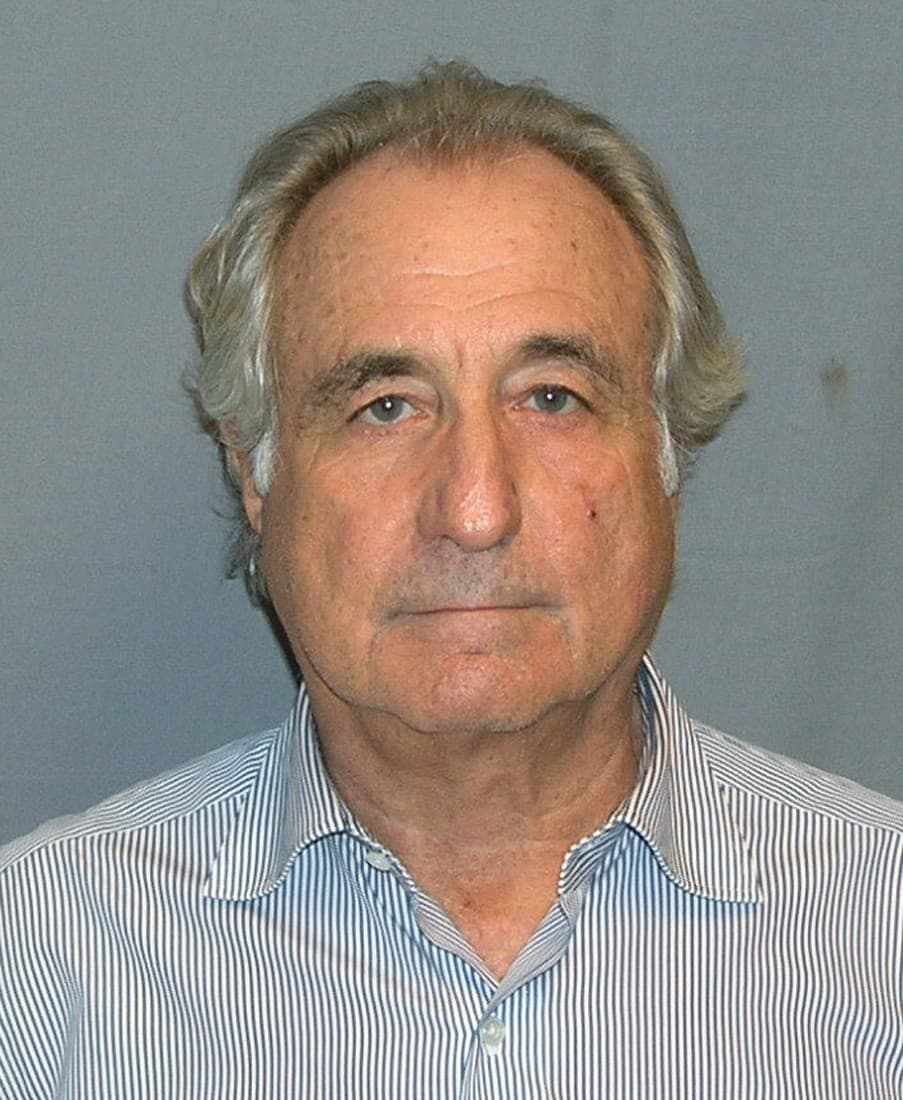
Madoff — the 65 billion dollar Ponzi scheme
A former stock exchange chairman ran the largest financial fraud in history, for decades.
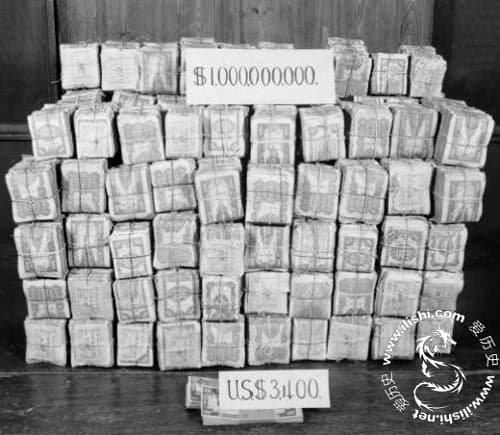
Caritas — Romania's get-rich dream of the 1990s
Millions of Romanians dreamed of easy money through a pyramid scheme in Cluj. Then it all collapsed.
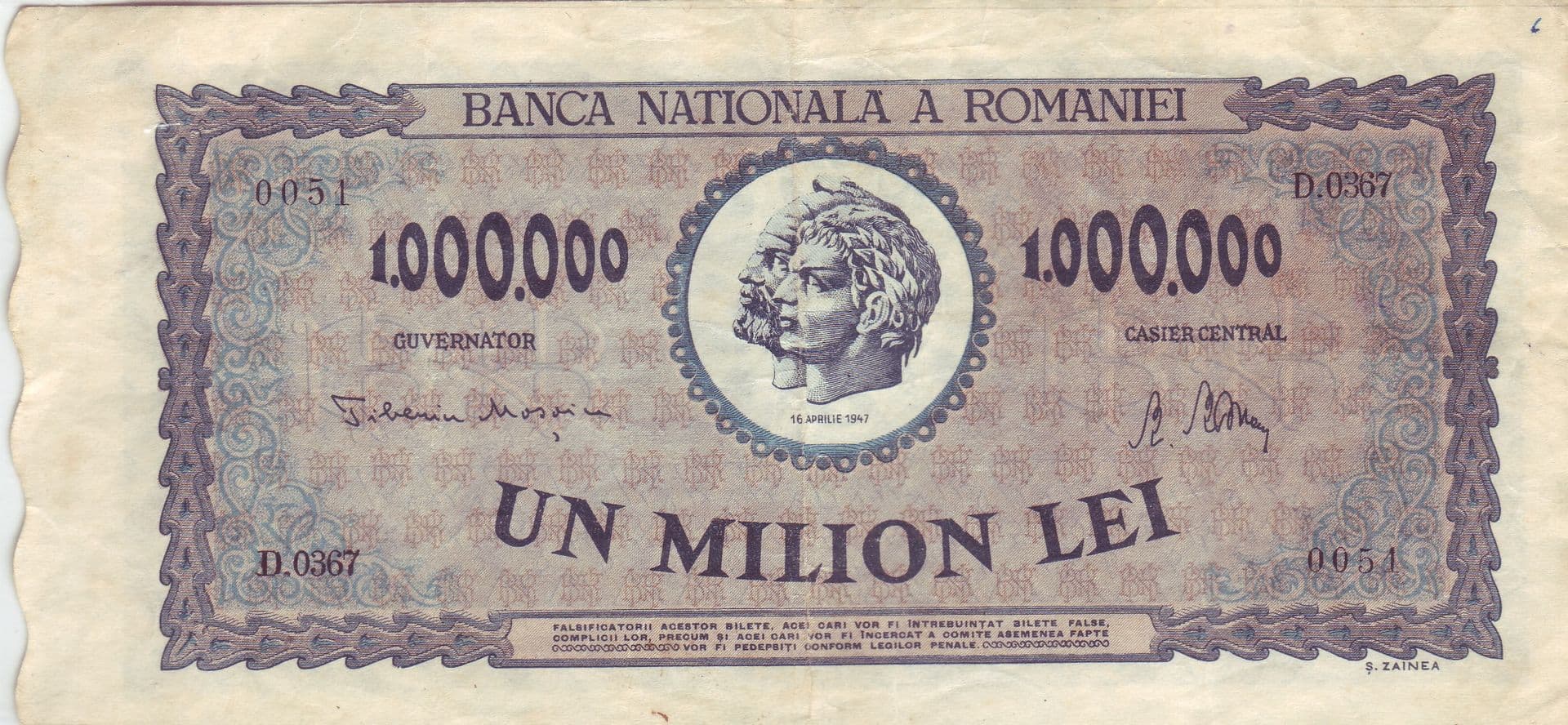
1990s inflation in Romania — millions for a loaf
After 1990, prices in Romania exploded, and salaries were measured in millions of lei. Why it happened.
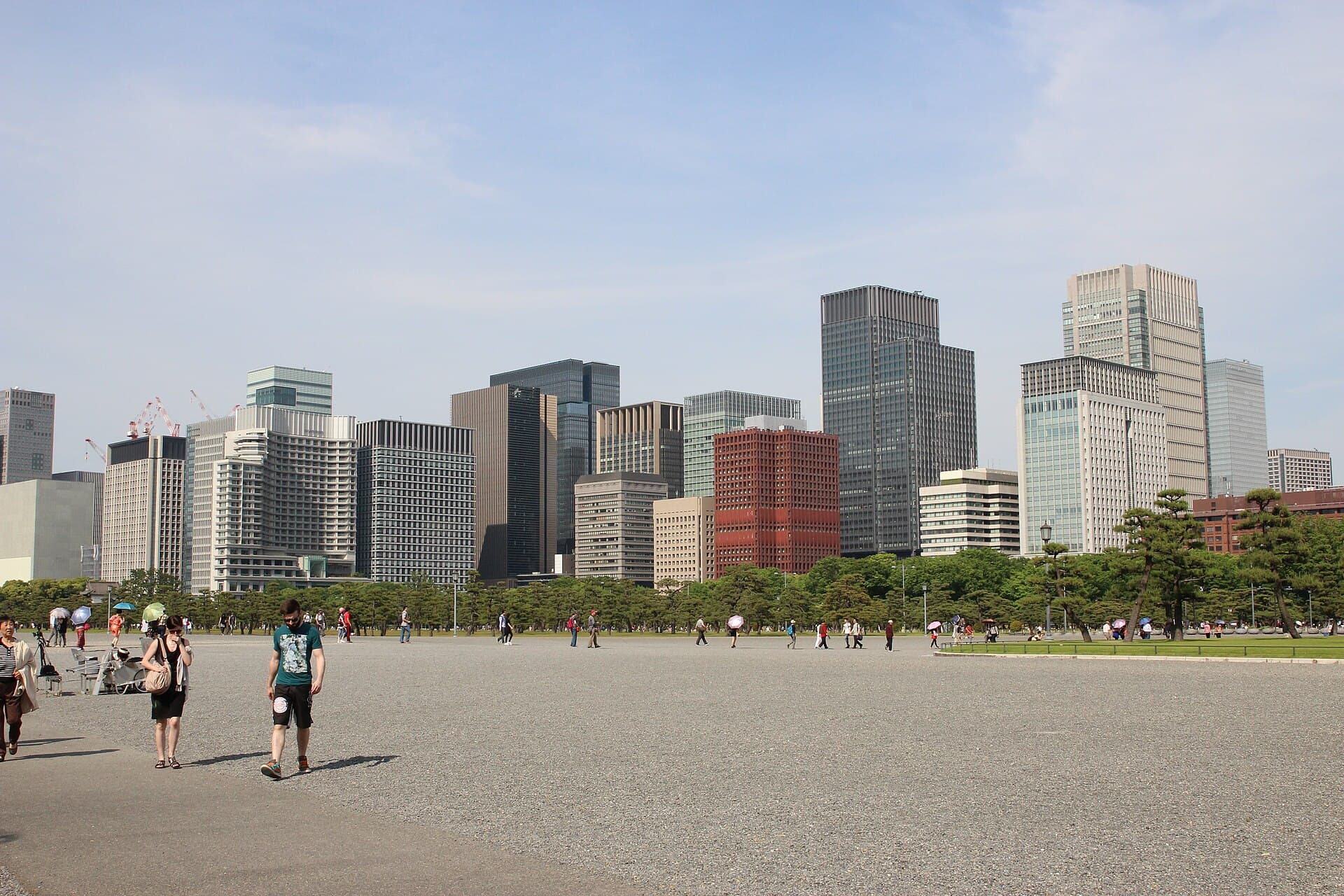
The Japanese bubble — when Tokyo was worth all of America
In the 1980s, land prices in Japan reached absurd levels. The crash brought the "lost decade".
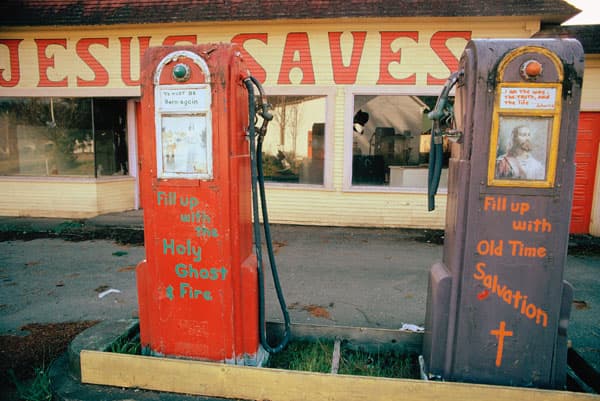
The 1973 oil crisis — when the world got expensive
A decision by oil-producing countries quadrupled the price of crude and threw the West into crisis.
What is blockchain — the ledger you can't fake
The tech behind cryptocurrencies is, in fact, an account book copied across thousands of computers.
Satoshi Nakamoto — Bitcoin's unknown inventor
The person who created Bitcoin vanished without revealing their identity. One of the great modern enigmas.

Ethereum — more than a currency, a world computer
If Bitcoin is digital money, Ethereum wants to be a platform running programs with no central master.
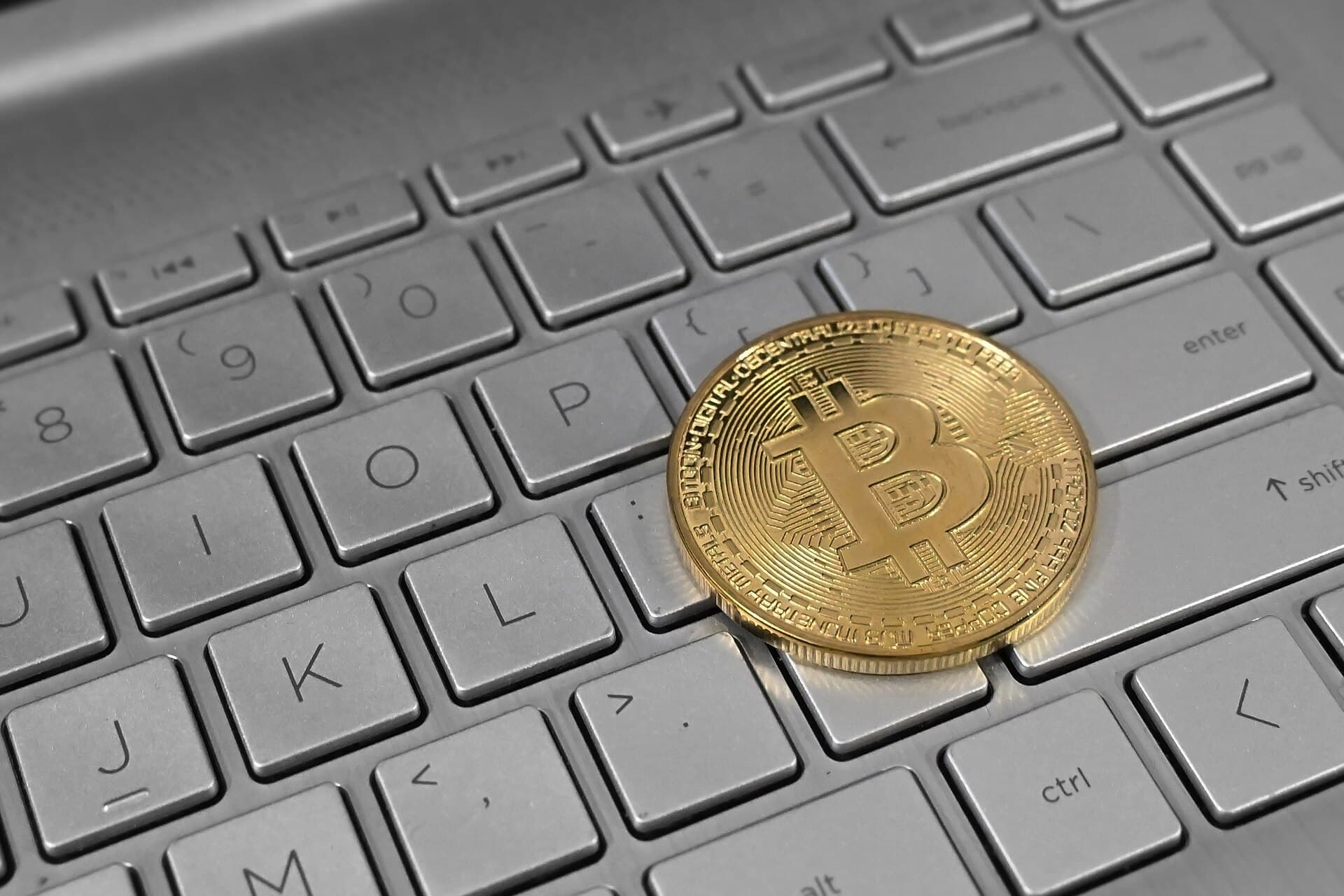
Stablecoin — the cryptocurrency that doesn't want to swing
Unlike Bitcoin, a stablecoin tries to always be worth one dollar. How and why.
What is an NFT — ownership of a file
How can you "own" an image anyone can copy? About NFTs, without hype and without jargon.
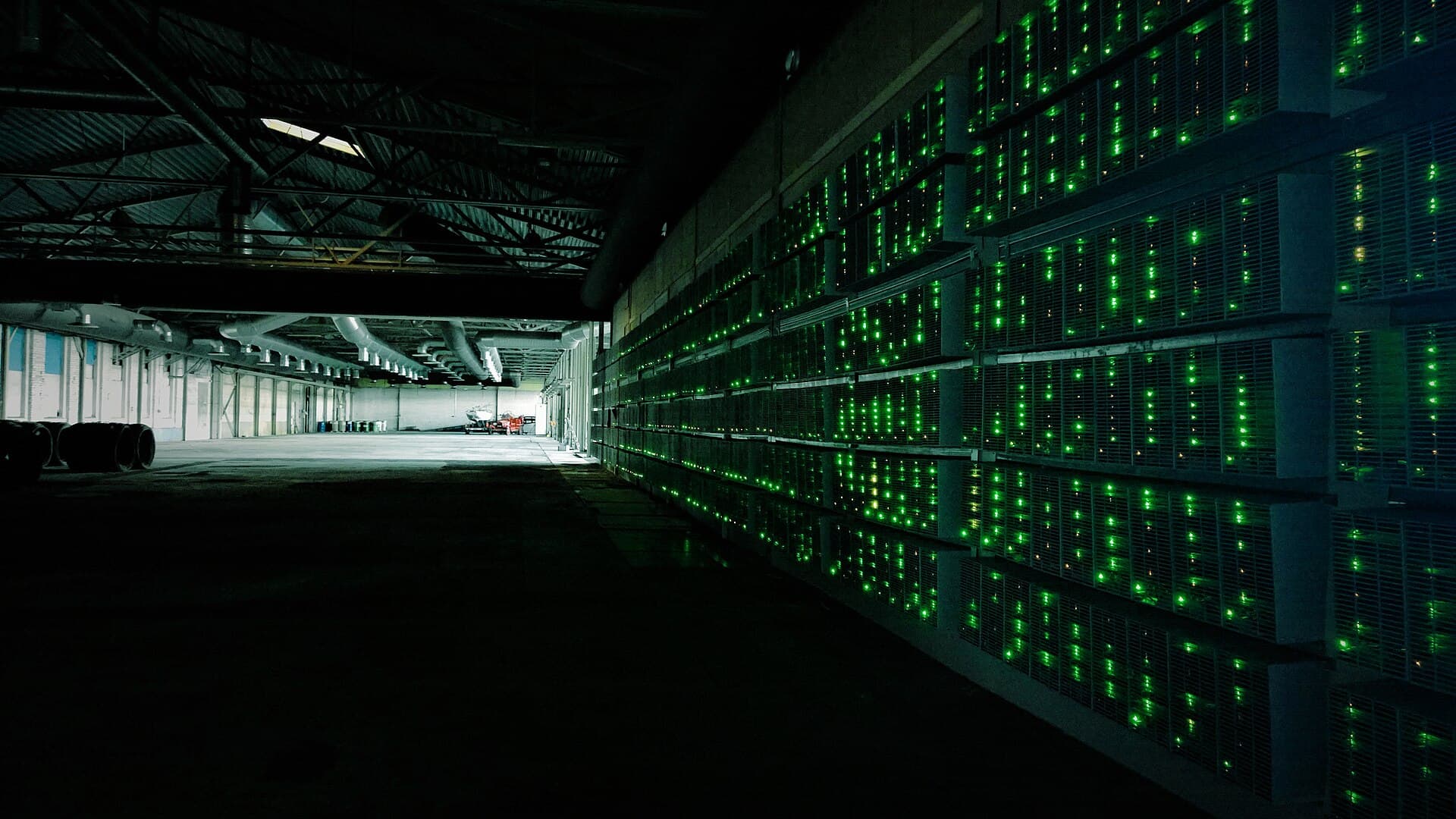
Crypto mining — money from calculations and electricity
Bitcoin "miners" don't dig in the ground, but solve hard calculations with huge computers. Why and how.
CBDC — the state's digital money
Central banks are working on their own digital currencies. What a "digital leu" or "digital euro" would mean.

"Buy now, pay later" — convenient or a trap?
The new form of credit that pops up at every online checkout. Useful with care, dangerous without.
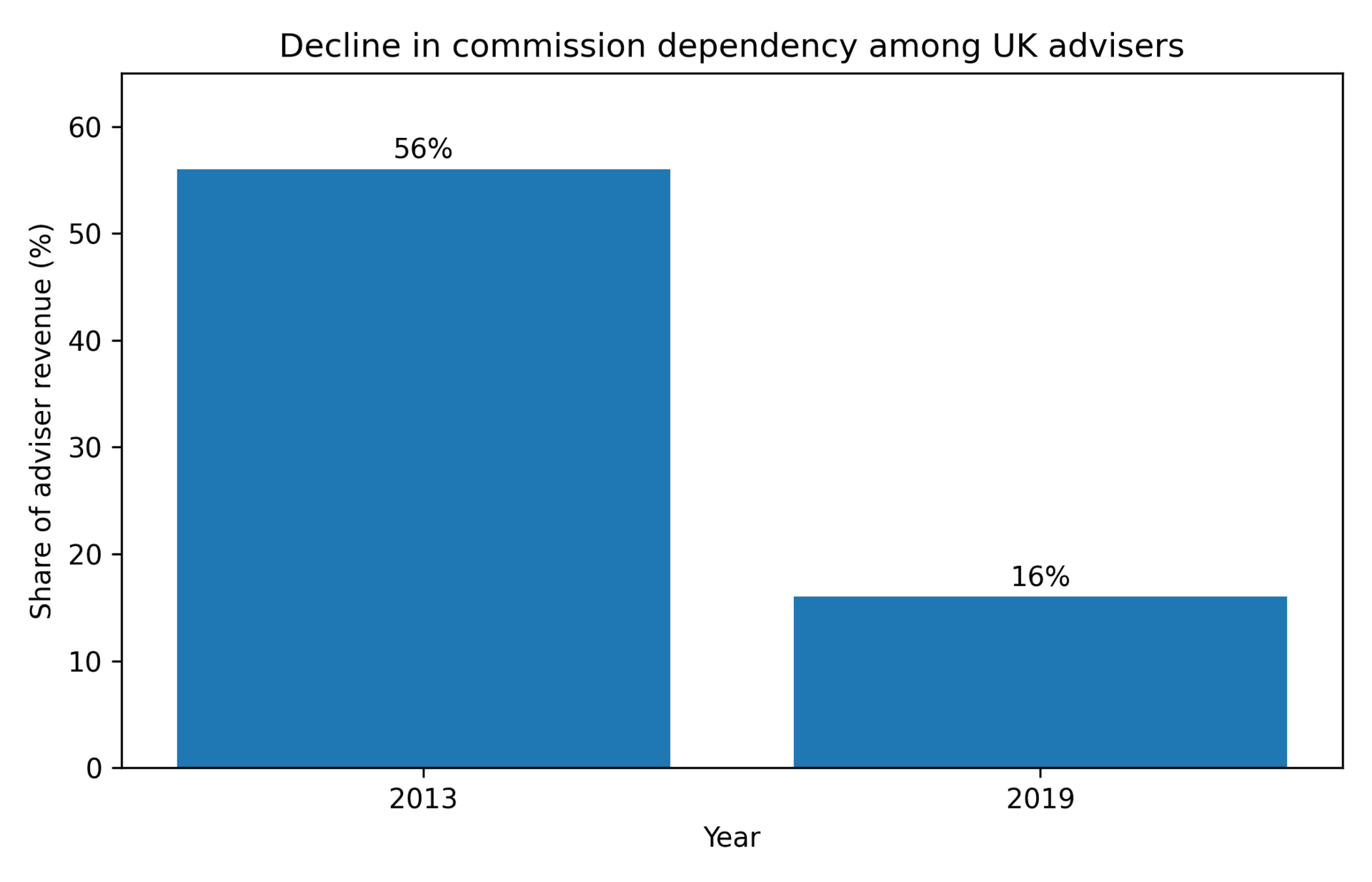
What is a recession — when the economy goes backward
You hear "we're entering a recession" and get scared. What it really means, and how to prepare.
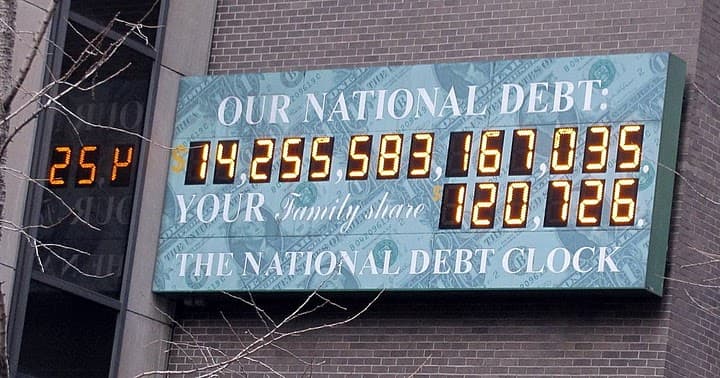
Public debt — a country's credit card
States borrow too. What public debt is, when it's healthy and when it becomes dangerous.
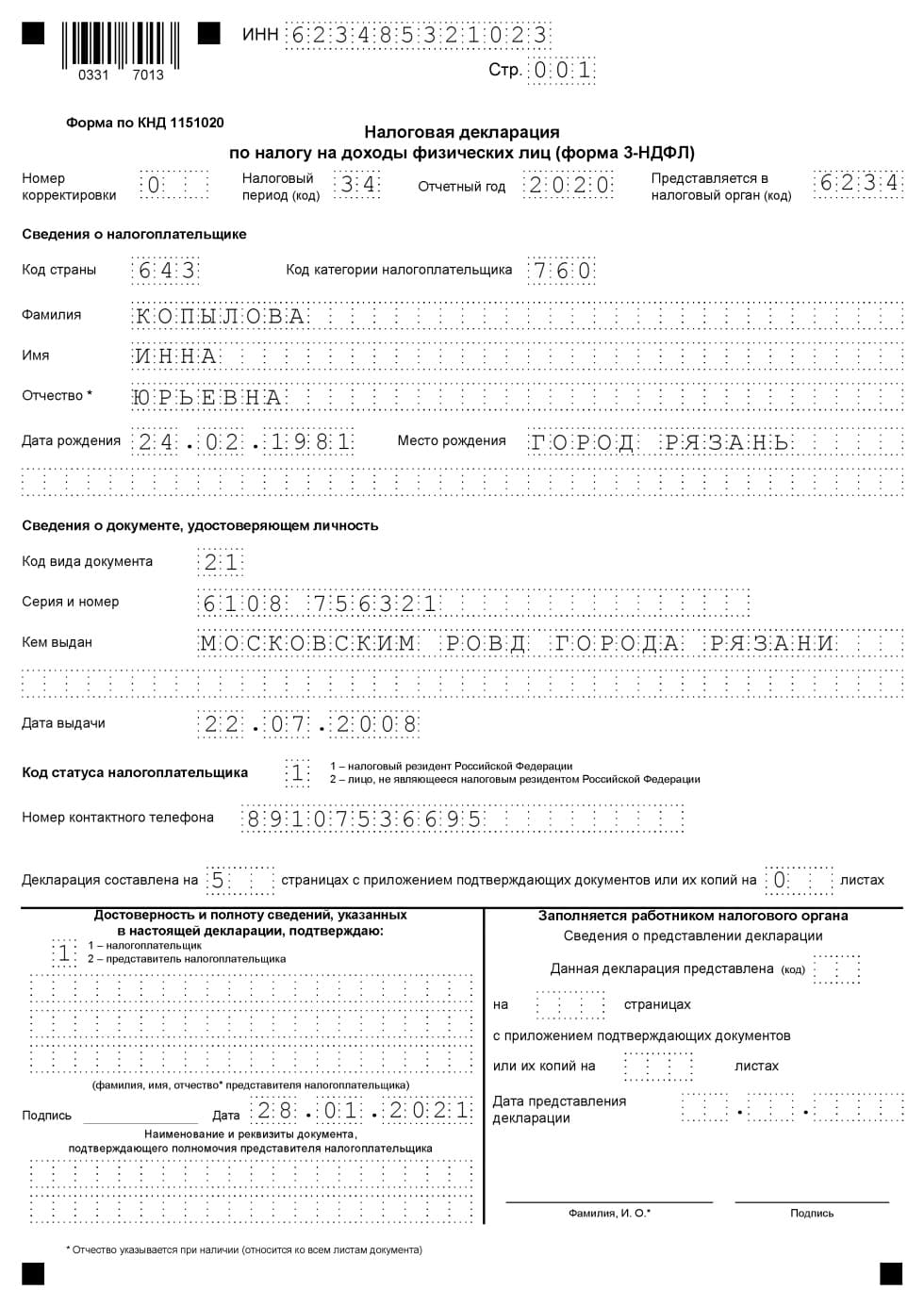
Taxes — the price of living in a society
No one loves them, but they build roads, schools and hospitals. How they work, in short.
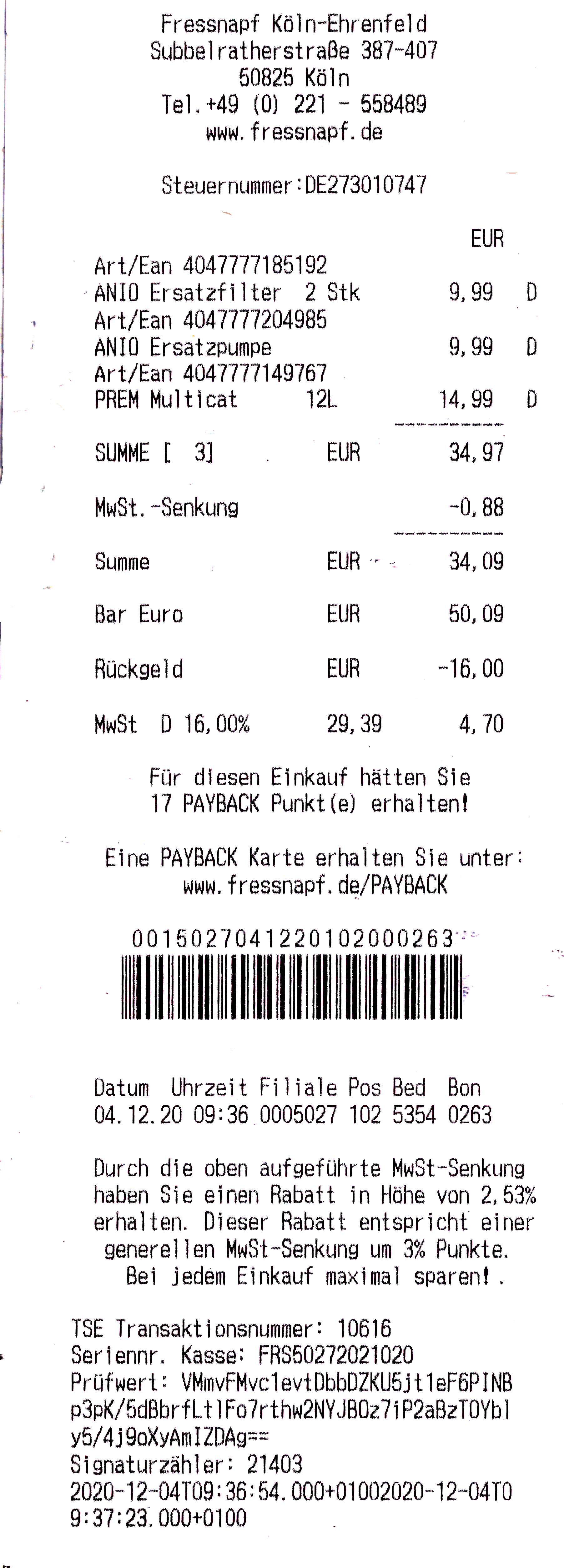
VAT — the tax hidden in every price
Every time you buy something, you pay a tax to the state, included in the price. How VAT works.
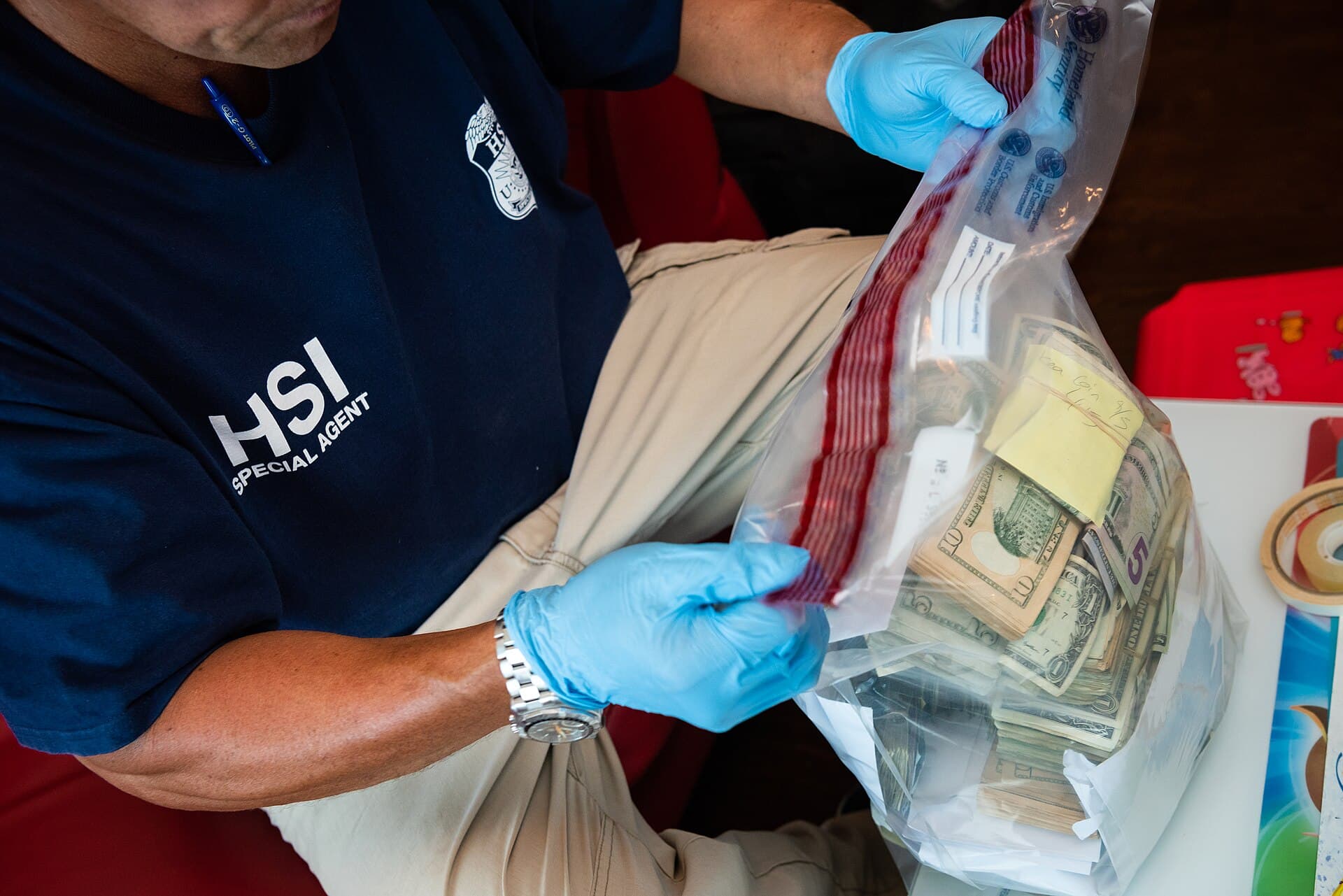
Money laundering — how dirty money is "cleaned"
Money obtained illegally must be made to look legal. How it works and why banks hunt it.
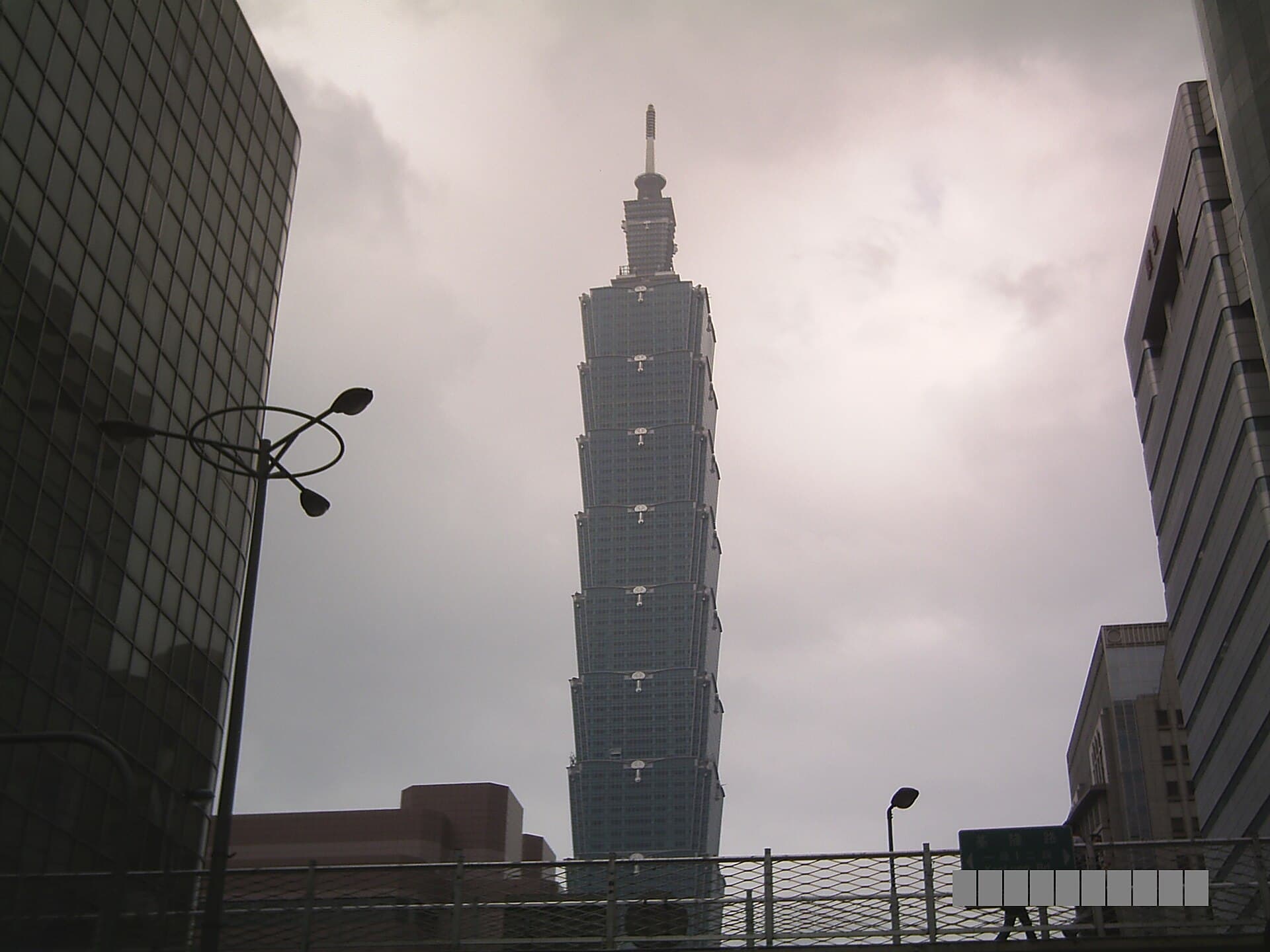
Tax havens — where the world's money hides
Small countries with near-zero taxes attract huge fortunes from around the world. How and why.
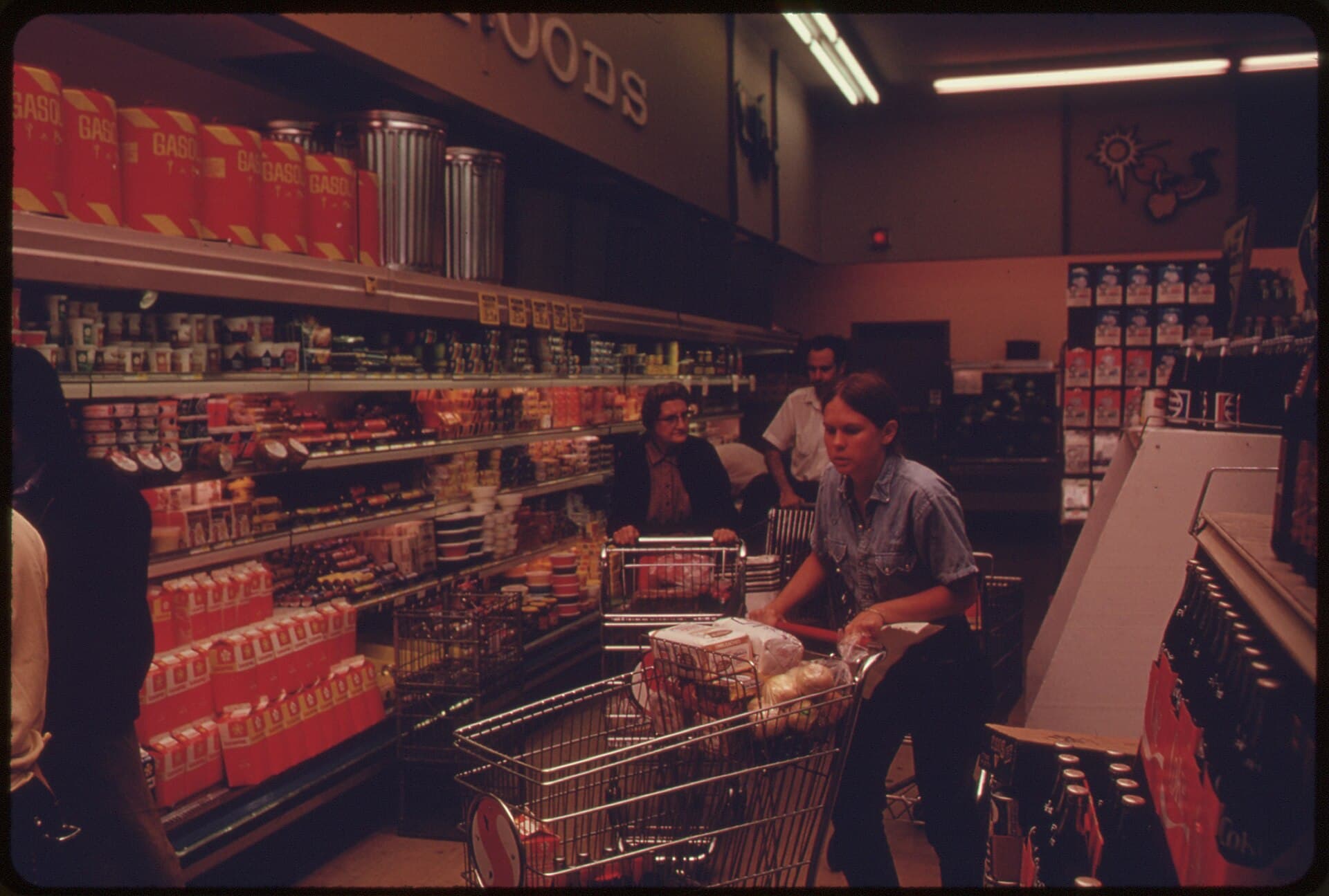
Purchasing power — what your salary can actually do
It's not how much you earn in numbers, but how many things you can buy with it. That's purchasing power.
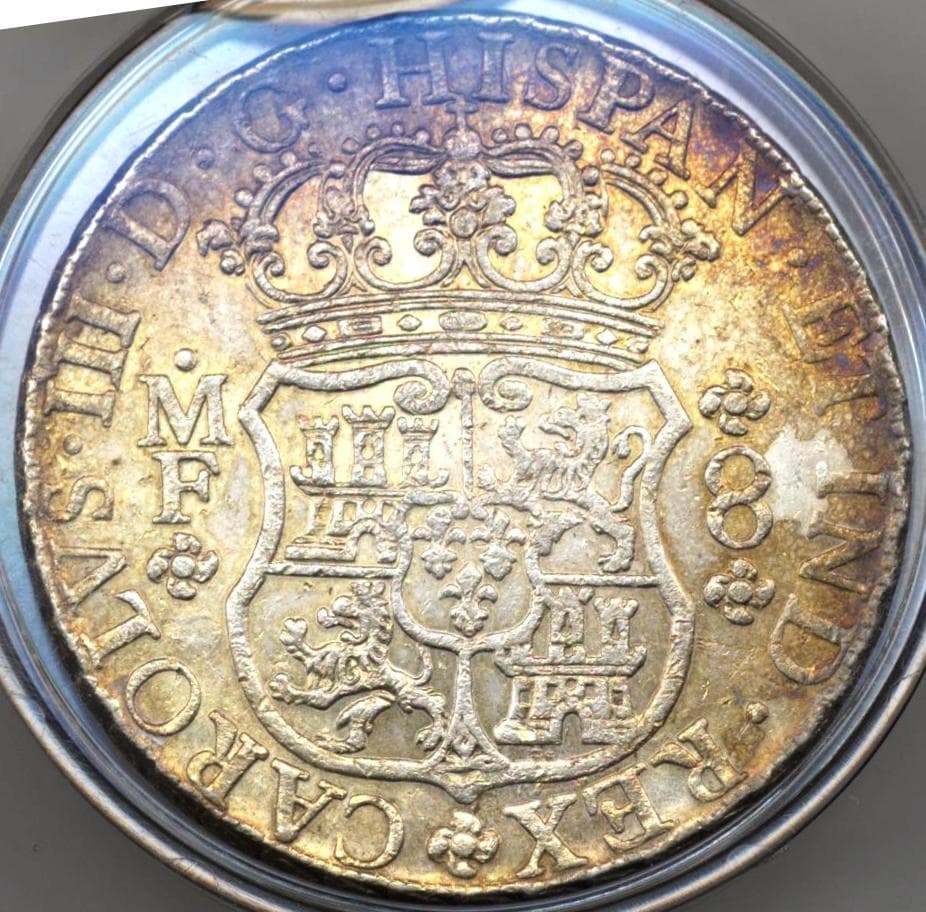
The piece of eight — the first truly global coin
The Spanish eight-real, struck from American silver, circulated on every continent and underpinned the dollar.
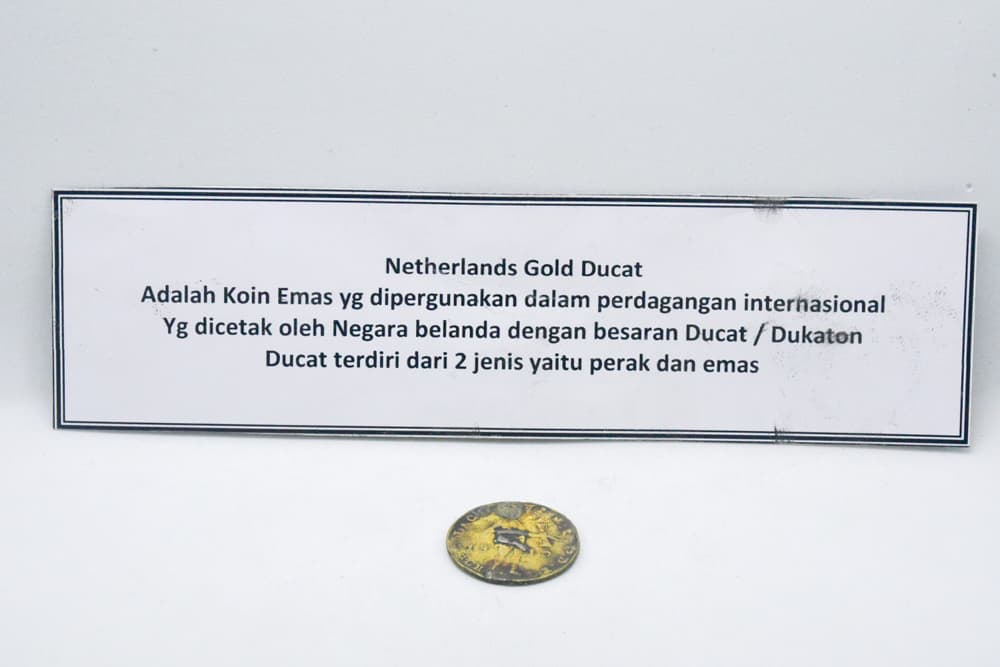
The Dutch ducat — the gold coin still being struck
Struck continuously since 1586, the Dutch gold ducat is one of the longest-lived coins in the world.
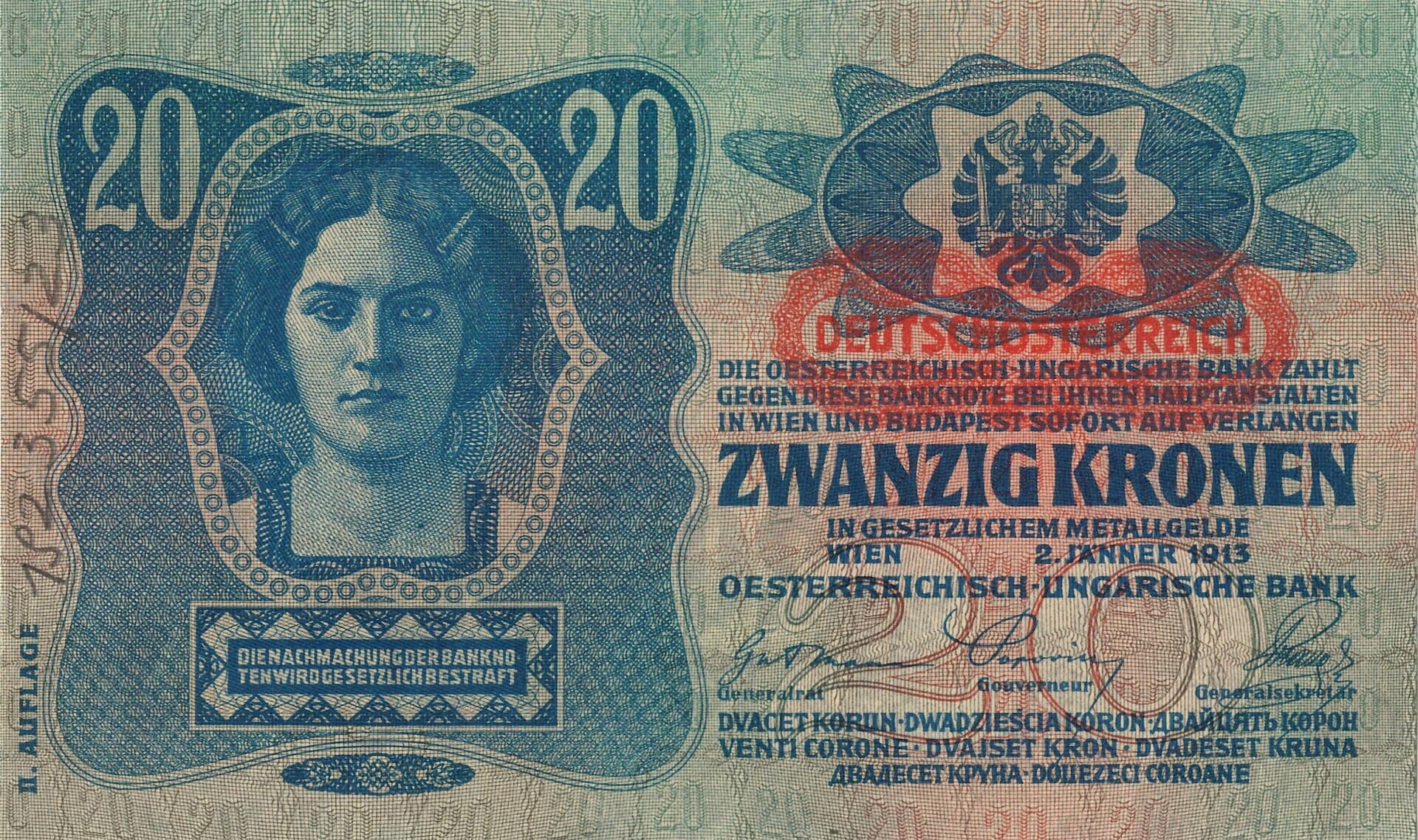
The Norwegian krone — money of an oil country
Norway turned oil into the largest sovereign fund in the world. The krone sits on a huge fortune.
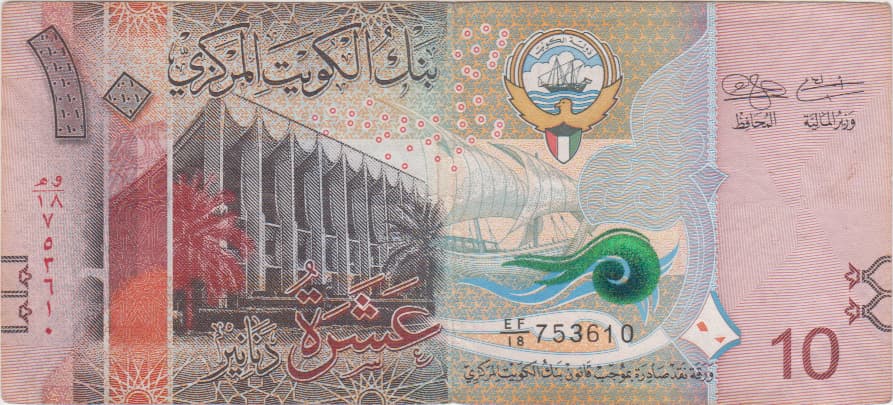
The Kuwaiti dinar — the world's most valuable currency
A single Kuwaiti dinar is worth more than any other national currency. Why.