The gold ducat — the euro of the Middle Ages
Minted in Venice for 500 years without changing its weight, the ducat was the coin trusted by merchants across Europe. A lesson in stability.
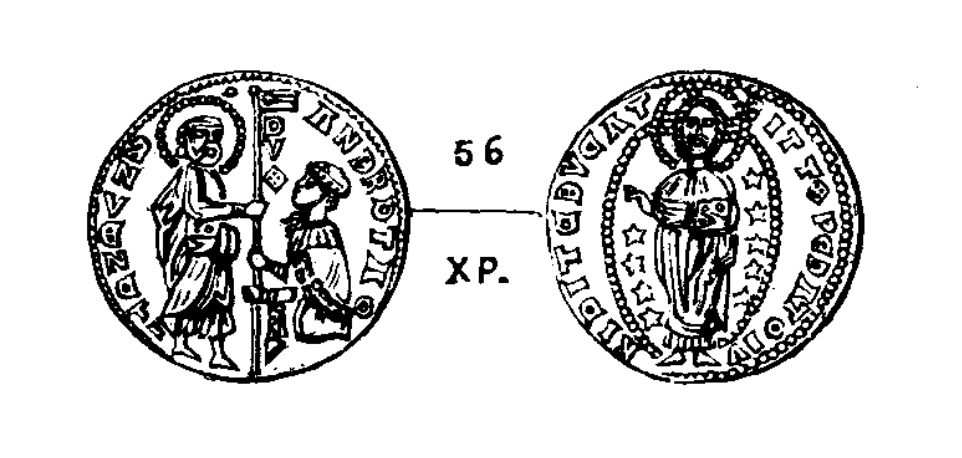
In 1284, the Republic of Venice began minting the gold ducat (later called the "zecchino"). It held about 3.5 grams of nearly pure gold. The extraordinary part? For over five centuries, Venice never changed its weight or purity.
Trust = trade
Because merchants knew exactly how much gold they were getting, the ducat became the currency of international trade from the Mediterranean to the East — a kind of euro of the Middle Ages. Stability was Venice's secret weapon: a coin you trust is stronger than an army.
The lesson for today
Ducats and florins circulated for centuries in the Romanian Principalities too. Their lesson is simple and current: a stable currency builds economies; an unstable one destroys them. It is exactly the kind of lesson you can experience, risk-free, in Kosron Bank.