The Romanian leu — why it's called a "lion"
Our currency is named after a Dutch thaler with a lion on it. A short history of the leu, from foreign coins to national money.
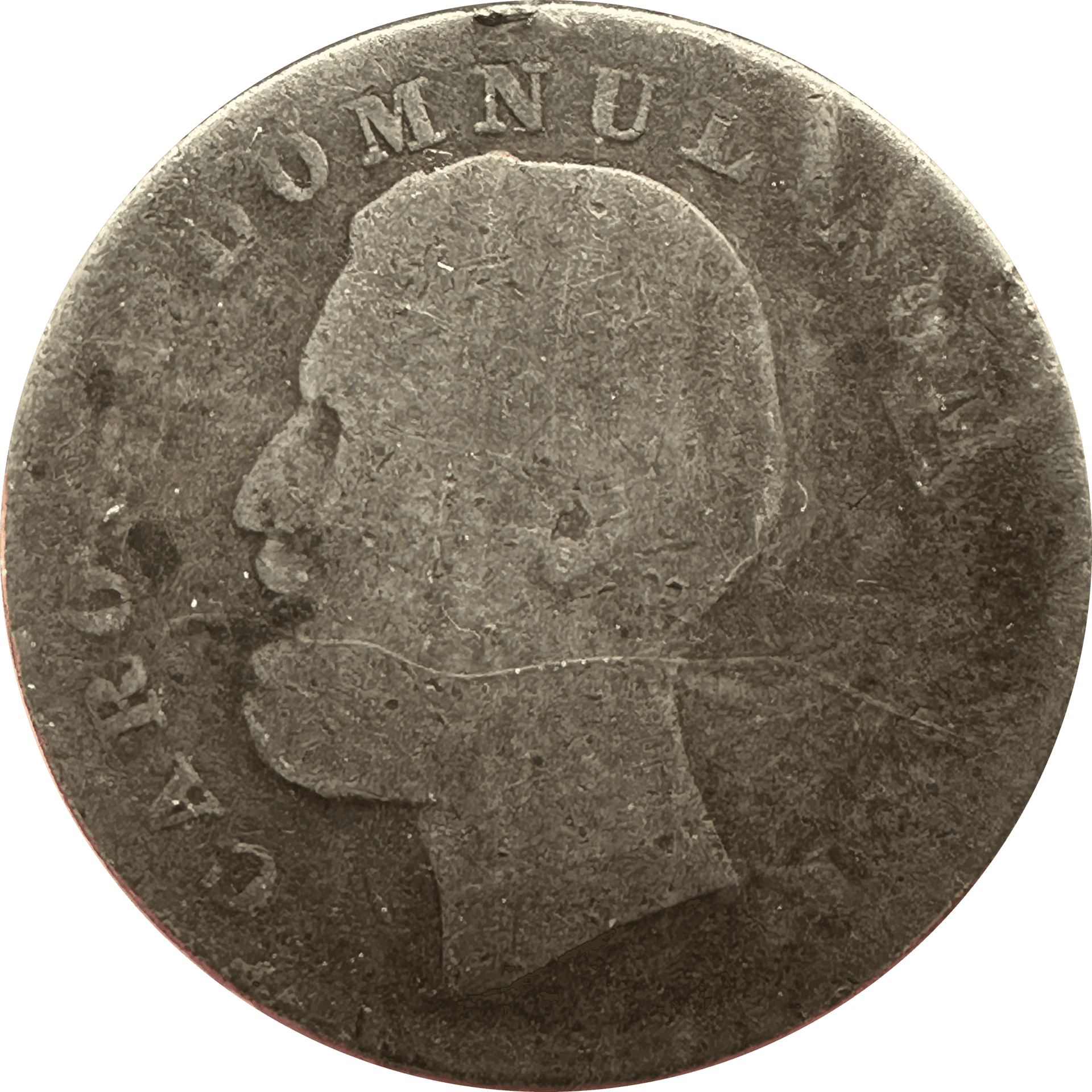
In the Romanian Principalities of the 17th–18th centuries, mostly foreign coins circulated. The most popular was a Dutch thaler stamped with a lion — the "leeuwendaalder", the lion thaler. People simply called it "leu" (lion), and the name stuck in the language as a unit of account.
The official leu
Only in 1867, after the union of the Principalities, did the leu become the official national currency, aligned with the European monetary system of the time (the Latin Monetary Union). Since then it has been through wars, inflation and a denomination in 2005 — but it kept its nearly four-century-old name.
KOSR and the leu
In the Kosron game, KOSR uses the same decimal logic as the leu (2 decimals), precisely so it feels familiar and easy to grasp for learners. But unlike the leu, KOSR stays strictly educational — no real value, no exchange into real money.