History·20 May 2026·4 min read
The Continental dollar — the money that won a war then died
To finance the American Revolution, the colonies printed "Continental dollars". They worked — until inflation turned them into a phrase for something worthless.
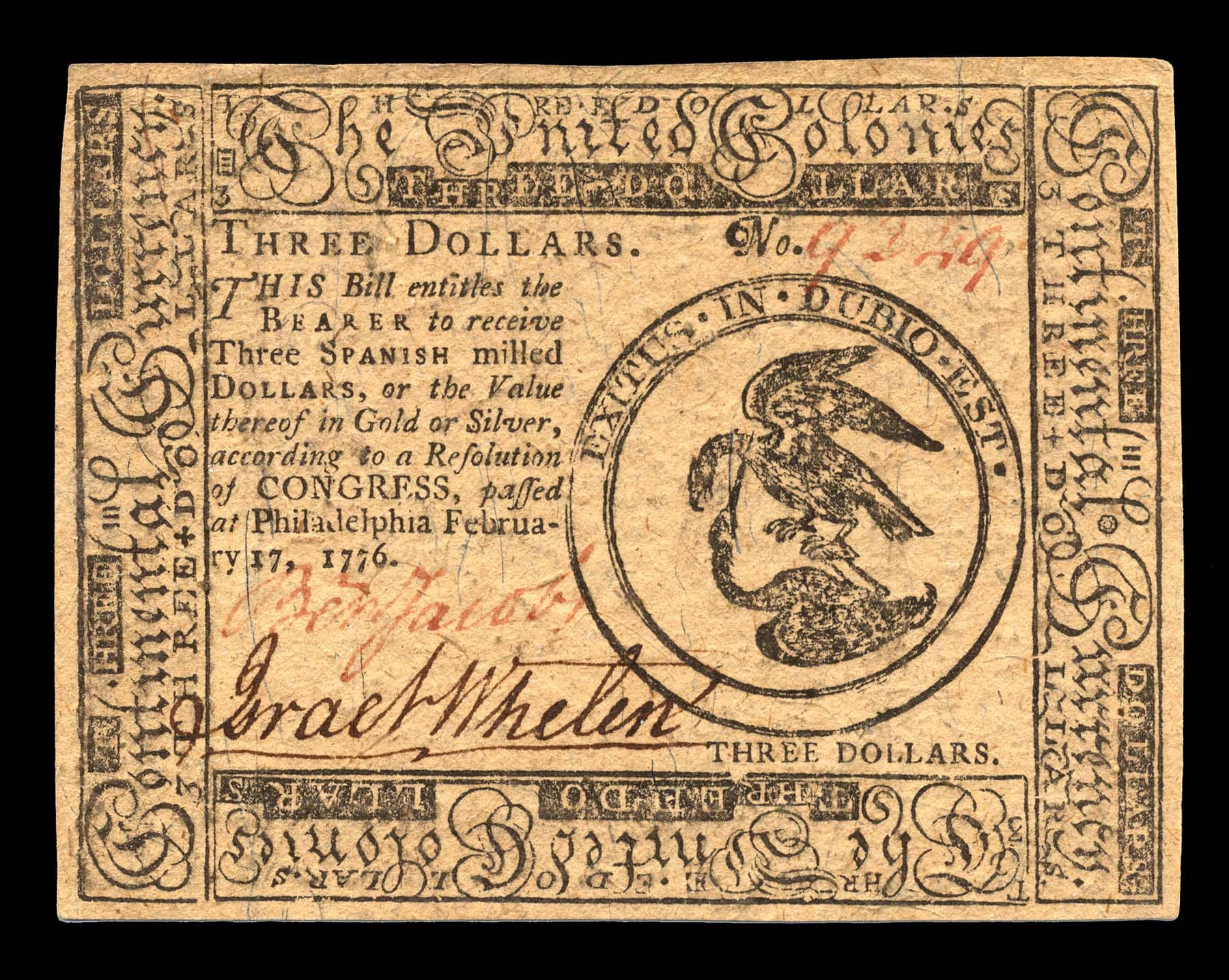
During the American Revolution (1775–1783), the colonies had no gold to pay their army. The solution: they printed paper money, the Continental dollars. At first they helped enormously — paying soldiers and supplies without which the revolution couldn't have lasted.
"Not worth a Continental"
But too many were printed, and they began losing value fast. By the end, they were barely worth anything. The English phrase "not worth a Continental" remained — meaning "worth nothing". Yet more proof that even money which saves a country collapses if printed without limit.
Money can win a war and lose an empire — it all depends on how much you print.