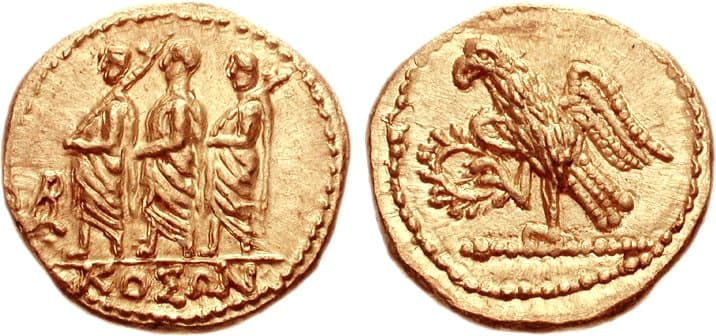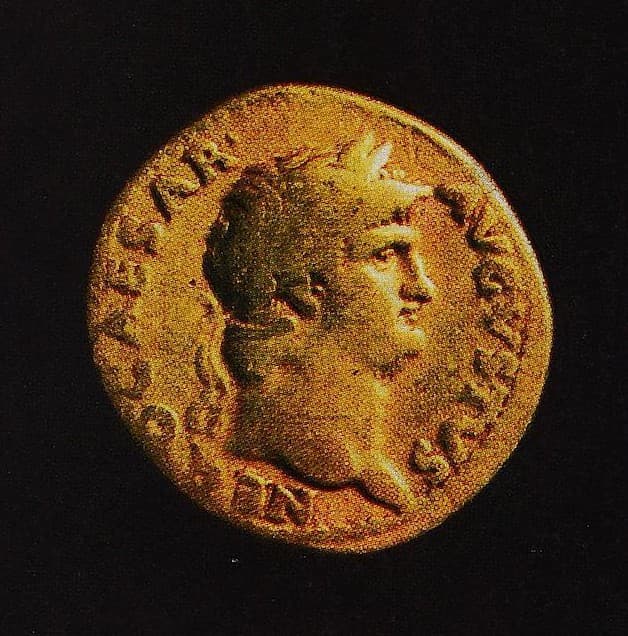
From gold to digital money — how money let go of metal
The gold standard, paper money, cards and, finally, numbers in an app. A short history of how money gradually became pure trust.
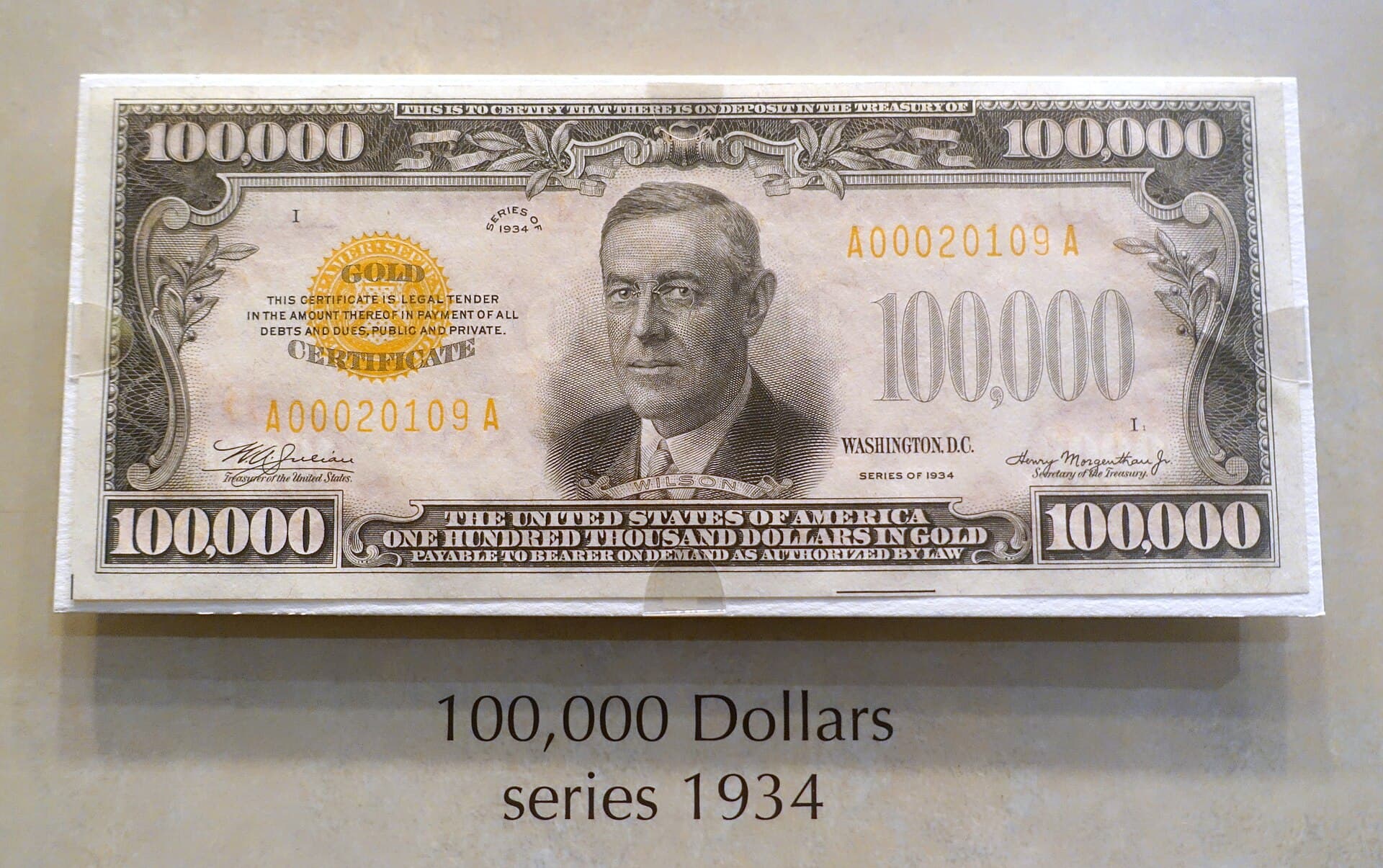
For hundreds of years, paper money was just a promise: a banknote could be exchanged at any time for a fixed amount of gold. This was called the gold standard. The paper was light, the gold sat in a vault, and trust held it all together.
The day gold left the equation
In 1971, the US permanently severed the link between the dollar and gold. Since then, the world's money is fiat — it has value because the state says so and because we all accept it. No banknote today is backed by gold. It is backed by trust.
Money you can no longer see
Then came cards, phone payments and banking apps. Today, most of the world's money does not exist physically — it is numbers in a database. Just like in Kosron Bank: KOSR is a purely digital, educational currency, through which you understand how modern money works without risking a single real penny.
Money's journey: from heavy gold in your palm, to a promise on paper, to a number on a screen. The constant has always been the same — trust.