From the cardboard card to paying with your phone
The first "credit card" was a piece of cardboard. In less than a century we got to paying with a watch. A short history of money disappearing from the pocket.
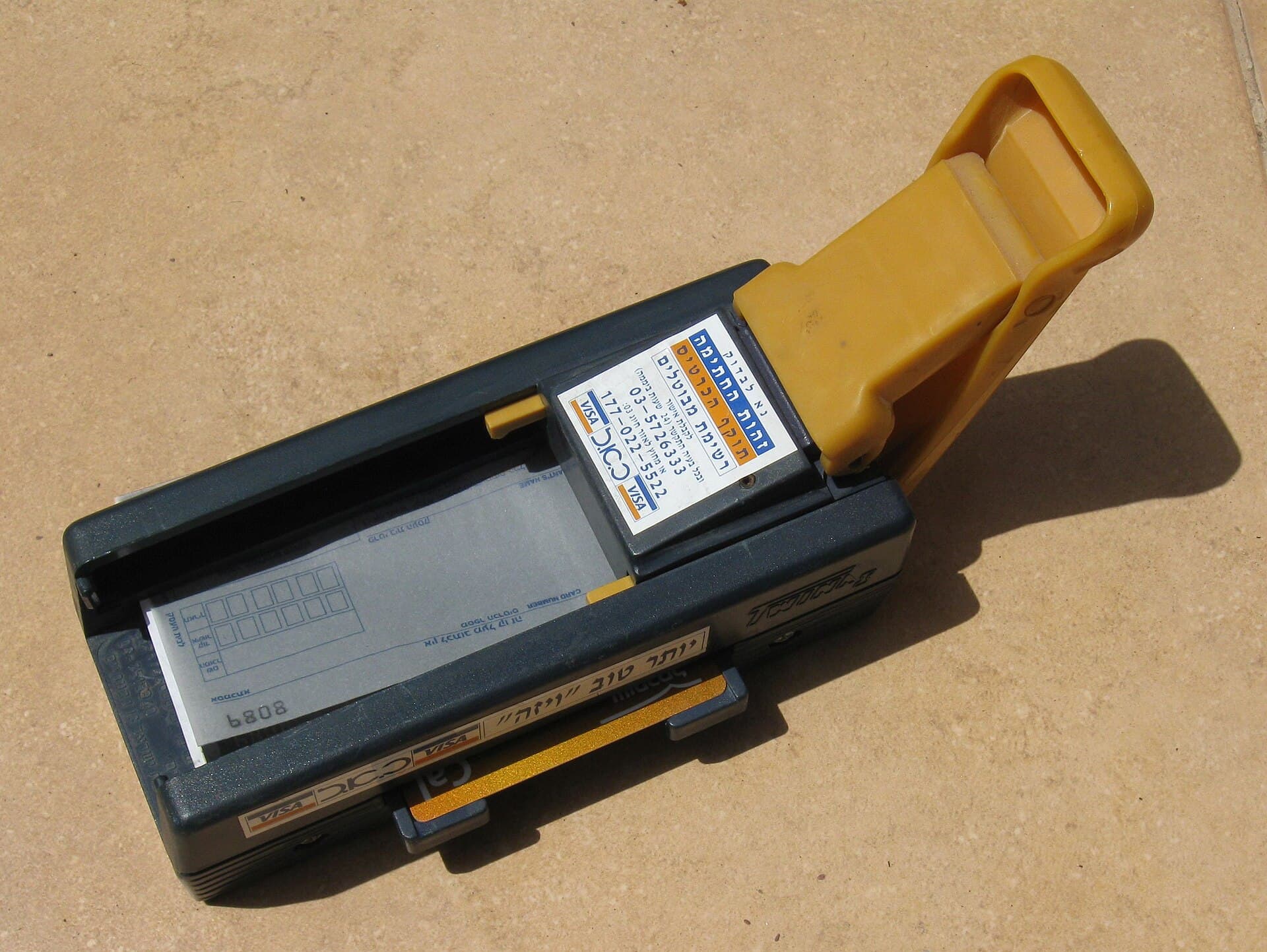
The first cards, in the 1920s–1950s, were pieces of cardboard or metal plates a store gave to trusted customers. Only in 1950 did Diners Club appear, the first card accepted at many places, and later Visa and Mastercard.
Money becomes invisible
Then came the magnetic stripe, the chip, contactless and paying with phone or watch. With each step, money became more invisible — more convenient, but also easier to spend without noticing. Studies show we spend more easily by card than with cash.
Why it matters for education
Precisely because modern money is invisible, it's even more important to understand what happens "behind the scenes". Kosron Bank has simulated cards, with PAN and CVV, exactly so you can practice how a payment works — and how easy it is to lose track of spending when everything is digital.
The easier money is to spend, the more important it is to know how much you're spending.